Affiliate disclosure: As an Amazon Associate we earn from qualifying purchases. CopyKitchen is reader-supported; cost and savings references are general and your local prices will vary.
Salisbury steak is the kind of no-fuss, deeply satisfying comfort food that has anchored dinner tables and diner menus across America for well over a century. At its core, it is seasoned ground beef shaped into oval patties and slow-simmered in a rich, savory mushroom and onion gravy — humble ingredients that somehow produce something that feels genuinely special.
Making it at home gives you everything the diner version promises and nothing it falls short on. You control the seasoning, the thickness of the patties, and the depth of the gravy. The whole thing comes together in a single skillet in under an hour, and it costs a fraction of what you would pay for the restaurant equivalent.
About Salisbury’s Steak
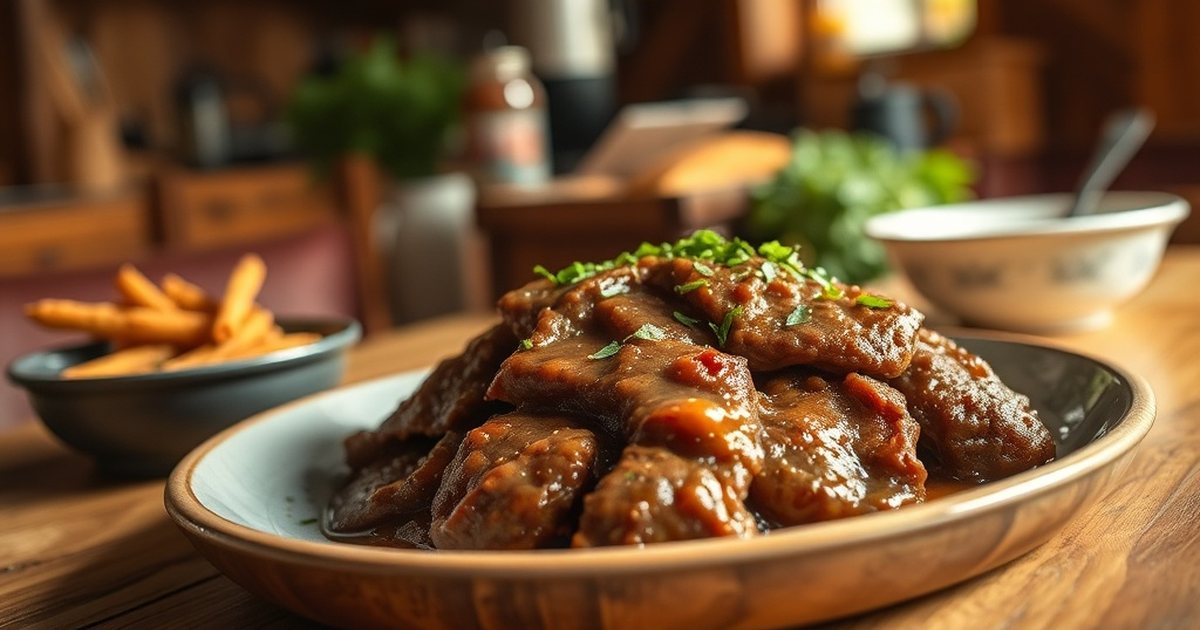
True Salisbury steak is defined by two things: the patty and the gravy. The patty uses a binder of egg, crushed crackers, and a splash of milk to keep the meat tender rather than dense. It is closer to a seasoned meatball than a hamburger, which is exactly why it holds up when braised in liquid instead of drying out.
The gravy is where the dish earns its reputation. A fond of browned beef drippings, caramelized onions, and mushrooms forms the base, thickened with a small amount of flour and stretched with beef broth and Worcestershire. It is not a cream sauce and it is not a thin pan drip — it is an old-school brown gravy with real body that clings to the meat and to whatever starch you put underneath it.
Steak: Restaurant vs. Homemade Cost
| At Salisbury | Homemade (4 servings) | You Save |
|---|---|---|
| $55.96 | $11.62 | $44.34 (79%) |
Salisbury price is the approximate cost of four comparable diner-style Salisbury Steak plates. Homemade cost is calculated from US average grocery prices (US BLS Average Price Data, May 2026).
Ingredient cost breakdown
| Ingredient | Amount | Cost |
|---|---|---|
| ground chuck (80/20) | 1.5 lb | $10.08 |
| large egg | 1 each | $0.18 |
| crushed saltine crackers | 0.25 cup | — |
| whole milk | 2 tbsp | $0.03 |
| medium yellow onion, thinly sliced | 1 each | $0.11 |
| cremini mushrooms, sliced | 8 oz | $0.99 |
| unsalted butter | 2 tbsp | $0.20 |
| all-purpose flour | 3 tbsp | $0.03 |
| Worcestershire sauce | 2 tbsp | — |
| low-sodium beef broth | 2 cup | — |
| garlic powder | 0.5 tsp | — |
| onion powder | 0.5 tsp | — |
| salt and black pepper to taste | 1 tsp | — |
| Total (makes 4 servings) | $11.62 | |
Pantry staples not counted: crushed saltine crackers, Worcestershire sauce, low-sodium beef broth, garlic powder, onion powder, salt and black pepper to taste (negligible cost).
Nutrition (estimated per serving)
Estimated from listed ingredients using USDA FoodData Central reference values. Actual values vary with brands, portions, and preparation.
How Much Does It Cost to Make Salisbury’s Steak at Home?
A full batch makes 4 servings for about $11.62 in ingredients — roughly $2.91 per serving. Ordering the equivalent at Salisbury runs around $55.96, so making it yourself saves about $44.34 (79%). Those numbers come from current US average grocery prices (US BLS Average Price Data, May 2026), not estimates — the per-ingredient breakdown is in the table above. The savings are this large because you’re buying staple ingredients in bulk instead of paying for a prepared, served dish, and a single batch stretches across many servings.
Why Make It at Home?
A restaurant Salisbury steak costs roughly $14 a plate, and most of what you are paying for is the convenience. At home, the same four servings run about $10 to $12 in ingredients, and the quality is noticeably better — fresh mushrooms instead of canned, a gravy built from real drippings, and patties sized and seasoned exactly to your taste. You also get the leftovers, which reheat beautifully and taste even better the next day once the gravy has had time to settle.
Ingredients for Copycat Salisbury Steak
Here’s the full ingredients list you’ll need to make Salisbury Steak at home:
- 1.5 lb ground chuck (80/20)
- 1 each large egg
- 0.25 cup crushed saltine crackers
- 2 tbsp whole milk
- 1 each medium yellow onion, thinly sliced
- 8 oz cremini mushrooms, sliced
- 2 tbsp unsalted butter
- 3 tbsp all-purpose flour
- 2 tbsp Worcestershire sauce
- 2 cup low-sodium beef broth
- 0.5 tsp garlic powder
- 0.5 tsp onion powder
- 1 tsp salt and black pepper to taste
A few ingredient notes:
- Use ground chuck at 80/20 rather than lean ground beef. The fat content keeps the patties from getting tough during the braising step and contributes real flavor to the base of the gravy.
- Crushed saltines work better than plain breadcrumbs as a binder here — they carry a mild salt and fat content that seasons the meat from the inside and keep the texture tender without adding bulk.
- Cremini mushrooms hold their texture better than white button mushrooms and have a deeper, earthier flavor that stands up to the beef. Either works, but cremini gives the gravy a more complex backbone.
🛒 Shop the Ingredients & Tools
As an Amazon Associate we earn from qualifying purchases.

How to Make Salisbury Steak at Home
Prep: 15 min · Cook: 30 min · Makes: 4 servings
- 1. In a large bowl, combine the ground chuck, egg, crushed crackers, milk, 1 tablespoon of the Worcestershire sauce, garlic powder, onion powder, 1/2 teaspoon salt, and 1/4 teaspoon black pepper. Mix gently with your hands just until combined — do not overwork the meat.
- 2. Divide the mixture into four equal portions and shape each into an oval patty about 3/4 inch thick. Press a slight indent into the center of each with your thumb to prevent puffing during cooking.
- 3. Heat a large skillet over medium-high heat. Add the patties and cook undisturbed for 3 to 4 minutes per side until a deep brown crust forms. Transfer the patties to a plate and set aside — they will finish cooking in the gravy.
- 4. Reduce heat to medium. Add the butter to the drippings remaining in the skillet. Once melted, add the sliced onion and cook, stirring occasionally, for 5 to 6 minutes until softened and beginning to turn golden.
- 5. Add the sliced mushrooms and cook for 3 to 4 minutes until they release their moisture and begin to brown. Sprinkle the flour over the vegetables and stir to coat, cooking for 1 minute to eliminate the raw flour taste.
- 6. Pour in the beef broth and the remaining 1 tablespoon Worcestershire sauce, scraping up any browned bits from the bottom of the pan. Stir until the gravy is smooth and beginning to thicken.
- 7. Return the patties to the skillet, nestling them into the gravy. Reduce heat to low, cover, and simmer for 12 to 15 minutes until the patties are cooked through to an internal temperature of 160°F and the gravy has reached a coating consistency.
- 8. Taste the gravy and adjust seasoning with salt and pepper as needed. Serve hot over mashed potatoes or egg noodles with the gravy spooned generously over the top.
Tips for the Best Results
- Do not skip the sear. The browned crust on the patties is what gives the gravy its color and depth — without it, you end up with pale, flat sauce.
- If the gravy gets too thick during simmering, add a splash of beef broth to loosen it. If it is too thin when the patties are done, remove the patties and simmer uncovered for a few minutes.
- Let the patties rest two minutes before serving — the gravy continues to set slightly and the meat juices redistribute.
- Form the patties ahead of time and refrigerate them raw for up to 24 hours. Chilled patties hold their shape better during the sear.
Common Mistakes to Avoid
- Overworking the meat mixture makes the patties dense and rubbery. Mix only until the ingredients are just combined, the same way you would treat a meatball.
- Moving the patties too soon during the sear prevents a proper crust from forming. Wait until the meat releases naturally from the pan before flipping — if it sticks, it needs more time.
- Adding the flour to mushrooms that have not fully cooked out their moisture causes clumping and a raw flour taste in the finished gravy. Make sure mushrooms are actually browned before adding flour.
- Skipping the lid during the braise leads to patties that are well-browned outside but dry and overcooked inside. Covering the pan traps steam and keeps the meat moist as it finishes cooking through.
Variations to Try
- French Onion Style: Skip the mushrooms and double the onions, caramelizing them low and slow until deeply golden. Finish with a splash of dry sherry and a tablespoon of Dijon stirred into the gravy before returning the patties.
- Smothered Tomato: Add a can of drained diced tomatoes and a tablespoon of tomato paste to the gravy along with the broth for a slightly richer, slightly acidic version that works especially well spooned over white rice.
- Turkey Salisbury: Substitute ground turkey for the beef. Add an extra tablespoon of butter to the pan when searing and use chicken broth in the gravy — the lighter protein needs a bit more fat support to stay moist.
Storage & Reheating
Leftovers keep well in an airtight container in the refrigerator for up to 4 days. Store the patties submerged in the gravy to prevent them from drying out. Reheat gently on the stovetop over low heat, adding a splash of beef broth if the gravy has thickened too much in the cold. The dish can also be frozen — store patties and gravy together in a sealed container for up to 3 months and thaw overnight in the refrigerator before reheating.
What to Serve It With
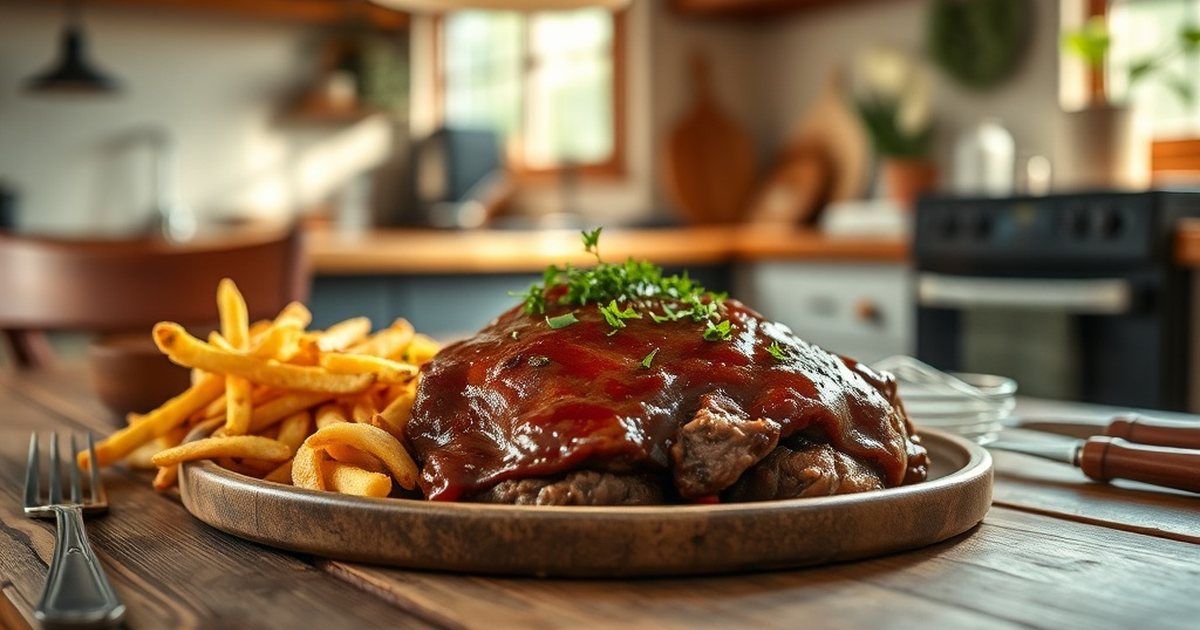
Salisbury steak is almost always served over a starch that can absorb the gravy. Mashed potatoes are the classic choice — buttery and creamy, they catch the gravy in every bite. Egg noodles are a close second and are especially good if you want the full old-school diner feel. Steamed green beans or roasted broccoli on the side rounds out the plate and cuts through the richness of the gravy.
The Bottom Line
Salisbury’s Steak is one of those dishes that feels like it should be hard to make and expensive to buy — but at home it’s neither. For about $11.62 in everyday ingredients you get 4 servings, fresh and warm, for roughly 79% less than ordering out. Make it once and it’ll join the short list of recipes you reach for without thinking. Bookmark this one, grab the ingredients, and keep an eye on CopyKitchen for more copycat favorites with the real cost to make them at home.

Frequently Asked Questions
What is Salisbury steak, exactly?
Salisbury steak is a seasoned ground beef patty — typically oval-shaped and bound with egg and breadcrumbs — served in a brown mushroom or onion gravy. It was named after Dr. James Salisbury, a 19th-century American physician who advocated eating ground beef at every meal. Despite the name, it has nothing to do with a whole-muscle steak cut from a cow.
Can I use regular ground beef instead of ground chuck?
You can, but leaner blends at 90/10 or leaner tend to produce drier, tougher patties because there is not enough fat to keep the meat moist during braising. Ground chuck at 80/20 is the sweet spot — enough fat for flavor and tenderness without the patties shrinking dramatically or leaving excess grease in the pan.
How do I know when the patties are cooked through?
The most reliable method is a meat thermometer — pull them when the center reads 160°F. If you do not have one, cut into the thickest patty at the 12-minute mark. The interior should be uniformly gray-brown with no pink remaining and the juices should run clear.
Can I make this ahead of time?
Yes, and it actually improves after sitting. You can cook the dish fully up to 2 days ahead, refrigerate it, and reheat gently on the stovetop. The gravy thickens as it cools, so add a bit of broth when reheating and stir as it warms. You can also form the raw patties up to 24 hours ahead and keep them covered in the refrigerator until you are ready to cook.
My gravy turned out lumpy. How do I fix it?
Lumps usually form when flour is added before the fat has coated the vegetables, or when hot liquid is added too fast. If you already have lumps, whisk the gravy vigorously over low heat after removing the patties — most lumps will break up. Passing the gravy through a fine mesh strainer also works cleanly. The best prevention is stirring the flour into the cooked onions and mushrooms for a full minute before adding any liquid.
What can I use instead of mushrooms?
If you dislike mushrooms, you can omit them entirely and add an extra half onion for body and texture. Some versions use diced celery or green bell pepper in their place. You can also substitute a tablespoon of tomato paste stirred in with the flour — it gives the gravy color and savory depth without any mushroom presence.
Cost figures use US BLS Average Price Data (US city average) and are estimates for comparison; your local grocery prices and Salisbury’s current menu price will vary. As an Amazon Associate we earn from qualifying purchases. CopyKitchen is not affiliated with, endorsed by, or sponsored by Salisbury or any brand mentioned; this is an independent, homemade copycat recipe, and all trademarks are the property of their respective owners.