Ever wonder why your favorite restaurant dish feels pricey when you order it, but looks affordable in a recipe blog? The difference isn’t just the chef’s skill; it’s the economics behind each plate. When you recreate a dish at home, you control the ingredients, the portions, and the hidden costs that restaurants build into their menus.
This article breaks down the three main ways copycat cooking saves you money—buying staples in bulk, eliminating service and markup, and stretching recipes over multiple servings. You’ll also get practical tips for maximizing those savings without compromising flavor.
Key Takeaways
- Buy long‑lasting staples in bulk and store them properly to lower per‑unit cost.
- Eliminate restaurant service markup by cooking the same ingredients yourself.
- Scale recipes to serve multiple meals; portion leftovers for future lunches.
- Swap premium ingredients with cheaper equivalents that still deliver the core flavor.
- Use versatile, affordable equipment instead of specialty gadgets.
- Plan meals around sales and seasonal produce to keep grocery costs down.
Bulk Staples: The Foundation of Savings
Restaurants purchase flour, sugar, oils, and spices in quantities far larger than any home pantry holds. Those bulk purchases come with lower per‑unit costs and more consistent quality. When you mimic that approach, you can buy the same items in larger bags or containers at warehouse clubs or online bulk retailers. The upfront expense is higher, but the cost per ounce drops dramatically, and the ingredients stay usable for months.
To make bulk buying work, choose staples that have a long shelf life and are versatile across cuisines. All‑purpose flour, granulated sugar, kosher salt, dried herbs, and neutral oils are good candidates. Store them in airtight containers away from light and moisture to keep them fresh. By having these items on hand, you’ll never need to buy a small, expensive packet just to finish a single recipe.
Skipping the Service Markup
Every restaurant menu includes a built‑in service markup. That markup covers not only the chef’s labor but also front‑of‑house staff, utilities, rent, and profit. When you cook at home, you eliminate most of those layers. Your only labor cost is the time you spend preparing the food, which is a fixed personal expense rather than a variable monetary one.
The real savings appear when you compare the ingredient cost of a copycat dish to the price you’d pay for the same dish at the restaurant. Because you’re only paying for the raw materials, the cost is often a fraction of the menu price. Even if you factor in the cost of gas or electricity for cooking, the total remains well below the restaurant charge.

Batch Cooking and Yield Multiplication
Restaurants design recipes to serve many guests from a single batch. They scale sauces, doughs, and marinades so that the labor per serving is minimal. When you follow a restaurant‑style recipe, you inherit that batch mindset. A single pot of sauce can coat two pounds of pasta, a sheet of dough can become twelve cookies, and a marinaded chicken can feed a family and still leave leftovers for lunches.
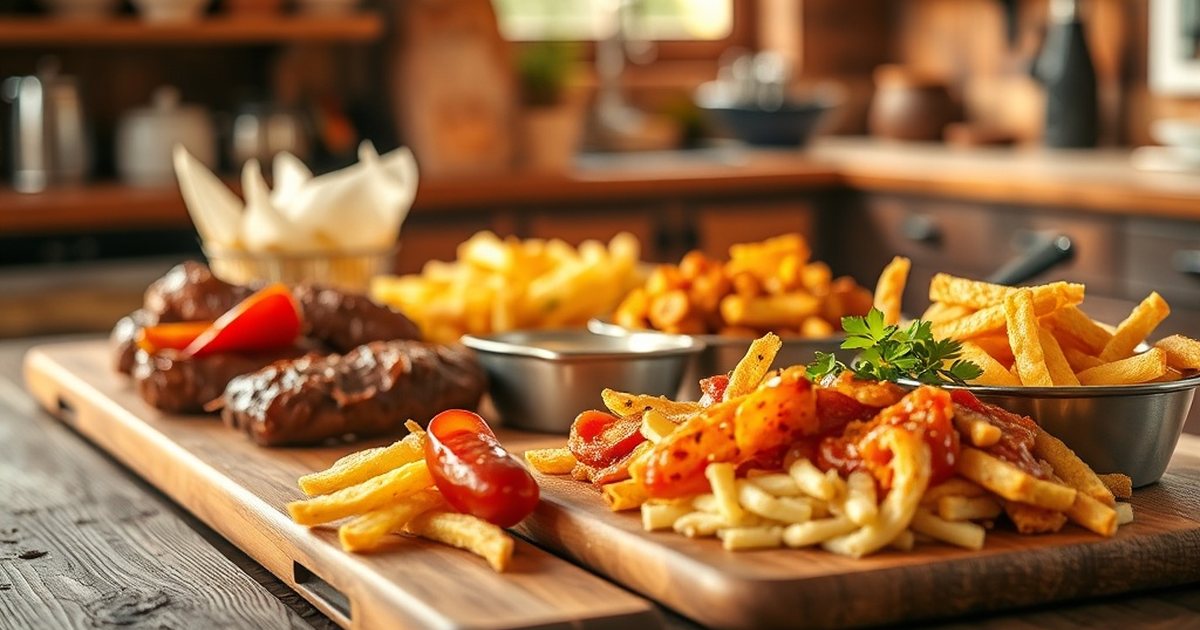
Plan your copycat meals around dishes that naturally lend themselves to scaling. Soups, stews, grain bowls, and baked goods are especially forgiving. After cooking, portion the leftovers into freezer‑safe containers. Not only does this reduce food waste, it also spreads the ingredient cost over several meals, further driving down the per‑serving expense.
Ingredient Substitutions That Keep Flavor Intact
A savvy copycat cook knows where a restaurant is using a premium ingredient for a sensory effect and where a cheaper alternative will work just as well. For example, many Asian‑inspired sauces rely on soy sauce for salt and umami; you can replace a specialty brand with a standard low‑sodium soy without losing the core flavor. Similarly, a splash of heavy cream in a sauce can often be swapped for half‑and‑half or a blend of milk and butter, cutting cost while maintaining richness.
When making these swaps, taste as you go. Adjust seasonings gradually and keep a note of what works. Over time you’ll build a personal library of cost‑effective ingredients that still deliver the restaurant feel you’re after.

Equipment Choices That Reduce Waste
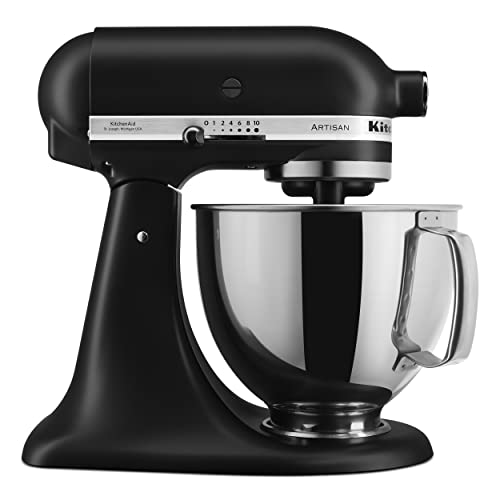
Professional kitchens are equipped with high‑capacity ovens, sous‑vide circulators, and commercial mixers that enable precise, large‑scale production. At home you don’t need that level of equipment to achieve similar results. A good quality Dutch oven, a sturdy sheet pan, and a reliable food processor can handle most copycat recipes.
Invest in a few multipurpose tools rather than buying specialty gadgets for each dish. A heavy‑bottomed pot can double as a braising vessel and a deep‑fry pan, while a cast‑iron skillet can sear, bake, and finish a steak. By consolidating your toolset, you avoid the hidden cost of buying and storing rarely used equipment.
Timing Your Shopping for Maximum Value
Seasonal produce, sales cycles, and loyalty programs all affect the price you pay for ingredients. Align your copycat menu with what’s on sale or abundant. If a grocery store is discounting tomatoes, plan a copycat marinara or a fresh salsa that night. When chicken thighs hit a promotion, use them in a copycat chicken‑and‑waffle dish instead of pricier breast meat.
Create a flexible weekly plan that lets you swap proteins or vegetables based on the best deals. This approach keeps your meals varied, your pantry stocked with fresh items, and your overall grocery bill lower than a rigid menu would allow.
Keeping Taste Consistent Without the Restaurant’s Secrets
Restaurants often rely on proprietary spice blends or pre‑made sauces that are hard to replicate exactly. The key to a convincing copycat is to focus on the flavor pillars: acidity, sweetness, salt, bitterness, and umami. Balance these elements in your home version, and you’ll capture the essence of the dish even if the exact ingredient list differs.
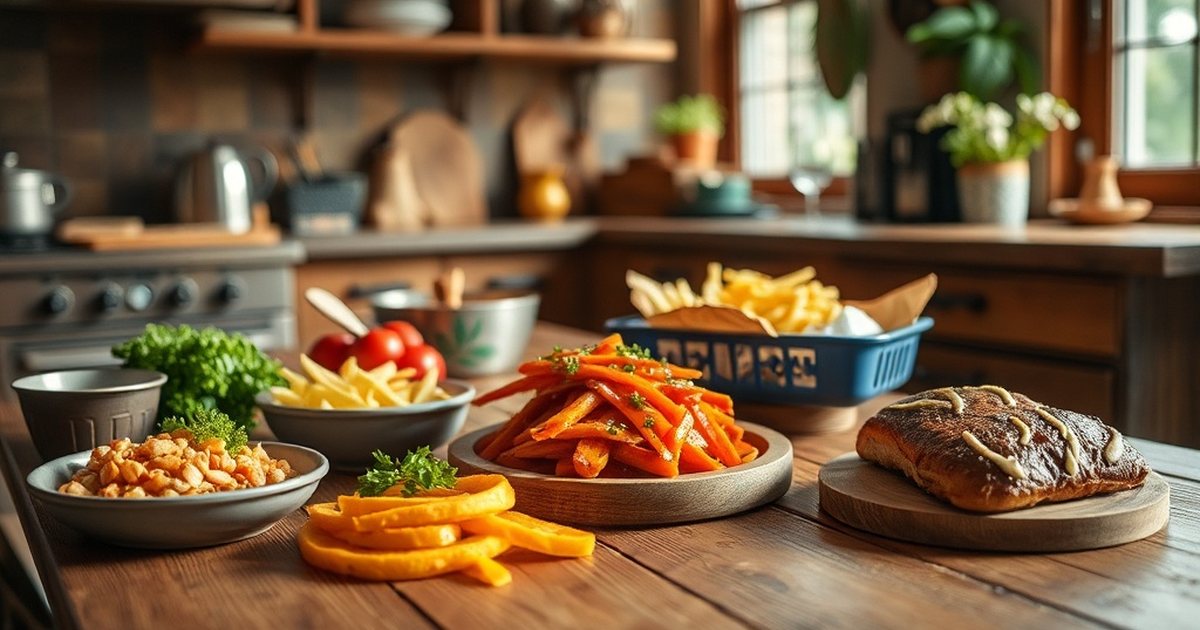
Use tasting as a final step, not just at the beginning. Add a squeeze of lemon, a dash of hot sauce, or a pinch of sugar to finish a sauce. A small adjustment can bridge the gap between a good approximation and a dish that truly feels like the restaurant version.
See the numbers: browse our full cost comparison table to see exactly how much each copycat recipe costs to make at home versus the restaurant price.
Frequently Asked Questions
Do I need to buy a lot of expensive equipment to make copycat recipes?
No. Most restaurant‑style dishes can be made with a few quality basics like a Dutch oven, a sheet pan, and a good knife. Multipurpose tools keep costs low.
How much can I actually save by cooking at home?
While the exact amount varies, cooking the same dish at home typically costs a fraction of the menu price because you only pay for raw ingredients and not for service or overhead.
Is bulk buying really worth it for a single household?
For staples that you use regularly—flour, sugar, oil, herbs—bulk buying reduces the cost per ounce and prevents frequent small purchases, which adds up over time.
What if I don’t have time to batch‑cook?
You can still save by making slightly larger batches than you need for one meal and refrigerating or freezing the extras. Many dishes reheat well and taste even better after a night’s rest.
Can I substitute ingredients without ruining the flavor?
Yes, as long as you understand the role each ingredient plays. Swapping a premium soy sauce for a standard one, or using half‑and‑half instead of heavy cream, often works if you adjust seasoning gradually.
How do I keep my copycat dishes tasting authentic?
Focus on balancing the five basic taste components—acid, sweet, salty, bitter, umami. Taste throughout the cooking process and finish with small tweaks like a splash of citrus or a pinch of sugar to match the restaurant profile.
CopyKitchen is reader-supported. As an Amazon Associate we earn from qualifying purchases. Cost and savings references are general; your local prices will vary.