If you’ve ever left a restaurant feeling that the food was somehow richer, more satisfying, or just plain more flavorful than what you make at home, you’re not imagining it. Professional kitchens use a combination of ingredients, equipment, and techniques that amplify taste in ways most home cooks don’t normally encounter.
The good news is that none of these tricks are magic. With a few adjustments to seasoning, heat, and finishing steps, you can reproduce much of that restaurant quality without needing a commercial kitchen or a huge budget.
Key Takeaways
- Season in layers—add a bit of salt, fat, and sugar at each cooking stage.
- Use high heat and a heavy pan to maximize browning and flavor.
- Choose equipment that holds heat well; a cast‑iron skillet or convection oven goes a long way.
- Add umami boosters like stock, miso, or a pinch of MSG to deepen savory notes.
- Finish dishes with acid, fresh herbs, and a crunchy element for brightness and texture.
- Pay attention to plating and serve immediately for the best sensory impact.
The Power of Fat, Salt, and Sugar
Restaurants aren’t shy about using more fat, salt, and sugar than home cooks typically do. Fat carries flavor, creates a silky mouthfeel, and helps brown foods. A modest increase in butter, oil, or rendered animal fat can make sauces richer and vegetables more satisfying. Salt does more than just make food salty; it enhances aroma compounds and balances bitterness. Professional kitchens often season in layers—adding a pinch during sauté, another after deglazing, and a final adjustment before plating. Sugar, even in savory dishes, can round out acidity and deepen caramelization.
At home, start by tasting as you go and adding a little extra of each element. Use a high‑quality finishing butter or a drizzle of flavored oil right before serving. A pinch of flaky sea salt on top of roasted vegetables or a splash of honey in a tomato sauce can make a noticeable difference without dramatically changing the recipe’s health profile.
High Heat and the Maillard Reaction
Professional kitchens rely on burners that can reach 600°F or more, and ovens that maintain steady, high temperatures. That intense heat drives the Maillard reaction—those complex browning reactions that produce nutty, roasted, and meaty flavors. When you sear a steak, roast a chicken, or caramelize onions at a lower temperature, you miss out on that depth.
Home cooks can compensate by preheating pans longer, using a cast‑iron skillet, and avoiding crowding the pan. For ovens, use the broil setting for a quick, high‑heat finish, or preheat a pizza stone for at least 45 minutes before baking. A small amount of oil in the pan also helps conduct heat and encourages browning.

Commercial‑Grade Equipment and Its Home Counterparts
Commercial ranges, convection ovens, and steamers are designed for consistency and speed. While you can’t install a six‑burner stove in a one‑bedroom apartment, you can mimic many of their advantages. A convection oven circulates hot air, giving a more even roast and better browning. If your home oven has a convection setting, use it for large cuts of meat and baked goods. A sous‑vide water bath is another tool that restaurants use for perfectly cooked proteins; an immersion circulator is affordable enough for home use and can give you that precise doneness without over‑cooking.
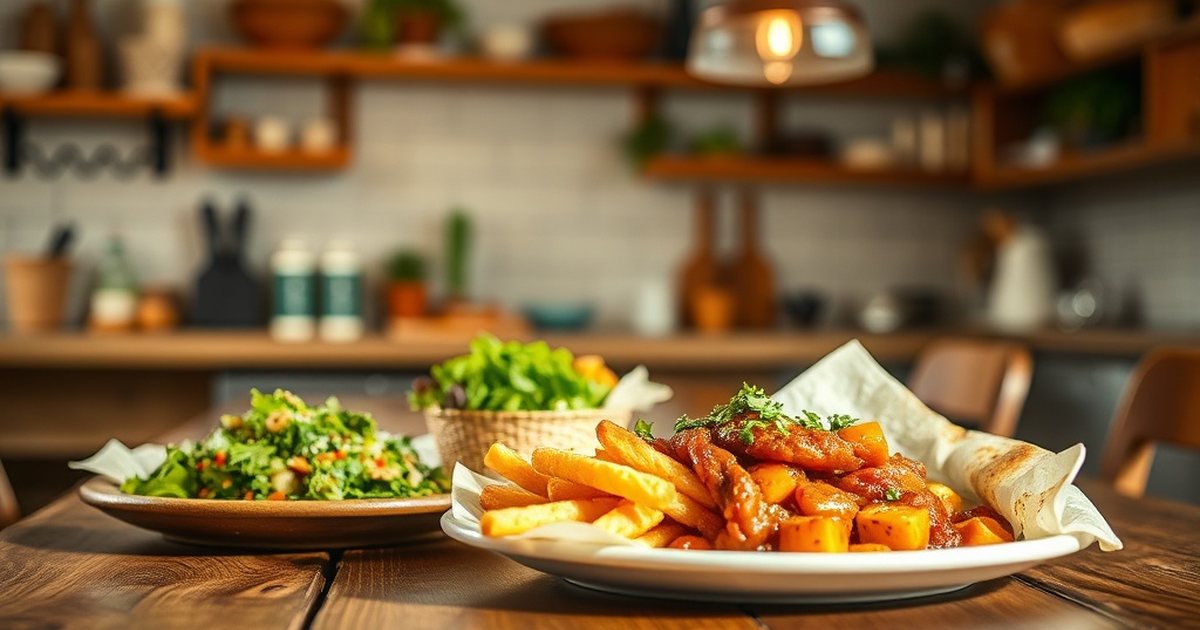
Even simple tools like a heavy‑bottomed sauté pan, a stainless steel skillet, or a quality baking sheet can make a big difference. The key is to choose equipment that holds heat well and distributes it evenly, then treat it with the same respect a professional chef would.
Umami Boosters: MSG, Stock, and Fermented Ingredients
Umami is the savory backbone that makes dishes feel complete. Restaurants often add MSG, concentrated stocks, soy sauce, miso, or fermented pastes to amplify that flavor. These ingredients contain glutamates that trigger the same receptors in our brain that respond to meat, cheese, and ripe tomatoes.
At home, you don’t need to stock a pantry full of obscure additives. A good homemade stock—made from bones, vegetables, and aromatics—provides a natural umami base. A spoonful of miso paste, a dash of soy sauce, or a sprinkle of powdered MSG (used sparingly) can lift a sauce or stir‑fry instantly. Finish soups with a splash of fish sauce or a dab of tomato paste for that same depth.
Finishing Techniques: Acid, Fresh Herbs, and Texture
Professional chefs know that a dish is rarely finished until the last minute. A squeeze of lemon, a drizzle of high‑quality vinegar, or a handful of fresh herbs can brighten flavors that may have dulled during cooking. Likewise, adding a crunchy element—like toasted nuts, fried shallots, or a quick sauté of garlic—creates contrast that makes the overall experience more interesting.
In your kitchen, keep a bowl of fresh herbs (parsley, cilantro, basil) ready to sprinkle over soups, pastas, and grain bowls. A small bottle of good olive oil or flavored oil can be drizzled just before serving. For acidity, keep a few pantry staples—balsamic, sherry, or citrus—within reach so you can adjust the balance at the end.
Portion Control, Presentation, and the Psychology of Taste
Restaurants serve food in portions that are deliberately sized to deliver a satisfying bite without overwhelming the palate. They also plate dishes with visual appeal, which tricks the brain into perceiving the food as higher quality. While you don’t need to replicate a fine‑dining plate, paying attention to portion size and simple plating tricks can improve the eating experience.
Use a clean white plate, arrange components with a bit of negative space, and garnish with a single herb leaf or a dusting of spice. Serving food hot, right after it’s finished, preserves the texture and aroma that make restaurant meals so compelling.
See the numbers: browse our full cost comparison table to see exactly how much each copycat recipe costs to make at home versus the restaurant price.
Frequently Asked Questions
Why does restaurant food seem saltier without tasting more salty?
Chefs season throughout the cooking process, not just at the end, so the salt is distributed more evenly and enhances other flavors rather than just adding a salty punch.
Is MSG safe to use at home?
Yes, MSG is recognized as safe by food authorities. Used in small amounts it simply boosts umami without making food taste overtly salty.
Can I get that restaurant‑level sear without a professional stove?
A well‑heated cast‑iron skillet, a little oil, and avoiding overcrowding the pan will give you a strong sear. Let the pan get hot before adding the protein.
Do I need a convection oven to replicate restaurant roasting?
A convection setting helps but isn’t mandatory. If you don’t have it, use a regular oven and rotate the pan halfway through cooking to promote even browning.
How much extra fat is too much?
The goal is flavor, not excess calories. Adding a tablespoon of butter or oil to a sauce or finishing a steak with a pat of butter is typical in restaurants and usually works well at home.
What cheap pantry items can add umami?
Soy sauce, miso paste, tomato paste, and dried mushroom powder are inexpensive and provide a strong umami boost when used in sauces or soups.
CopyKitchen is reader-supported. As an Amazon Associate we earn from qualifying purchases. Cost and savings references are general; your local prices will vary.