Affiliate disclosure: As an Amazon Associate we earn from qualifying purchases. CopyKitchen is reader-supported; cost and savings references are general and your local prices will vary.
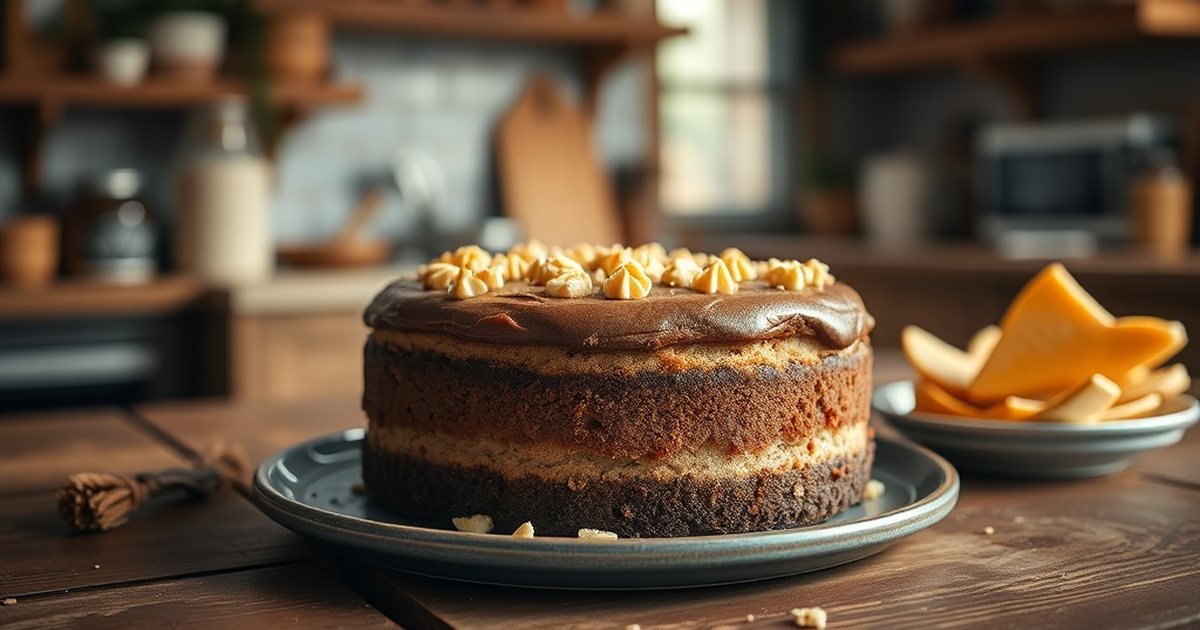
If you’ve ever dined at The Cheesecake Factory, you know the brown bread arrives before anything else — and it might be the most anticipated part of the whole meal. Soft, slightly sweet, and unmistakably dark, those little loaves wrapped in foil have developed a cult following all their own. The secret lies in a combination of molasses, cocoa powder, espresso, and honey that gives the bread its deep mahogany color and complex, subtly sweet flavor without tasting like dessert.
The good news is that this iconic bread is absolutely achievable at home, and once you nail the recipe, you’ll never want store-bought sandwich bread again. This copycat version captures the tender crumb, the perfectly chewy crust, and that signature dark color with pantry-friendly ingredients. Better yet, you can bake a full batch of eight mini loaves for a fraction of what it would cost to keep ordering them at the restaurant.
About Cheesecake Factory’s Brown Bread
What sets Cheesecake Factory brown bread apart from a standard wheat loaf is its layered depth of flavor. The darkness comes not from food coloring but from a trio of natural darkening agents: unsweetened cocoa powder, dark molasses, and a touch of instant espresso powder. None of these flavors dominate individually — instead, they meld together to produce a rich, earthy backdrop for the natural sweetness of honey and brown sugar. The result is a bread that tastes neither chocolatey nor bitter, just warmly complex and perfectly balanced.
Technique matters here almost as much as ingredients. The bread is a yeast-leavened dough that benefits from a proper double rise, which develops flavor and gives the crumb its signature softness. Shaping into small individual loaves — rather than one large loaf — is key to replicating the restaurant experience and ensures each piece has the right crust-to-crumb ratio. A final sprinkle of rolled oats before baking adds a rustic, bakery-style finish that also signals whole-grain wholesomeness before the first bite.
Brown Bread: Restaurant vs. Homemade Cost
| At Cheesecake Factory | Homemade (8 mini loaves) | You Save |
|---|---|---|
| $10.99 | $2.07 | $8.92 (81%) |
Cheesecake Factory price is the approximate cost of a comparable bread basket order for a table. Homemade cost is calculated from
US average grocery prices (US BLS Average Price Data, May 2026).
Ingredient cost breakdown
| Ingredient | Amount | Cost |
|---|---|---|
| bread flour | 2.5 cup | $0.38 |
| whole wheat flour | 1 cup | $0.15 |
| rye flour | 0.5 cup | $0.08 |
| dark brown sugar | 3 tbsp | $0.09 |
| unsalted butter, softened | 2 tbsp | $0.20 |
| warm whole milk (110°F) | 1 cup | $0.26 |
| active dry yeast (1 packet) | 2.25 tsp | — |
| unsweetened cocoa powder | 2 tbsp | — |
| dark molasses | 2 tbsp | — |
| honey | 1 tbsp | — |
| instant espresso powder | 1 tsp | $0.04 |
| kosher salt | 1.5 tsp | — |
| vegetable oil | 2 tbsp | $0.08 |
| salted butter, for serving | 1 stick | $0.80 |
| old-fashioned rolled oats, for topping | 2 tbsp | — |
| Total (makes 8 mini loaves) | $2.07 | |
Pantry staples not counted: active dry yeast (1 packet), unsweetened cocoa powder, dark molasses, honey, kosher salt, old-fashioned rolled oats, for topping (negligible cost).
Nutrition (estimated per serving)
Estimated from listed ingredients using USDA FoodData Central reference values. Actual values vary with brands, portions, and preparation.
How Much Does It Cost to Make Cheesecake Factory’s Brown Bread at Home?
A full batch makes 8 mini loaves for about $2.07 in ingredients — roughly $0.26 per serving. Ordering the equivalent at Cheesecake Factory runs around $10.99, so making it yourself saves about $8.92 (81%). Those numbers come from current US average grocery prices (US BLS Average Price Data, May 2026), not estimates — the per-ingredient breakdown is in the table above. The savings are this large because you’re buying staple ingredients in bulk instead of paying for a prepared, served dish, and a single batch stretches across many servings.
Why Make It at Home?
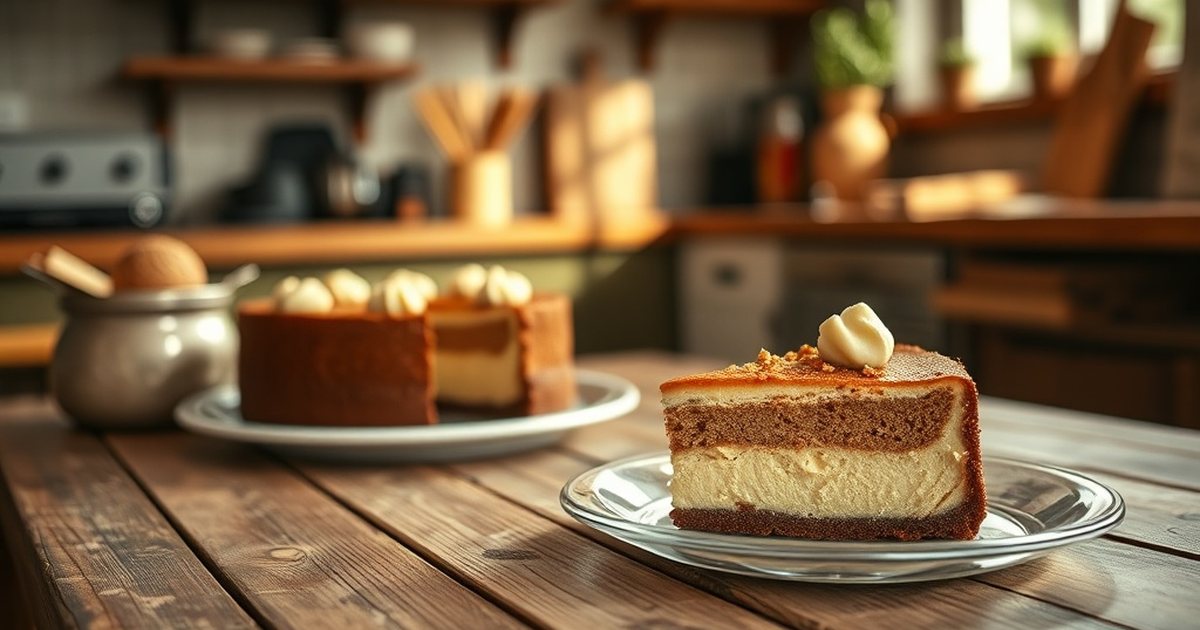
Making Cheesecake Factory brown bread at home costs roughly $3–4 for a full batch of eight mini loaves, compared to what can amount to $10–12 worth of bread at the restaurant when factoring in the dining experience. Beyond the cost savings, baking at home means you control the quality of every ingredient — you can use higher-quality whole wheat flour, real dark molasses, and good butter for serving. You also get the unbeatable experience of pulling warm, fragrant loaves straight from your own oven, something no restaurant table can replicate.
Ingredients for Copycat Cheesecake Factory Brown Bread
Here’s the full ingredients list you’ll need to make Cheesecake Factory Brown Bread at home:
- 2.5 cup bread flour
- 1 cup whole wheat flour
- 0.5 cup rye flour
- 3 tbsp dark brown sugar
- 2 tbsp unsalted butter, softened
- 1 cup warm whole milk (110°F)
- 2.25 tsp active dry yeast (1 packet)
- 2 tbsp unsweetened cocoa powder
- 2 tbsp dark molasses
- 1 tbsp honey
- 1 tsp instant espresso powder
- 1.5 tsp kosher salt
- 2 tbsp vegetable oil
- 1 stick salted butter, for serving
- 2 tbsp old-fashioned rolled oats, for topping
A few ingredient notes:
- Use dark molasses, not blackstrap — blackstrap is too bitter and will overpower the bread. Grandma’s Original or Brer Rabbit Full Flavor are both ideal choices that match the flavor profile of the restaurant version.
- Rye flour is a key ingredient that contributes to the bread’s distinctive dense-yet-soft texture and slightly earthy flavor. If you can’t find it, substitute with an equal amount of additional whole wheat flour, though the flavor will be slightly less complex.
- Instant espresso powder (not brewed coffee) is preferred because it dissolves completely into the dough without adding extra liquid. It deepens the cocoa note and adds a subtle roasted quality — you won’t taste coffee in the finished bread, but you’d notice something missing without it.
🛒 Shop the Ingredients & Tools
- King Arthur all purpose flour
- King Arthur all purpose flour
- King Arthur all purpose flour
- Stainless steel mixing bowls
- Half sheet baking pan
As an Amazon Associate we earn from qualifying purchases.

How to Make Cheesecake Factory Brown Bread at Home
Prep: 20 min · Cook: 25 min · Makes: 8 mini loaves
- 1. Activate the yeast: Combine warm milk (around 110°F) with honey in the bowl of a stand mixer. Sprinkle the yeast over the top and let sit for 5–8 minutes until foamy and fragrant. If the mixture doesn’t foam, your yeast may be expired — start over with a fresh packet.
- 2. Mix the wet ingredients: Add the molasses, brown sugar, vegetable oil, softened butter, cocoa powder, and espresso powder to the yeast mixture. Mix briefly with a fork or the paddle attachment to combine everything into a dark, aromatic liquid.
- 3. Add the flours and salt: Switch to the dough hook. Add the whole wheat flour and rye flour and mix on low until incorporated. Add the salt, then begin adding the bread flour one cup at a time, mixing on medium-low, until a soft, slightly sticky dough forms. The dough should pull away from the sides of the bowl but remain tender — avoid adding too much flour.
- 4. Knead the dough: Knead with the dough hook on medium speed for 7–8 minutes until the dough is smooth, elastic, and slightly tacky. Alternatively, turn out onto a lightly floured surface and knead by hand for 10 minutes. The dough should pass the windowpane test — stretch a small piece; it should stretch thin without tearing.
- 5. First rise: Form the dough into a ball and place in a lightly oiled bowl, turning to coat. Cover with plastic wrap or a damp towel and let rise in a warm, draft-free spot for 1 to 1.5 hours, or until doubled in size.
- 6. Shape the loaves: Punch down the dough and turn it out onto a lightly floured surface. Divide into 8 equal portions (about 120g each if using a kitchen scale). Shape each portion into a smooth oval log about 5 inches long, pinching the seam underneath. Place on two parchment-lined baking sheets, spaced 2 inches apart.
- 7. Second rise and top: Cover loosely with plastic wrap and let rise for 45–60 minutes until puffy and nearly doubled. Preheat your oven to 350°F during the last 20 minutes of this rise. Just before baking, lightly brush the tops with water and sprinkle with rolled oats.
- 8. Bake and serve: Bake for 22–26 minutes until the loaves are set, sound hollow when tapped on the bottom, and reach an internal temperature of 190–200°F. Let cool on a wire rack for at least 10 minutes before serving warm with plenty of salted butter.

Tips for the Best Results
- Use a kitchen scale to divide the dough evenly — 120g per loaf ensures all eight pieces bake at the same rate and look uniform, just like the restaurant.
- For an even deeper color and glossy crust, brush the loaves with a mixture of one tablespoon of melted butter and one teaspoon of molasses right after they come out of the oven while still hot.
- The dough can be made the night before: after shaping the loaves, cover the baking sheet tightly with plastic wrap and refrigerate overnight. Pull them out 1 hour before baking to take the chill off, then bake as directed.
- Don’t rush the second rise — under-proofed loaves will be dense and won’t have the soft, pillowy interior that makes this bread special. When you poke the dough gently with a floured finger, it should spring back slowly.
Common Mistakes to Avoid
- Adding too much bread flour: This is the most common error. The dough should feel softer and stickier than a typical white bread dough. A too-stiff dough will yield a dense, dry loaf instead of the tender crumb the restaurant version is known for.
- Skipping the double rise: One quick rise won’t develop the flavor or texture properly. Both the bulk fermentation and the shaped proof are essential for getting the right structure and that subtle yeasty complexity in the finished bread.
- Using blackstrap molasses instead of dark molasses: Blackstrap is intensely bitter and will make the bread taste harsh and unpleasant. Stick with regular dark or robust molasses for the balanced sweetness that defines this recipe.
- Overbaking: Because the bread is very dark, it’s easy to misjudge doneness by color alone. Always use an instant-read thermometer and pull the loaves at 190–200°F internal temperature to ensure a moist, tender crumb.
Variations to Try
- Cinnamon Honey Butter Loaves: Mix 1/2 teaspoon of cinnamon into the dough and serve with a whipped honey-cinnamon butter (4 tablespoons softened butter, 1 tablespoon honey, 1/4 teaspoon cinnamon) for a sweeter, dessert-adjacent spin.
- Seeded Top: Instead of rolled oats, sprinkle the loaves with a mix of sunflower seeds, sesame seeds, and poppy seeds before baking for added texture and a more artisan bakery appearance.
- Single Large Loaf: Shape the entire batch of dough into one large sandwich-style loaf in a 9×5 inch loaf pan. Increase the baking time to 40–45 minutes and check for an internal temperature of 200°F. Great for slicing and using in sandwiches all week.
Storage & Reheating
Store completely cooled loaves in an airtight zip-top bag or wrapped tightly in plastic wrap at room temperature for up to 3 days. For longer storage, wrap individual loaves in plastic wrap and then foil and freeze for up to 2 months. To reheat, wrap in foil and warm in a 325°F oven for 10–12 minutes until heated through, or microwave an individual loaf for 20–25 seconds. Avoid refrigerating the bread, as refrigeration accelerates staling and dries out the crumb.
What to Serve It With
Serve warm from the oven with generous pats of softened salted butter, just as The Cheesecake Factory does. This bread also pairs beautifully alongside a bowl of creamy tomato soup or French onion soup, where its slightly sweet, hearty flavor provides a wonderful contrast. For a full restaurant-style spread, serve it as a starter before a pasta dish or a big entrée salad — it’s filling enough to hold guests over happily while the main course is being prepared.
The Bottom Line
Cheesecake Factory’s Brown Bread is one of those dishes that feels like it should be hard to make and expensive to buy — but at home it’s neither. For about $2.07 in everyday ingredients you get 8 mini loaves, fresh and warm, for roughly 81% less than ordering out. Make it once and it’ll join the short list of recipes you reach for without thinking. Bookmark this one, grab the ingredients, and keep an eye on CopyKitchen for more copycat favorites with the real cost to make them at home.
Frequently Asked Questions
Why is Cheesecake Factory brown bread so dark if it doesn’t have food coloring?
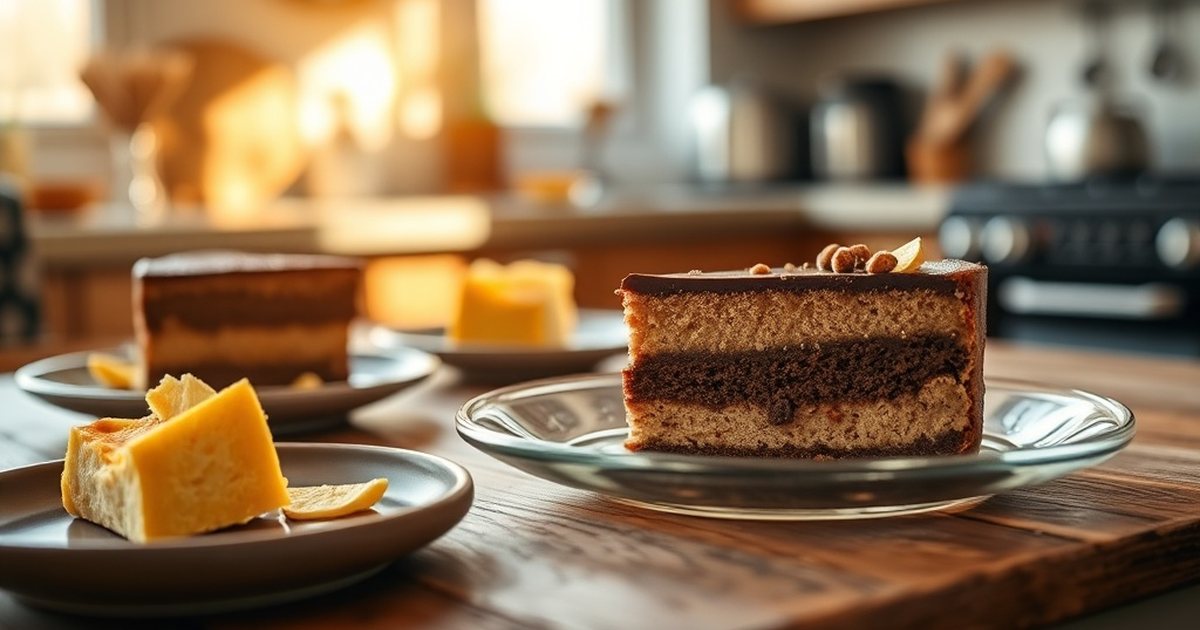
The deep brown color comes from a combination of three natural ingredients: unsweetened cocoa powder, dark molasses, and instant espresso powder. None of these make the bread taste like chocolate or coffee — instead they contribute dark pigmentation and a rich, earthy background flavor. The whole wheat and rye flours also add to the overall darkness of the finished loaf.
Can I make this recipe without a stand mixer?
Yes, absolutely. You can mix the dough by hand in a large bowl — just be prepared for a bit of a workout. Combine the wet ingredients first, then gradually work in the flours using a wooden spoon until a shaggy dough forms. Turn it out onto a lightly floured surface and knead by hand for a full 10 minutes until the dough is smooth and elastic. The results will be just as good.
Can I use all-purpose flour instead of bread flour?
You can substitute all-purpose flour for bread flour in a 1:1 ratio, and the bread will still taste great. However, bread flour has a higher protein content which develops more gluten, giving the loaves a chewier texture and better structure. If using all-purpose flour, the dough may be slightly softer and the final loaves a touch less chewy, but still very delicious.
My bread didn’t rise — what went wrong?
The most likely culprit is inactive yeast. Always check your yeast’s expiration date and proof it in warm liquid (between 105–115°F) before proceeding. Milk that is too hot (above 120°F) will kill the yeast, while liquid that is too cool (below 100°F) will leave it sluggish. Also make sure your rising environment is warm enough — a cold kitchen can significantly slow or stall fermentation. Try placing the covered bowl in an oven with just the light on.
Is this bread the same as a pumpernickel or rye bread?
It’s not quite the same as either, though it shares some family resemblance. Classic pumpernickel uses a sourdough starter and coarse rye flour with very long baking times, while traditional rye bread relies primarily on rye flour for its flavor. The Cheesecake Factory brown bread is a hybrid enriched loaf — it uses yeast leavening, a small amount of rye flour for depth, and its signature color comes primarily from cocoa and molasses rather than heavy rye content. The result is far softer and sweeter than either a pumpernickel or standard rye.
Can I make the dough ahead of time?
Yes — this dough is very well-suited to an overnight cold ferment, which actually improves the flavor. After shaping the individual loaves and placing them on the baking sheet, cover tightly with plastic wrap and refrigerate for up to 18 hours. When ready to bake, remove from the refrigerator and let the loaves sit at room temperature for about 60–90 minutes to take off the chill and finish proofing, then bake as directed. The cold-fermented loaves will have a slightly more complex, developed flavor.
Cost figures use US BLS Average Price Data (US city average) and are estimates for comparison; your local grocery prices and Cheesecake Factory’s current menu price will vary. As an Amazon Associate we earn from qualifying purchases. CopyKitchen is not affiliated with, endorsed by, or sponsored by Cheesecake Factory or any brand mentioned; this is an independent, homemade copycat recipe, and all trademarks are the property of their respective owners.