Affiliate disclosure: As an Amazon Associate we earn from qualifying purchases. CopyKitchen is reader-supported; cost and savings references are general and your local prices will vary.
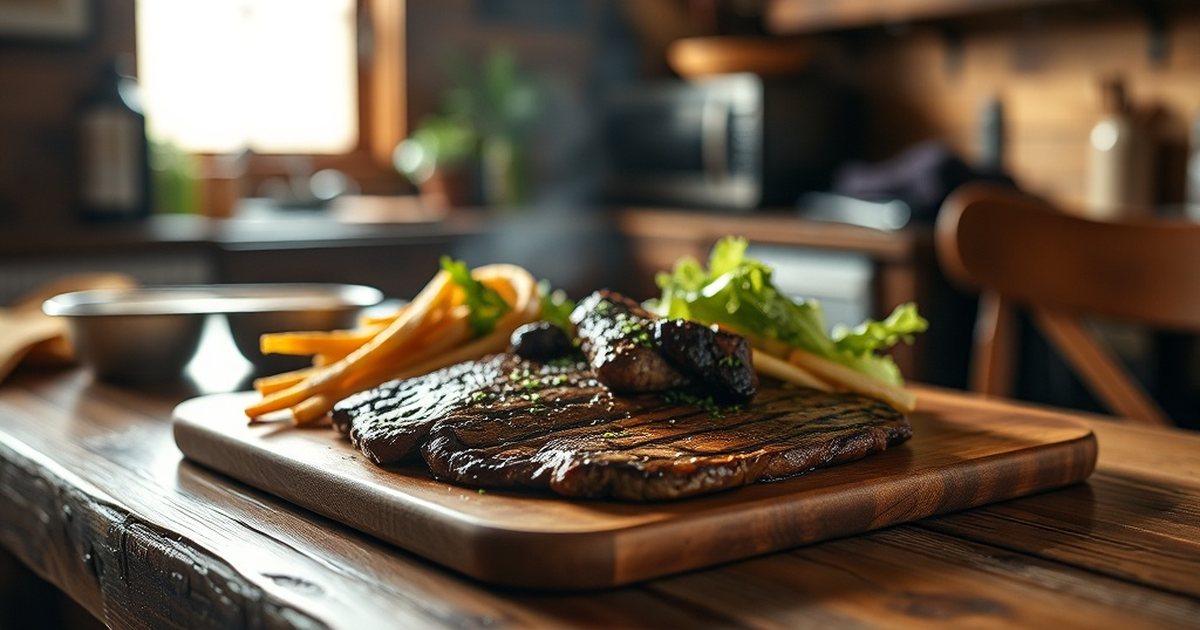
Texas Roadhouse has earned a devoted following for its perfectly seasoned steaks, and a big part of that appeal is the signature spice blend pressed firmly into the meat before it ever touches a grill. The seasoning strikes a careful balance — savory salt and cracked pepper for backbone, smoked paprika for color and depth, and a small measure of brown sugar that caramelizes over high heat into a rich, slightly sweet crust that seals in the juices.
The good news is this blend comes together in five minutes with spices likely already sitting in your pantry. One batch makes enough seasoning for a dozen steaks and costs a fraction of what you’d pay per restaurant visit or even for the branded retail bottle. Once you have a jar on hand, weeknight steak dinners become nearly effortless.
About Texas Roadhouse’s Steak Seasoning
Texas Roadhouse steak seasoning is built on two workhorses: coarse salt and cracked black pepper. The coarser grind is not incidental — it’s essential. Finer granules dissolve too quickly into the meat surface, while coarser crystals create the textured crust that forms when the steak hits a screaming-hot grill or cast-iron pan. Smoked paprika adds depth and a reddish color without overpowering the beef, while garlic and onion powders contribute the savory baseline that makes the blend taste complete rather than one-dimensional.
The small addition of brown sugar is the detail most home cooks skip when guessing at this recipe. It doesn’t make the steak taste sweet — at one teaspoon across a full batch, the quantity is too small for that. What it does is accelerate the Maillard reaction at the steak surface, encouraging a darker, more complex sear in less time. The cayenne and chili powder add a mild, building heat that lingers on the back of the palate without overwhelming the flavor of the beef itself.
Steak Seasoning: Restaurant vs. Homemade Cost
| At Texas Roadhouse | Homemade (12 servings (about 1/3 cup blend)) | You Save |
|---|---|---|
| $7.99 | $0.01 | $7.98 (100%) |
Texas Roadhouse price is the approximate cost of a comparable retail bottle. Homemade cost is calculated from US average grocery prices (US BLS Average Price Data, May 2026).
Ingredient cost breakdown
| Ingredient | Amount | Cost |
|---|---|---|
| kosher or coarse sea salt | 2 tbsp | — |
| coarse black pepper | 1 tbsp | — |
| smoked paprika | 1 tbsp | — |
| brown sugar | 1 tsp | $0.01 |
| garlic powder | 1 tsp | — |
| onion powder | 1 tsp | — |
| cayenne pepper | 0.5 tsp | — |
| chili powder | 0.5 tsp | — |
| Total (makes 12 servings (about 1/3 cup blend)) | $0.01 | |
Pantry staples not counted: kosher or coarse sea salt, coarse black pepper, smoked paprika, garlic powder, onion powder, cayenne pepper, chili powder (negligible cost).
Nutrition (estimated per serving)
Estimated from listed ingredients using USDA FoodData Central reference values. Actual values vary with brands, portions, and preparation.
How Much Does It Cost to Make Texas Roadhouse’s Steak Seasoning at Home?
A full batch makes 12 servings (about 1/3 cup blend) for about $0.01 in ingredients — roughly $0.00 per serving. Ordering the equivalent at Texas Roadhouse runs around $7.99, so making it yourself saves about $7.98 (100%). Those numbers come from current US average grocery prices (US BLS Average Price Data, May 2026), not estimates — the per-ingredient breakdown is in the table above. The savings are this large because you’re buying staple ingredients in bulk instead of paying for a prepared, served dish, and a single batch stretches across many servings.
Why Make It at Home?
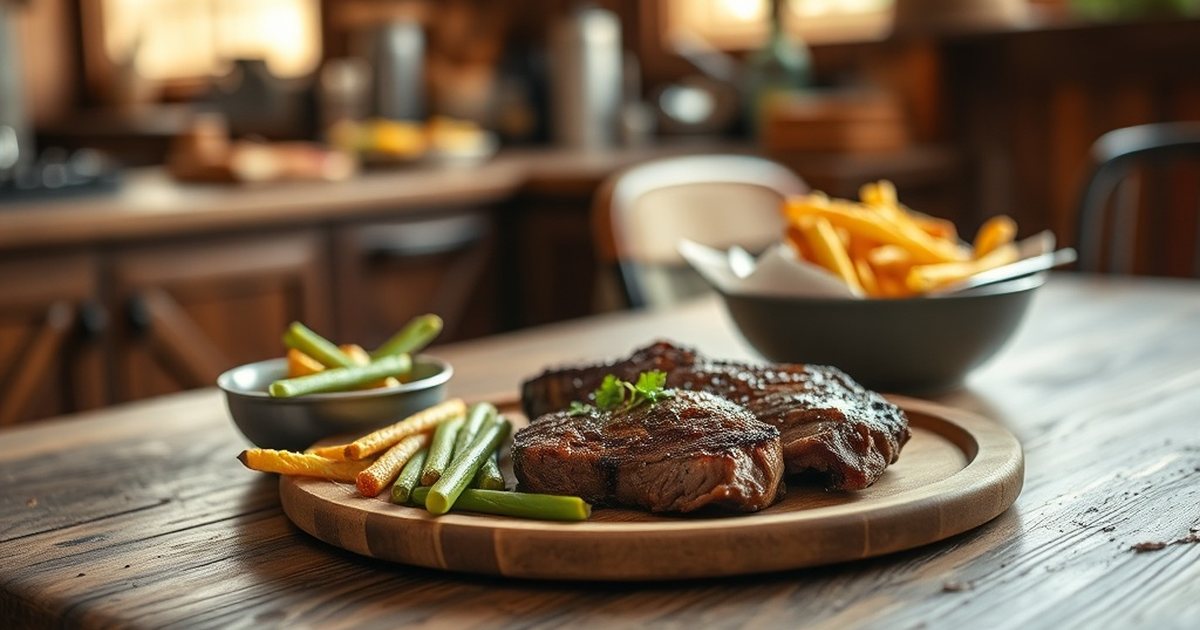
Making this blend at home gives you full control over both quality and cost. A jar of the branded Texas Roadhouse seasoning sold at retail runs close to eight dollars — this homemade version costs pennies per steak using spices you already own. You can also adjust freely: double the cayenne for more heat, cut it entirely for kids, or swap in extra smoked paprika for a deeper BBQ character. The bottled product doesn’t offer any of that flexibility, and it sits on a shelf for months before you open it. Fresh-mixed spices simply taste better.
Ingredients for Copycat Texas Roadhouse Steak Seasoning
Here’s the full ingredients list you’ll need to make Texas Roadhouse Steak Seasoning at home:
- 2 tbsp kosher or coarse sea salt
- 1 tbsp coarse black pepper
- 1 tbsp smoked paprika
- 1 tsp brown sugar
- 1 tsp garlic powder
- 1 tsp onion powder
- 0.5 tsp cayenne pepper
- 0.5 tsp chili powder
A few ingredient notes:
- Use kosher salt or coarse sea salt, not fine table salt. The coarser crystals create better surface texture and do not over-salt the steak the way finely ground salt does at the same volume.
- Freshly cracked black pepper makes a noticeable difference. Pre-ground pepper is acceptable, but running whole peppercorns through a coarse mill setting adds real sharpness and aroma that pre-ground loses quickly.
- Smoked paprika is strongly preferred over sweet or hot paprika. The smokiness mimics the open-flame grill environment at Texas Roadhouse and adds complexity that regular paprika cannot replicate.
🛒 Shop the Ingredients & Tools
As an Amazon Associate we earn from qualifying purchases.


How to Make Texas Roadhouse Steak Seasoning at Home
Prep: 5 min · Cook: 0 min · Makes: 12 servings (about 1/3 cup blend)
- 1. Measure all spices into a small mixing bowl: 2 tablespoons kosher salt, 1 tablespoon coarse black pepper, 1 tablespoon smoked paprika, 1 teaspoon brown sugar, 1 teaspoon garlic powder, 1 teaspoon onion powder, 1/2 teaspoon cayenne pepper, and 1/2 teaspoon chili powder.
- 2. Whisk or stir thoroughly for about 30 seconds until the brown sugar is fully broken up and evenly distributed with no visible clumps.
- 3. Taste a small pinch between your fingers and adjust: add more cayenne for extra heat, more salt if you prefer a bolder rub, or a touch more brown sugar if you want slightly stronger caramelization on the crust.
- 4. Transfer the finished blend to a clean airtight jar or recycled spice container. Label it with the date.
- 5. When ready to cook, remove steaks from the refrigerator and pat all surfaces completely dry with paper towels — surface moisture is the primary enemy of a good sear and must be removed before seasoning.
- 6. Press approximately 3/4 to 1 teaspoon of seasoning per side firmly onto each steak using the flat of your hand, ensuring even coverage across the entire surface.
- 7. Let the seasoned steaks rest uncovered at room temperature for 30 to 45 minutes before cooking. This allows the salt to begin penetrating the meat and ensures more even cooking throughout.
- 8. Cook over very high heat on a preheated cast-iron skillet or grill. Do not move the steak for the first 2 to 3 minutes after it hits the cooking surface — leaving it undisturbed is what allows the crust to form properly rather than tearing and steaming.
Tips for the Best Results
- Double or triple the batch and store it — the blend keeps for months and makes weeknight steak dinners nearly effortless with no measuring required.
- Apply the seasoning either right before cooking or at least 40 minutes ahead. The 10-to-40-minute window is problematic: salt draws moisture to the surface faster than the steak can reabsorb it, leaving you with a wet exterior that steams rather than sears.
- For steaks thicker than one inch, use slightly more seasoning and press it in firmly on all sides including the edges, which will sear when you stand the steak upright in the pan.
- Preheat your cast-iron or skillet for a full 5 minutes over high heat before adding the steak — the surface temperature needs to be 450°F or above to activate the brown sugar and develop the dark crust the restaurant is known for.
Common Mistakes to Avoid
- Using fine table salt instead of coarse salt, which over-salts the surface per crystal and creates an unpleasant texture rather than a proper rub.
- Applying the seasoning to a wet or damp steak surface, which causes the crust to steam off rather than sear and adhere.
- Moving the steak constantly while it cooks, which tears the developing crust before it has time to set and bond to the surface.
- Leaving out the brown sugar because it seems out of place in a savory rub — it is a small amount that makes a meaningful difference in crust development and does not make the steak taste sweet.
Variations to Try
- Smoky cumin version: add 1 teaspoon of ground cumin and an extra 1/2 teaspoon of smoked paprika for a more barbecue-forward, Southwestern profile.
- Low-sodium version: reduce the salt to 1 tablespoon and add 1/2 teaspoon each of dried thyme and dried oregano to build flavor depth without the extra sodium.
- Spicy steakhouse version: increase cayenne to 1 full teaspoon and add 1/4 teaspoon of crushed red pepper flakes for a noticeably bolder heat that builds slowly across the meal.
Storage & Reheating
Store the seasoning blend in an airtight jar away from heat, humidity, and direct sunlight. Kept in a cool pantry or cupboard, it will hold its potency for up to 6 months; it remains safe to use beyond that point but the flavors gradually fade. If the brown sugar forms small clumps over time, simply break them apart with a fork or the back of a spoon before use. No refrigeration is required.
What to Serve It With
This seasoning was designed for beef — ribeye, sirloin, and New York strip are all natural fits. It also performs well on pork chops, bone-in chicken thighs, and thick portobello mushrooms for a meatless option that still develops a satisfying char. To complete the Texas Roadhouse experience at home, serve alongside a baked potato loaded with butter and sour cream, a side of roasted or grilled corn, or a simple house salad with honey mustard dressing.
The Bottom Line
Texas Roadhouse’s Steak Seasoning is one of those dishes that feels like it should be hard to make and expensive to buy — but at home it’s neither. For about $0.01 in everyday ingredients you get 12 servings (about 1/3 cup blend), fresh and warm, for roughly 100% less than ordering out. Make it once and it’ll join the short list of recipes you reach for without thinking. Bookmark this one, grab the ingredients, and keep an eye on CopyKitchen for more copycat favorites with the real cost to make them at home.
Frequently Asked Questions
What cut of steak does Texas Roadhouse use with this seasoning?
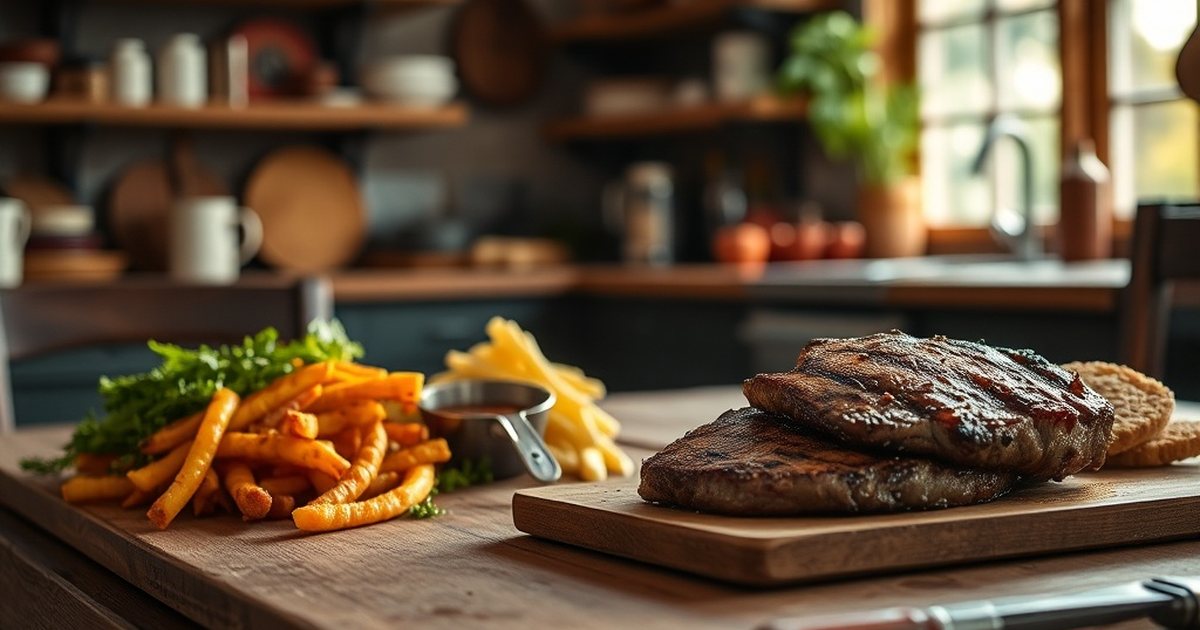
Texas Roadhouse is best known for its hand-cut USDA Choice steaks, including sirloin, ribeye, and filet. They receive whole primal cuts and butcher in-house daily. For the closest home match, a well-marbled ribeye or a sirloin from a butcher counter will give you the fat content and thickness this seasoning is designed to complement.
Can I use this seasoning on chicken or pork?
Yes, the blend works well on any protein that benefits from a savory, smoky rub. Use it on bone-in chicken thighs, pork chops, or even shrimp before grilling or pan-searing. For smaller or thinner cuts, use slightly less per surface area than you would for a thick steak, as the saltiness concentrates more quickly on thinner proteins.
Does the real Texas Roadhouse seasoning contain MSG?
The commercially sold Texas Roadhouse branded seasoning does list monosodium glutamate as an ingredient, which contributes to the deep savory quality. The homemade version here does not include it. If you want to replicate that specific umami depth, you can stir in 1/4 teaspoon of MSG — it is safe, widely used in restaurant cooking, and boosts savoriness without altering the flavor profile in any detectable way.
Why is my steak not developing a dark crust with this seasoning?
Two culprits cover most cases: a wet steak surface and insufficient pan heat. Always pat the steak completely dry with paper towels before applying seasoning, and preheat your cast-iron or grill for a full 5 minutes over the highest heat setting before the steak touches it. The brown sugar in the blend needs that intense heat to caramelize properly — a lukewarm pan just steams the surface instead.
How long does this seasoning blend last?
Stored in an airtight container away from heat and light, the blend will hold good flavor for 5 to 6 months. The spices are technically safe to use beyond that, but the volatile compounds responsible for aroma and heat — particularly cayenne and smoked paprika — fade noticeably after about six months. Mixing smaller batches more frequently gives you the best flavor output.
Should I oil the steak or the pan before applying this seasoning?
The preferred Texas Roadhouse method is to season the dry steak first, then add a small amount of high-heat oil such as avocado or vegetable oil to the pan — not to the steak. Oiling the hot pan directly ensures even heat transfer and prevents the seasoning from washing off the steak surface into pooled oil before a crust can form. A very light brush of oil on the steak is acceptable but not necessary if your pan is properly preheated.
Cost figures use US BLS Average Price Data (US city average) and are estimates for comparison; your local grocery prices and Texas Roadhouse’s current menu price will vary. As an Amazon Associate we earn from qualifying purchases. CopyKitchen is not affiliated with, endorsed by, or sponsored by Texas Roadhouse or any brand mentioned; this is an independent, homemade copycat recipe, and all trademarks are the property of their respective owners.