Affiliate disclosure: As an Amazon Associate we earn from qualifying purchases. CopyKitchen is reader-supported; cost and savings references are general and your local prices will vary.
Milk shows up in nearly every baked copycat recipe on this site, and the fat content of whatever’s in the carton changes texture more than most people expect. A recipe tested with whole milk and made with skim won’t fail outright, but it will come out noticeably different — and a few recipes specifically need buttermilk’s acidity to work at all.
The Main Types of Milk
Whole Milk
Around 3.25% milk fat, the standard for most baking recipes. The fat content adds richness and tenderness to baked goods and helps sauces and custards set with the right body — most recipes on this site default to whole milk unless a specific reason calls for something else.

2% and Skim Milk
Reduced-fat and fat-free versions of whole milk. They work fine for drinking and general cooking, but in baking, less fat means a slightly less tender, less rich result. The difference is subtle in most recipes but more noticeable in anything where milk is a primary ingredient rather than a supporting one, like a custard or a simple glaze.
Buttermilk
Traditionally the liquid left after churning butter; today it’s almost always cultured milk with added bacteria that thicken it and give it a tangy flavor. Its acidity reacts with baking soda to help batters rise, and it tenderizes gluten in a way plain milk doesn’t — which is why recipes that specifically call for buttermilk (like pancakes and biscuits) turn out noticeably different with plain milk substituted in.

Evaporated Milk
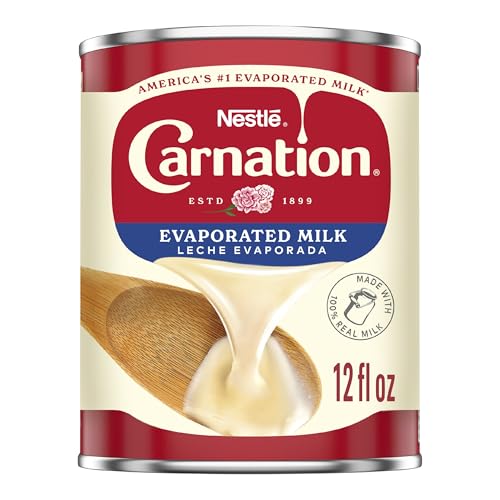
Milk with about 60% of its water removed through heating, giving it a concentrated, slightly caramelized flavor and thicker body. It’s shelf-stable until opened, which is why it shows up in recipes designed around pantry staples rather than fresh dairy.
Sweetened Condensed Milk
Evaporated milk with sugar added — not interchangeable with evaporated milk despite the similar name and can. It’s already sweet and syrupy, used in recipes that want that specific dense, sweet dairy base rather than as a general milk substitute.

Why Fat Content Actually Changes the Result
- Tenderness: milk fat coats flour proteins and limits gluten development, which is part of why whole milk produces a softer crumb than skim in baked goods.
- Browning: milk’s natural sugars (lactose) contribute to browning through the Maillard reaction — higher-fat, richer milk browns a bit more readily than skim.
- Body and mouthfeel: in sauces, custards, and glazes where milk is a primary ingredient, fat content directly changes thickness and richness, not just flavor.
Why Buttermilk Isn’t Just “Sour Milk”
Buttermilk’s acidity does real chemical work in a recipe: it reacts with baking soda to produce carbon dioxide that helps batters rise, and it breaks down gluten strands slightly, producing a more tender crumb. A recipe built around buttermilk and baking soda specifically depends on that acid-base reaction — swap in plain milk without adjusting the leavening, and the rise and texture both suffer.
Substituting Between Milk Types
- Whole milk → 2% or skim: use the same amount; expect a slightly less rich result
- No buttermilk on hand: for every cup, stir 1 tablespoon of lemon juice or white vinegar into 1 cup of milk and let it sit 5–10 minutes until slightly thickened
- Evaporated milk → whole milk (for drinking/general use): mix with an equal amount of water to approximate whole milk
- Sweetened condensed milk substitute: not easily replicated with evaporated milk plus sugar in a pinch — the texture won’t fully match, so it’s worth keeping a can on hand if you bake recipes that call for it often
Buying Guide
Whole milk covers the majority of recipes on this site. Keep a carton of buttermilk separately if you make pancakes, biscuits, or fried chicken regularly — the DIY vinegar substitute works in a pinch but isn’t quite the same as the real thing for browning and rise. Evaporated and sweetened condensed milk are shelf-stable pantry items worth keeping on hand only if you bake the specific recipes that call for them.
Recipes on CopyKitchen That Use Milk
- Copycat Wendy’s Ghost Pepper Ranch
- Homemade Krispy Kreme Glazed Doughnuts
- How to Make Cinnabon’s Cinnamon Rolls at Home
- Make Starbucks Lemon Loaf at Home for Less
- Pumpkin Bread Just Like Starbucks’s
- The Best Copycat Auntie Anne’s Soft Pretzels Recipe
- Copycat Cheesecake Factory Brown Bread
- Homemade Cracker Barrel Pancakes
- How to Make Olive Garden’s Alfredo Sauce at Home
- Creamy Copycat Panera Mac and Cheese
- Fluffy Copycat IHOP Buttermilk Pancakes
- How to Make Red Lobster Cheddar Bay Biscuits at Home
- Copycat Culver’s Cheese Sauce
Frequently Asked Questions
Can I use any milk for a buttermilk recipe if I add vinegar or lemon juice?
Yes, this DIY version works for the acid reaction with baking soda, though it won’t be quite as thick or tangy as real cultured buttermilk. Fine for most pancake and biscuit recipes; not a perfect match in recipes where buttermilk’s texture matters most.
Can I substitute plant-based milk in these recipes?
Often yes for flavor and moisture, but plant-based milks lack dairy fat and protein structure, which can change browning and tenderness in baking specifically. Results vary more by recipe than with dairy substitutions.
What’s the difference between evaporated milk and condensed milk?
Evaporated milk is just milk with water removed, unsweetened. Sweetened condensed milk has sugar added on top of that. They are not interchangeable despite similar packaging.