Affiliate disclosure: As an Amazon Associate we earn from qualifying purchases. CopyKitchen is reader-supported; cost and savings references are general and your local prices will vary.
Flour is where most home bakers first run into trouble with copycat recipes — not because measuring is hard, but because “flour” isn’t one ingredient. Protein content, milling, and how tightly you pack the cup all change the outcome, sometimes drastically. Here’s what actually separates one bag of flour from another.
The Main Types of Flour
All-Purpose Flour
A blend of hard and soft wheat landing at a moderate protein content, usually 10–12%. It’s the default for most baking because it’s versatile enough to produce decent bread, cookies, and cakes without being ideal at any one of them — which is exactly why it’s the flour called for in the overwhelming majority of recipes on this site.

Bread Flour
Higher protein content (typically 12–14%) than all-purpose, which means more gluten development when mixed and kneaded. More gluten gives dough more structure and chew, which is why yeasted breads, bagels, and pretzels that need a substantial, chewy crumb call for bread flour specifically.

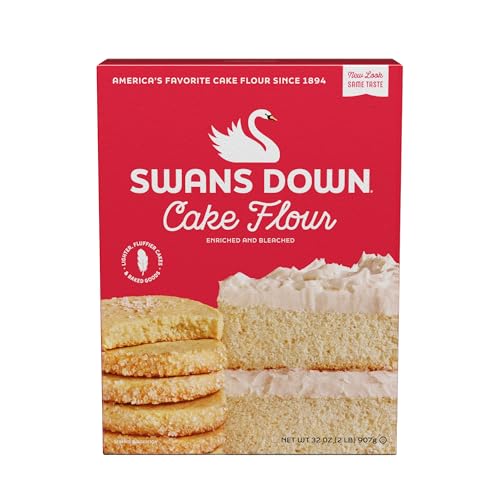
Cake Flour
Lower protein (typically 7–9%) and finely milled, often chlorinated to weaken gluten formation further and help it absorb more sugar and fat. Less gluten means a more tender, delicate crumb — the opposite goal of bread flour — which is why cake flour shows up in recipes chasing an especially light, soft texture.
Self-Rising Flour
All-purpose flour with baking powder and salt already mixed in at a fixed ratio. Convenient for recipes built around it (some biscuit and quick bread recipes), but a poor swap into a recipe that calls for plain flour plus its own separately measured leavening — you’d end up with unpredictable amounts of salt and baking powder.
Whole Wheat Flour
Milled from the entire wheat kernel (bran, germ, and endosperm), unlike white flours which use only the endosperm. It has more fiber and a nuttier flavor, but the bran cuts into gluten strands as it develops, producing a denser result — recipes that use whole wheat flour often blend it with all-purpose to keep some lightness.

Why Protein Content Is the Real Story
Protein content is what determines how much gluten a flour can develop, and gluten is what gives baked goods their structure. High-protein flour (bread flour) makes strong, elastic, chewy structures — good for bread, bad for a tender cookie. Low-protein flour (cake flour) makes weak, delicate structures — good for a soft cake, bad for a bagel that needs to hold its shape. All-purpose flour sits in the middle because most home baking doesn’t need to go to either extreme.
Why the Scoop-and-Level Method Matters
Flour compacts in the bag during shipping and storage. Scooping a measuring cup directly into the bag can pack in up to 20–25% more flour than the recipe intended, which is one of the most common reasons a copycat baking recipe turns out dry or dense compared to the original. The more accurate method: fluff the flour in its container, spoon it into the measuring cup until overflowing, then level it off with a straight edge — don’t tap, pack, or scoop directly.
Substituting Between Flour Types
- All-purpose → bread flour: use the same amount; expect a slightly chewier result
- All-purpose → cake flour: for every cup of all-purpose, use 1 cup minus 2 tablespoons of all-purpose plus 2 tablespoons of cornstarch, sifted together, as a reasonable home substitute
- All-purpose → self-rising: for every cup of self-rising, use 1 cup all-purpose flour plus 1½ teaspoons baking powder and ¼ teaspoon salt
- All-purpose → whole wheat: start by replacing no more than half the flour with whole wheat in a recipe not written for it, since a full swap will noticeably change texture and may need extra liquid
Buying Guide
A bag of all-purpose flour covers nearly everything on this site. Add bread flour specifically if you make yeasted breads, bagels, or pretzels often — the chew difference is noticeable. Cake flour is worth keeping only if you bake delicate cakes regularly; for occasional baking, the cornstarch substitute above gets you most of the way there without a dedicated bag going stale in the pantry.
Recipes on CopyKitchen That Use Flour
- Copycat Panera Broccoli Cheddar Soup
- Homemade Krispy Kreme Glazed Doughnuts
- How to Make Cinnabon’s Cinnamon Rolls at Home
- Copycat Subway Italian Herb and Cheese Bread
- Make Panera Cinnamon Crunch Bagel at Home for Less
- Make Starbucks Lemon Loaf at Home for Less
- Pumpkin Bread Just Like Starbucks’s
- The Best Copycat Auntie Anne’s Soft Pretzels Recipe
- Copycat Cheesecake Factory Brown Bread
- Homemade Cracker Barrel Pancakes
- Creamy Copycat Panera Mac and Cheese
- Homemade Olive Garden Breadsticks, Soft and Buttery
- Copycat Starbucks Banana Bread
- Fluffy Copycat IHOP Buttermilk Pancakes
- How to Make Red Lobster Cheddar Bay Biscuits at Home
- Copycat Culver’s Cheese Sauce
Frequently Asked Questions
Can I use bread flour instead of all-purpose in a cookie recipe?
You can, but expect a chewier, denser cookie since bread flour develops more gluten. If the recipe wasn’t written for it, all-purpose flour is the safer default.
Why did my copycat bread turn out dense and dry?
Overpacked flour from scooping directly out of the bag is one of the most common causes. Try the spoon-and-level method and see if the texture improves before assuming the recipe itself is wrong.
Is bleached or unbleached flour better for baking?
Both work in nearly every recipe on this site. Bleached flour is chemically treated to whiten it and slightly weaken gluten, which some bakers prefer for very tender cakes and cookies; unbleached is untreated and ages naturally. The difference is subtle enough that either works for general baking.