Affiliate disclosure: As an Amazon Associate we earn from qualifying purchases. CopyKitchen is reader-supported; cost and savings references are general and your local prices will vary.
Sugar shows up in almost every copycat recipe on this site — not just the desserts. It’s in bread doughs, sauces, and even savory glazes, doing jobs that have nothing to do with making something taste sweet. Swap the wrong type into a baking recipe and you can throw off texture, browning, and moisture, not just flavor. Here’s what each type of sugar actually does and when to use it.
The Main Types of Sugar
Granulated Sugar
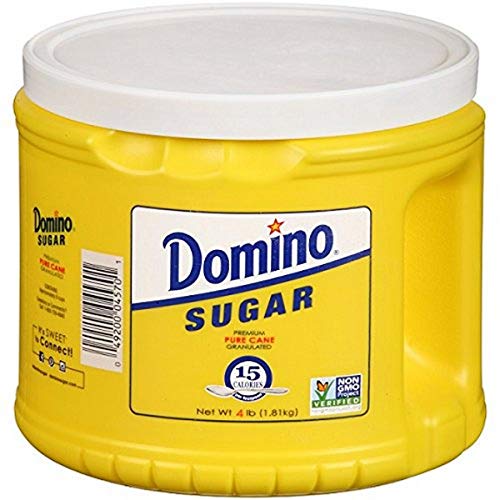
The default white sugar in most kitchens: medium-sized crystals, pure sucrose. It’s the workhorse for baking because its crystal size is small enough to dissolve into batters and doughs but large enough to still cream properly with butter, trapping air that helps cakes and cookies rise.
Powdered (Confectioners’) Sugar
Granulated sugar ground to a fine powder and mixed with a small amount of cornstarch to prevent clumping. It dissolves almost instantly, which is why it’s the standard for glazes, frostings, and dustings — granulated sugar left in a glaze would leave a gritty texture that never fully melts.

Brown Sugar (Light and Dark)
Granulated sugar with molasses added back in — light brown sugar has less molasses, dark brown has more. The molasses adds moisture, a caramel-like flavor, and mild acidity. Recipes that want a chewier texture (cookies, blondies) lean on brown sugar because the extra moisture it holds changes how the dough spreads and sets.

Superfine (Caster) Sugar
Granulated sugar ground finer than standard but not as fine as powdered sugar, with no added cornstarch. It dissolves faster than regular granulated sugar, which makes it useful in meringues and cold drinks where you don’t want undissolved grains. You can approximate it at home by pulsing granulated sugar in a food processor for about 30 seconds.
Raw / Turbinado Sugar
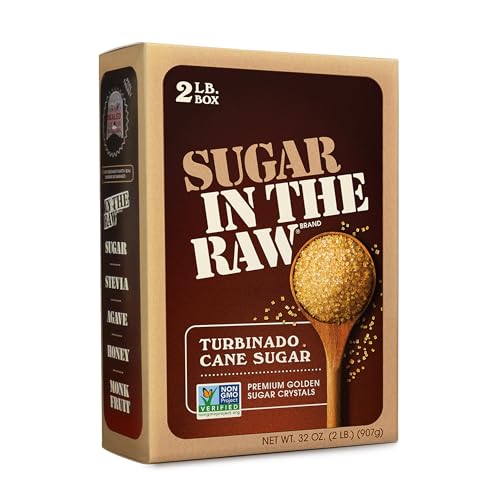
Partially refined sugar with large, coarse, light-brown crystals and a mild molasses flavor. It doesn’t dissolve or melt down the way granulated sugar does, which is exactly why it’s used as a finishing sprinkle on top of muffins and scones — for crunch and visual texture, not for mixing into a batter.
What Sugar Actually Does in a Recipe
- Browning: sugar is a key player in the Maillard reaction and caramelization, which is why baked goods with more sugar brown faster and darker at the same oven temperature.
- Moisture retention: sugar is hygroscopic — it holds onto water, which is part of why baked goods with more sugar (or brown sugar specifically) stay softer longer after baking.
- Texture and spread: in cookies, more sugar (especially brown sugar, with its extra moisture) makes dough spread thinner and chewier; less sugar keeps cookies puffier and more cake-like.
- Yeast fuel: in yeasted doughs, a small amount of sugar feeds the yeast and speeds fermentation — too much can actually slow yeast down by drawing water away from it through osmosis.
- Freezing point and mouthfeel: in glazes, sauces, and frozen desserts, sugar concentration changes texture independent of sweetness — it’s why professional glaze and caramel recipes measure sugar so precisely.
Substituting Between Sugar Types
- Granulated → brown sugar: use the same amount by volume; expect a chewier, moister result and slightly darker color
- Granulated → powdered sugar (for sweetness, not glazes): use about 1.75× the amount, since powdered sugar is partly cornstarch by weight
- Granulated → superfine: use the same amount; pulse granulated sugar in a food processor for about 30 seconds if you don’t have superfine on hand
- Light brown → dark brown (or vice versa): interchangeable in most recipes; expect a slightly milder or stronger molasses flavor
Buying Guide
A bag of plain granulated sugar and a box of light brown sugar cover nearly every recipe on this site. Keep powdered sugar on hand specifically for glazes and frostings — it’s not a good substitute for granulated sugar in baking, and vice versa. Dark brown sugar is worth having separately if you bake often and want deeper caramel notes in cookies and bars; otherwise light brown sugar with a splash more molasses gets you close.
Recipes on CopyKitchen That Use Sugar
- Copycat Wendy’s Ghost Pepper Ranch
- Homemade Krispy Kreme Glazed Doughnuts
- How to Make Cinnabon’s Cinnamon Rolls at Home
- Copycat Burger King Zesty Sauce
- Copycat Subway Italian Herb and Cheese Bread
- Make Panera Cinnamon Crunch Bagel at Home for Less
- Make Starbucks Lemon Loaf at Home for Less
- Pumpkin Bread Just Like Starbucks’s
- The Best Copycat Auntie Anne’s Soft Pretzels Recipe
- Copycat Cheesecake Factory Brown Bread
- Homemade Cracker Barrel Pancakes
- Homemade Olive Garden Breadsticks, Soft and Buttery
- Copycat Starbucks Banana Bread
- Fluffy Copycat IHOP Buttermilk Pancakes
- How to Make Red Lobster Cheddar Bay Biscuits at Home
- Homemade PF Chang’s Mongolian Beef
Frequently Asked Questions
Can I use brown sugar anywhere a recipe calls for granulated sugar?
Usually yes by volume, but expect a chewier texture, darker color, and a mild molasses flavor. In glazes and meringues where a clean white color and clear flavor matter, stick with granulated or powdered sugar.
Why did my glaze turn out gritty?
Granulated or superfine sugar was likely used instead of powdered sugar. Powdered sugar’s fine texture (and the cornstarch mixed into it) is what lets a glaze dissolve completely and set smooth.
Is raw or turbinado sugar healthier than white sugar?
Nutritionally, the difference is negligible — both are still overwhelmingly sucrose. The real difference is texture and how each behaves in a recipe, not health impact.