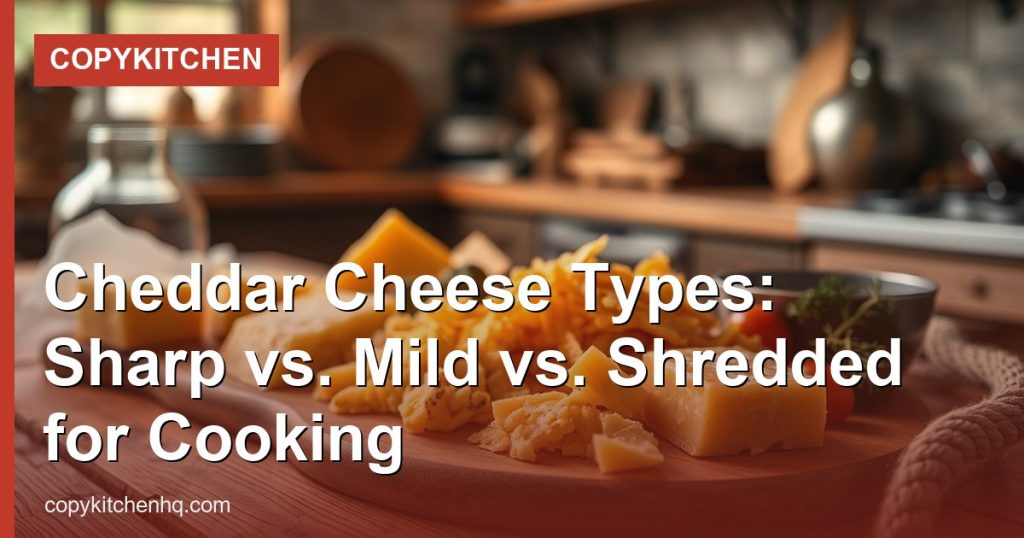
Cheddar Cheese Types: Sharp vs. Mild vs. Shredded for Cooking
Learn the differences between sharp, mild, shredded, white, and orange cheddar and which type works best in copycat recipes.
Deep-dive guides on individual ingredients: history, quality tiers, buying guides, and how each one affects your cooking.
Learn the differences between sharp, mild, shredded, white, and orange cheddar and which type works best in copycat recipes.
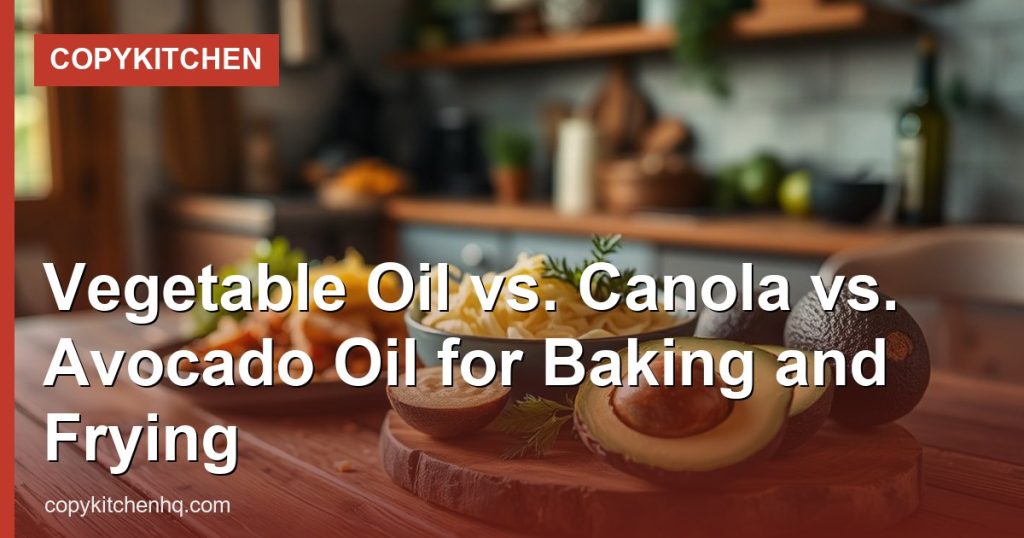
Compare vegetable, canola, and avocado oil for baking and frying. Learn how smoke point, flavor, and texture differ across cooking oils.
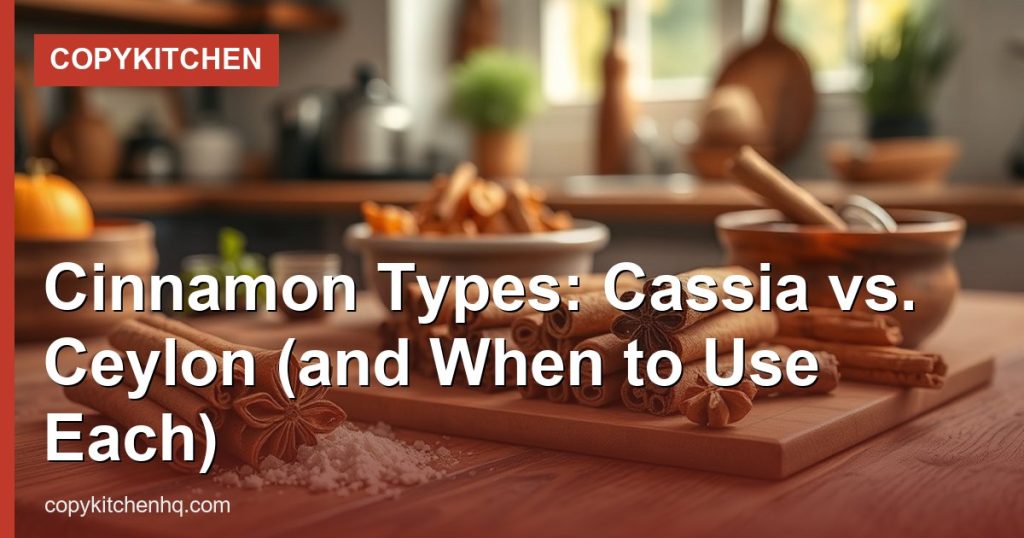
Most grocery store cinnamon is cassia, not Ceylon. Learn the flavor differences and which type copycat bakery recipes call for.
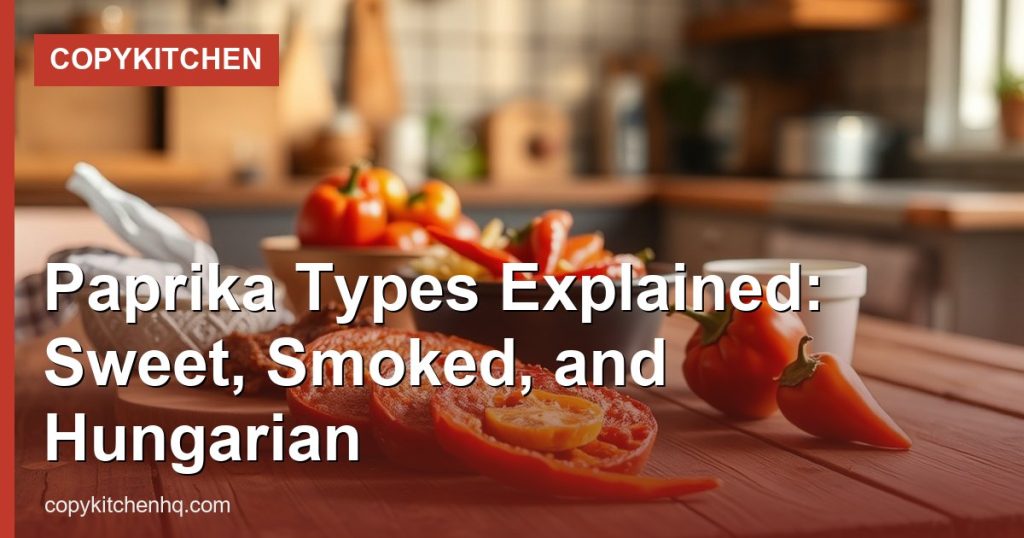
Sweet, smoked, and Hungarian paprika differ in flavor and heat. Learn which type to use for copycat recipes so the dish tastes right.
Garlic powder, granulated garlic, and garlic salt are not the same thing. Learn the right ratios and when to use each over fresh garlic.
Baking soda and baking powder are not interchangeable. Learn what each one does, when to swap, and how the wrong choice affects your baking.
Imitation vanilla, pure extract, vanilla paste, and whole beans each behave differently. Learn which one your copycat recipe needs.
Egg size and temperature affect how baked goods rise and set. Learn why recipes call for large eggs at room temperature and when it matters.
Whole, skim, 2%, and buttermilk each change texture differently in baked goods. Learn which milk to use when a recipe just says milk.
All-purpose, bread, cake, and self-rising flour have different protein levels that change texture. Learn which flour your recipe needs.
Water content, milk solids, and salt level in butter change how recipes brown, rise, and taste. Learn which butter to reach for and when.
Granulated, brown, powdered, and raw sugar behave differently in recipes. Learn which type to use in copycat baked goods, sauces, and glazes.