Affiliate disclosure: As an Amazon Associate we earn from qualifying purchases. CopyKitchen is reader-supported; cost and savings references are general and your local prices will vary.
Chipotle’s carnitas is one of the chain’s most reliably satisfying proteins — fork-tender, slow-braised pork shoulder with silky shreds and caramelized edges that make every bite worth coming back for. What sets it apart from generic Mexican carnitas is a quietly unusual seasoning combination: juniper berries and thyme braised alongside the pork give it a piney, savory depth that most people can’t identify but always notice.
The better news is that replicating it at home requires no special equipment beyond a Dutch oven and a few hours of patience. A four-pound pork shoulder costs less than one restaurant bowl, and it yields eight generous servings. Once you see how straightforward the technique is, restaurant carnitas starts to feel like the expensive, inconvenient option.
About Chipotle’s Carnitas
Chipotle uses responsibly raised pork shoulder slow-cooked with aromatics in a braise that draws from European as much as Mexican technique. The defining flavors are juniper berries — the same berry that gives gin its character — along with dried thyme and bay leaves. This combination is unusual in Mexican cooking but unmistakably Chipotle: deeply savory, faintly floral, and rich without being heavy. A small amount of orange juice adds brightness and helps tenderize the meat without making the result taste citrusy.
The method is a classic braise: season, sear, add aromatics and liquid, then cook low and slow until the fat renders and the muscle fibers surrender completely. The pork becomes so tender it shreds at a touch. The essential final step is crisping the shredded meat under a broiler or in a ripping-hot skillet, creating the contrast of tender interior and caramelized, lacy edges that defines great carnitas.
Carnitas: Restaurant vs. Homemade Cost
| At Chipotle | Homemade (8 servings) | You Save |
|---|---|---|
| $84.00 | $19.89 | $64.11 (76%) |
Chipotle price is the approximate cost of 8 carnitas bowls at Chipotle. Homemade cost is calculated from US average grocery prices (US BLS Average Price Data, May 2026).
Ingredient cost breakdown
| Ingredient | Amount | Cost |
|---|---|---|
| boneless pork shoulder (Boston butt) | 4 lb | $18.46 |
| white onion, quartered | 1 each | $0.11 |
| fresh orange juice | 0.5 cup | $1.24 |
| vegetable oil | 2 tbsp | $0.08 |
| garlic cloves, smashed | 6 clove | — |
| dried juniper berries, lightly crushed | 1 tsp | — |
| dried thyme | 1 tsp | — |
| bay leaves | 3 each | — |
| kosher salt and black pepper | 2 tsp | — |
| Total (makes 8 servings) | $19.89 | |
Pantry staples not counted: garlic cloves, smashed, dried juniper berries, lightly crushed, dried thyme, bay leaves, kosher salt and black pepper (negligible cost).
Nutrition (estimated per serving)
Estimated from listed ingredients using USDA FoodData Central reference values. Actual values vary with brands, portions, and preparation.
How Much Does It Cost to Make Chipotle’s Carnitas at Home?
A full batch makes 8 servings for about $19.89 in ingredients — roughly $2.49 per serving. Ordering the equivalent at Chipotle runs around $84.00, so making it yourself saves about $64.11 (76%). Those numbers come from current US average grocery prices (US BLS Average Price Data, May 2026), not estimates — the per-ingredient breakdown is in the table above. The savings are this large because you’re buying staple ingredients in bulk instead of paying for a prepared, served dish, and a single batch stretches across many servings.
Why Make It at Home?
A four-pound pork shoulder runs $8–$14 at most grocery stores and produces eight hearty servings, putting the per-serving cost well under $3 before toppings. That same amount of food would cost over $80 at Chipotle. Beyond the savings, cooking it at home means you control the salt level, can adjust the seasoning to your taste, and end up with braising liquid so flavorful it doubles as a sauce. Leftovers improve overnight as the fat soaks back into the meat, making the second-day tacos arguably better than the first.
Ingredients for Copycat Chipotle Carnitas
Here’s the full ingredients list you’ll need to make Chipotle Carnitas at home:
- 4 lb boneless pork shoulder (Boston butt)
- 1 each white onion, quartered
- 0.5 cup fresh orange juice
- 2 tbsp vegetable oil
- 6 clove garlic cloves, smashed
- 1 tsp dried juniper berries, lightly crushed
- 1 tsp dried thyme
- 3 each bay leaves
- 2 tsp kosher salt and black pepper
A few ingredient notes:
- Pork shoulder — also labeled ‘Boston butt’ or ‘pork butt’ — is the only cut worth using here. Its heavy fat marbling bastes the meat throughout the long braise and makes it virtually impossible to dry out. Pork loin has none of this fat and will turn chalky and stringy under the same conditions.
- Juniper berries are the ingredient most home cooks overlook, and they’re the single biggest difference-maker in hitting the Chipotle flavor. Find them in the spice aisle at Whole Foods, Sprouts, or online. Crush them lightly under the flat of a knife or in a mortar before adding — just enough to crack the skin and release their oils.
- Use fresh-squeezed orange juice if you have it, but carton juice works fine. The quantity is deliberately modest — half a cup for four pounds of pork. You want the citrus to brighten the back end of the flavor, not announce itself. More orange juice tips the result toward a different style of carnitas entirely.
🛒 Shop the Ingredients & Tools
As an Amazon Associate we earn from qualifying purchases.

How to Make Chipotle Carnitas at Home
Prep: 15 min · Cook: 240 min · Makes: 8 servings
- 1. Preheat the oven to 275°F. Cut the pork shoulder into 3 or 4 large chunks — this increases surface area for searing and speeds the braise. Season all sides generously with kosher salt and black pepper.
- 2. Heat the vegetable oil in a large Dutch oven over medium-high until shimmering. Working in batches so you don’t crowd the pan, sear the pork pieces on all sides until deeply browned, 3 to 4 minutes per side. Transfer browned pieces to a plate and repeat with remaining pork.
- 3. Reduce heat to medium. Add the quartered onion to the Dutch oven and cook, stirring occasionally, until softened and lightly browned at the edges, about 3 minutes. Add the smashed garlic cloves and cook 1 minute more.
- 4. Return all the pork and any accumulated juices to the pot. Scatter the crushed juniper berries, dried thyme, and bay leaves over the meat. Pour in the orange juice, then add enough water to come about 1 inch up the sides of the pork — roughly half a cup to a cup depending on your pot.
- 5. Bring the liquid to a simmer, cover the Dutch oven tightly, and transfer to the oven. Braise until the pork is completely tender and shreds easily when pressed with a fork, 3.5 to 4 hours. Check once at the halfway mark and add a splash of water if the pot looks dry.
- 6. Remove the pot from the oven. Transfer the pork chunks to a cutting board and let rest 10 minutes. Discard the bay leaves, onion, and juniper berries from the braising liquid. Using two forks, shred the pork into rough, irregular pieces — aim for a mix of larger chunks and finer shreds, not uniform paste.
- 7. Return the shredded pork to the pot and toss to coat with the braising juices. Taste carefully and adjust salt. The braising liquid should be well-seasoned enough to finish the meat.
- 8. For the signature crispy edges: spread the pork in a single layer on a foil-lined rimmed baking sheet and broil on high for 3 to 5 minutes, watching closely, until the exposed edges caramelize and crisp. Alternatively, cook in a dry cast-iron skillet over high heat, leaving undisturbed for 2 minutes before tossing. Serve immediately.
Tips for the Best Results
- Don’t rush the sear — the deeply browned crust on each piece creates fond in the Dutch oven that enriches the entire braising liquid. Pale, steam-cooked pork produces a pale, flat result.
- The 275°F oven temperature is not arbitrary. Higher heat causes the proteins to seize before the fat fully renders, yielding chewy rather than silky meat. Low and slow is non-negotiable here.
- Save a ladle of braising liquid separately before tossing the shredded pork. It makes an excellent sauce for reheating leftovers and keeps the meat moist through the week.
- If you have time, braise the pork a day ahead and refrigerate overnight in the braising liquid. The fat solidifies for easy skimming, the flavor deepens, and the broiler step takes just minutes before serving.
Common Mistakes to Avoid
- Using pork loin instead of shoulder — loin has no fat marbling and will dry out completely during a 4-hour braise, going from fine to chalky with no warning.
- Braising at too high a temperature — 350°F or above causes the pork proteins to tighten before the connective tissue fully breaks down, producing a stringy texture instead of silky shreds.
- Over-shredding into a uniform mush — the appeal of carnitas is textural contrast between tender interior shreds and caramelized edges. Keep some irregular chunky pieces in the mix.
- Skipping the final seasoning taste — the braising liquid reduces and concentrates as it cooks. The pork needs a fresh salt check after it’s been tossed with those juices, not just when it goes into the oven.
Variations to Try
- Slow cooker: Sear the pork in a skillet as directed, then transfer everything to a slow cooker and cook on LOW for 8 hours or HIGH for 5 hours. Finish under the broiler to recover the crispy edges.
- Smoky heat version: Add one dried ancho or guajillo chile, seeds removed and torn into pieces, to the braising liquid. It deepens the color and adds a mild, smoky complexity that plays well with the juniper.
- Instant Pot shortcut: Use the Sauté function to sear the pork, then pressure cook on HIGH for 75 minutes with a 15-minute natural release. Shred, then broil as usual — the texture is excellent and the total time drops under two hours.
Storage & Reheating
Leftover carnitas keep in an airtight container in the refrigerator for up to 4 days. Store the meat with a generous spoonful of braising liquid to keep it moist — dry carnitas reheats as dry carnitas. For longer storage, freeze in zip-top bags for up to 3 months; press out as much air as possible. To reheat, warm in a skillet over medium heat with a tablespoon of water or chicken broth, cover loosely for the first minute to steam through, then uncover and let the liquid evaporate so the edges re-crisp. Avoid the microwave if possible — it steams the meat and kills the texture.
What to Serve It With
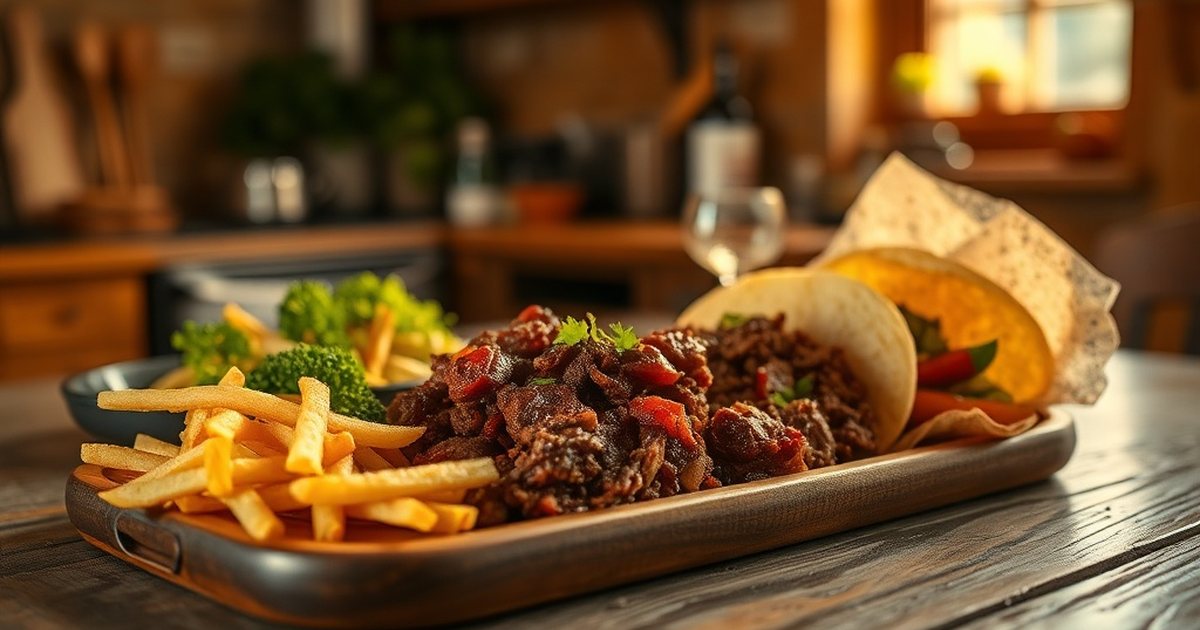
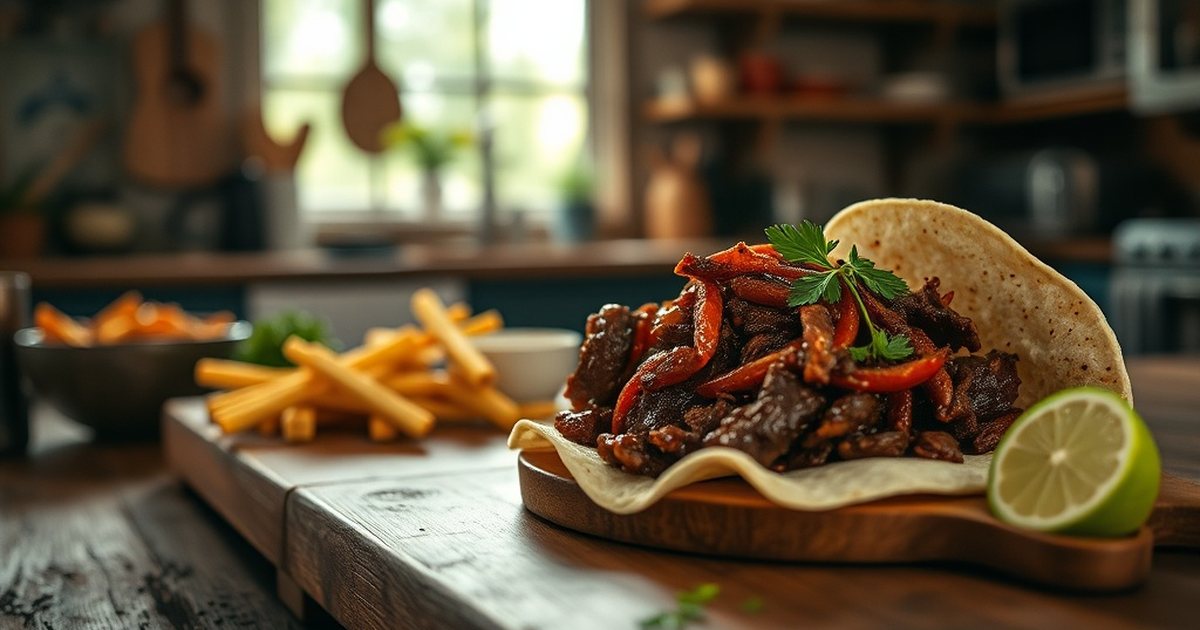
Serve the carnitas Chipotle-style in warm flour or corn tortillas, or over a bowl of cilantro-lime white rice with black or pinto beans. Pile on fresh pico de gallo, shredded romaine, sour cream, and a squeeze of lime to finish. For a full spread, add guacamole and corn salsa on the side. The meat is also excellent in quesadillas with melted cheddar, tucked into a breakfast burrito with scrambled eggs, or piled onto nachos with refried beans and pickled jalapeños.
The Bottom Line
Chipotle’s Carnitas is one of those dishes that feels like it should be hard to make and expensive to buy — but at home it’s neither. For about $19.89 in everyday ingredients you get 8 servings, fresh and warm, for roughly 76% less than ordering out. Make it once and it’ll join the short list of recipes you reach for without thinking. Bookmark this one, grab the ingredients, and keep an eye on CopyKitchen for more copycat favorites with the real cost to make them at home.

Frequently Asked Questions
What cut of pork does Chipotle use for their carnitas?
Chipotle uses pork shoulder, which is sold at grocery stores as ‘Boston butt’ or ‘pork butt’ — names that refer to the same cut from the upper shoulder. It’s heavily marbled with fat and connective tissue that breaks down over the long braise, producing silky, self-basting meat. This is the only cut that gives you the right texture; leaner cuts like loin will dry out completely under the same conditions.
What is the secret ingredient in Chipotle’s carnitas?
Juniper berries. They’re the ingredient most people can’t identify but immediately sense as ‘different’ about Chipotle’s carnitas versus any other version. Juniper gives the braise a faintly piney, floral quality that reads as savory and complex rather than overtly botanical once the pork has cooked for several hours. Combined with dried thyme and bay leaves, they create a flavor profile that’s distinctly un-generic.
Can I make this recipe without juniper berries?
You can, but the result will taste more like conventional carnitas and less like Chipotle specifically. If you can’t find juniper berries, a quarter teaspoon of dried rosemary approximates the piney quality, though it’s stronger and more assertive — use it sparingly. The recipe will still be delicious; it just won’t have that exact Chipotle signature. Juniper berries are worth seeking out online or at a spice shop if you care about accuracy.
How do I get crispy edges on the carnitas like Chipotle does?
The broiler is the most reliable method. Spread the shredded pork in a single layer — not piled up — on a foil-lined baking sheet and broil on high for 3 to 5 minutes, keeping a close eye on it. The exposed edges caramelize quickly. Alternatively, a dry cast-iron skillet over very high heat works well: press the pork in flat, leave it completely undisturbed for 90 seconds to 2 minutes, then toss. The key in both cases is direct high heat and not overcrowding.
Can I make Chipotle carnitas in an Instant Pot?
Yes, and it cuts the total time from 4 hours to under 2. Use the Sauté function to sear the pork pieces directly in the pot, then add the aromatics and liquids, seal the lid, and pressure cook on HIGH for 75 minutes with a 15-minute natural pressure release before venting. Shred and broil exactly as you would with the oven method. The texture is excellent — the pressure cooker excels at breaking down tough cuts quickly.
How long does homemade carnitas last in the fridge?
Stored properly in an airtight container with some braising liquid, carnitas keeps in the refrigerator for up to 4 days. The flavor actually improves by day two as the rendered fat reabsorbs into the shredded meat. For longer storage, freeze flat in zip-top bags for up to 3 months. Reheat in a skillet rather than a microwave — stovetop heat restores some of the texture that microwaving destroys by trapping steam against the meat.
Cost figures use US BLS Average Price Data (US city average) and are estimates for comparison; your local grocery prices and Chipotle’s current menu price will vary. As an Amazon Associate we earn from qualifying purchases. CopyKitchen is not affiliated with, endorsed by, or sponsored by Chipotle or any brand mentioned; this is an independent, homemade copycat recipe, and all trademarks are the property of their respective owners.