Affiliate disclosure: As an Amazon Associate we earn from qualifying purchases. CopyKitchen is reader-supported; cost and savings references are general and your local prices will vary.
Panda Express Chow Mein is one of the chain’s most-ordered sides, and the appeal is easy to understand — glossy, savory noodles tangled with tender cabbage, celery, and onion, cooked fast over high heat until everything is just barely charred at the edges. It’s a deceptively simple dish that manages to taste deeply satisfying even without a protein.
This copycat recipe nails what makes Panda’s version work: a soy and oyster sauce base with just enough sesame oil to round it out, tossed in a screaming-hot pan and served immediately. The whole thing comes together in under 25 minutes and costs a fraction of what you’d spend at the counter — closer to five dollars for four servings than the thirteen or so you’d pay buying individual sides.
About Panda Express’s Chow Mein
Panda Express Chow Mein is built on yakisoba-style wheat noodles — thick, soft, and slightly chewy. The chain stir-fries them with green cabbage, celery, and yellow onion, keeping the vegetable selection deliberately minimal. The sauce is a short list: soy sauce for salt and umami, oyster sauce for depth and a hint of sweetness, and toasted sesame oil for aroma. Nothing else.
What makes the chain’s version distinctive is the combination of high heat and a well-seasoned flat-top. The noodles pick up a faint smokiness and just enough oil to stay glossy without being greasy. The vegetables are cooked until tender-crisp, not mushy. Recreating this at home is almost entirely a matter of temperature control — if the pan isn’t fully preheated, you’ll steam the noodles instead of frying them and the whole texture goes wrong.
Chow Mein: Restaurant vs. Homemade Cost
| At Panda Express | Homemade (4 servings) | You Save |
|---|---|---|
| $13.00 | $1.47 | $11.53 (89%) |
Panda Express price is the approximate cost of four medium side orders at Panda Express. Homemade cost is calculated from US average grocery prices (US BLS Average Price Data, May 2026).
Ingredient cost breakdown
| Ingredient | Amount | Cost |
|---|---|---|
| yakisoba or fresh chow mein noodles | 14 oz | $1.20 |
| green cabbage, roughly chopped | 3 cup | — |
| celery stalks, sliced on the bias | 2 each | $0.16 |
| yellow onion, thinly sliced | 1 each | $0.11 |
| soy sauce | 3 tbsp | — |
| oyster sauce | 1 tbsp | — |
| toasted sesame oil | 1 tsp | — |
| garlic, minced | 3 clove | — |
| fresh ginger, grated | 0.5 tsp | — |
| vegetable or avocado oil | 2 tbsp | — |
| white pepper | 0.25 tsp | — |
| Total (makes 4 servings) | $1.47 | |
Pantry staples not counted: green cabbage, roughly chopped, soy sauce, oyster sauce, toasted sesame oil, garlic, minced, fresh ginger, grated, vegetable or avocado oil, white pepper (negligible cost).
Nutrition (estimated per serving)
Estimated from listed ingredients using USDA FoodData Central reference values. Actual values vary with brands, portions, and preparation.
How Much Does It Cost to Make Panda Express’s Chow Mein at Home?
A full batch makes 4 servings for about $1.47 in ingredients — roughly $0.37 per serving. Ordering the equivalent at Panda Express runs around $13.00, so making it yourself saves about $11.53 (89%). Those numbers come from current US average grocery prices (US BLS Average Price Data, May 2026), not estimates — the per-ingredient breakdown is in the table above. The savings are this large because you’re buying staple ingredients in bulk instead of paying for a prepared, served dish, and a single batch stretches across many servings.
Why Make It at Home?
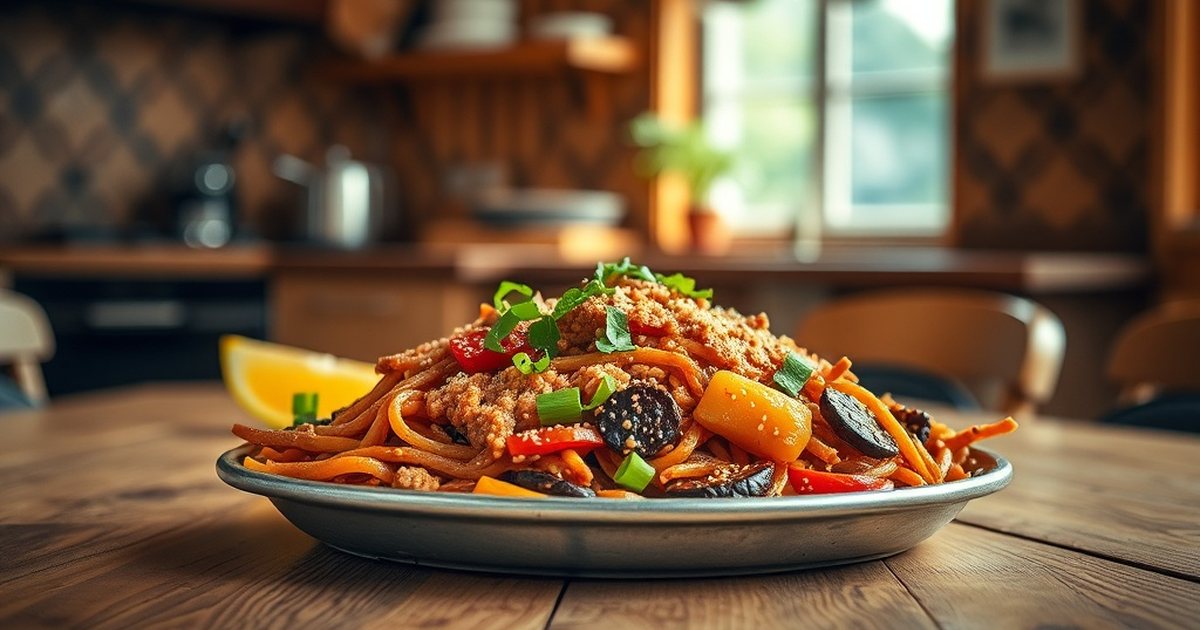
Making chow mein at home cuts the cost dramatically — a batch feeding four runs around four to six dollars in ingredients versus the twelve to sixteen you’d spend on individual sides at the counter. You also control the sodium level, the amount of oil, and how long the noodles have been sitting. Done in under thirty minutes with ingredients available at any grocery store, this is a genuinely practical weeknight recipe that beats both the drive-through and the wait.
Kitchen Unit Converter
Convert between common cooking measurements. Volume units convert to other volume units, and weight units convert to other weight units.
Open the full unit converter →
Why can't I convert cups to grams? Volume-to-weight conversion depends on the specific ingredient's density (a cup of flour and a cup of honey weigh very different amounts), so this tool only converts within volume units or within weight units, using standard published US customary and metric conversion factors.
Ingredients for Copycat Panda Express Chow Mein
Here’s the full ingredients list you’ll need to make Panda Express Chow Mein at home:
- 14 oz yakisoba or fresh chow mein noodles
- 3 cup green cabbage, roughly chopped
- 2 each celery stalks, sliced on the bias
- 1 each yellow onion, thinly sliced
- 3 tbsp soy sauce
- 1 tbsp oyster sauce
- 1 tsp toasted sesame oil
- 3 clove garlic, minced
- 0.5 tsp fresh ginger, grated
- 2 tbsp vegetable or avocado oil
- 0.25 tsp white pepper
A few ingredient notes:
- Yakisoba noodles found in the refrigerated section of Asian grocery stores are the closest match to what Panda uses. Fresh chow mein noodles work equally well. If neither is available, dried lo mein noodles cooked until just al dente are a reliable backup — just drain them and toss with a drizzle of oil before they go into the pan.
- Oyster sauce is not optional. It provides the subtle sweetness and rich, roasted depth that soy sauce alone cannot replicate. Lee Kum Kee is the standard brand and widely available. For a vegetarian version, mushroom-based oyster sauce is a direct swap that works very well.
- Cut the cabbage into rough one-inch pieces rather than thin shreds. Panda’s chow mein has chunky, substantial vegetable pieces, not finely chopped bits that disappear into the noodles. Slicing celery on the bias increases surface area and helps it cook evenly alongside the softer cabbage.
🛒 Shop the Ingredients & Tools
As an Amazon Associate we earn from qualifying purchases.


How to Make Panda Express Chow Mein at Home
Prep: 10 min · Cook: 15 min · Makes: 4 servings
- 1. If using dry lo mein noodles, cook according to package directions until just al dente, drain well, and toss immediately with a drizzle of oil to prevent sticking. Fresh or refrigerated yakisoba noodles can go straight into the wok without any precooking.
- 2. Mix the sauce: stir together the soy sauce, oyster sauce, and sesame oil in a small bowl. Set aside so it’s ready to go — things move fast once the pan is hot.
- 3. Heat a large wok or the heaviest skillet you own over the highest heat your stove can produce. Add the vegetable oil and swirl to coat. Wait until the oil is shimmering and the first wisps of smoke appear before adding anything.
- 4. Add the onion and celery and stir-fry, tossing constantly, for about 2 minutes until softened at the edges but still with some firmness in the center.
- 5. Add the garlic and ginger and toss for 30 seconds until fragrant and just beginning to color.
- 6. Add the cabbage and toss for 1 to 2 minutes until the leaves have wilted and picked up a little color on the edges.
- 7. Add the noodles and pour the sauce over everything. Toss vigorously for 2 to 3 minutes, separating any clumps and making sure every strand is evenly coated. Let the noodles sit undisturbed for 20 to 30 seconds between tosses to encourage a faint char on the bottom.
- 8. Season with white pepper, taste and adjust with additional soy sauce if needed, then serve immediately.
Tips for the Best Results
- Preheat the pan longer than feels necessary. Wok hei — the subtle smoky quality that makes restaurant noodles taste the way they do — only develops when the surface is genuinely ripping hot, not just warm.
- Cook in batches if you’re doubling the recipe. Crowding the pan drops the temperature instantly and turns a stir-fry into a braise. Two fast batches beat one slow, steamy one every time.
- Add the sesame oil to the sauce mixture before cooking rather than drizzling it directly onto a hot pan. At high heat it burns quickly and turns bitter.
- Let the noodles rest briefly against the bottom of the pan without tossing — this is how you build the faint char that distinguishes properly cooked chow mein from pale, soft noodles.
Common Mistakes to Avoid
- Starting with a pan that isn’t hot enough. If the noodles are releasing moisture and turning limp rather than picking up color and char, the heat is too low and you can’t recover by waiting.
- Overcooking the vegetables. Panda’s chow mein has cabbage and celery that are tender with a slight bite — they should not be soft or translucent all the way through.
- Adding too much sauce. The noodles should be lightly, evenly glazed, not sitting in a pool of liquid at the bottom of the pan. The listed amounts are intentionally restrained.
- Skipping the oil toss on pre-cooked noodles. Without it, the noodles clump into a mass in the wok and tear apart instead of separating cleanly when tossed.
Variations to Try
- Chicken chow mein: Slice chicken thighs thin, toss with a teaspoon of soy sauce and a pinch of cornstarch, and stir-fry in the hot oil before the vegetables. Remove, build the dish, then return the chicken with the noodles.
- Spicy version: Stir one to two teaspoons of chili garlic sauce or sambal oelek into the sauce mixture before adding it to the pan for heat the original version doesn’t have.
- Extra vegetables: Add julienned carrots, snap peas, or sliced shiitake mushrooms alongside the celery and onion to build out the vegetable component without changing the sauce or technique.
Storage & Reheating
Store leftovers in an airtight container in the refrigerator for up to 4 days. Reheat in a hot skillet with a splash of water or a small drizzle of soy sauce to loosen the noodles — the microwave works in a pinch but tends to make the texture slightly gummy. Avoid freezing: wheat noodles turn mushy after a freeze-thaw cycle and don’t recover well.
What to Serve It With
Panda Express Chow Mein is designed as a side, and it pairs best with dishes that have a saucy, savory protein component. Orange chicken is the obvious match, but Beijing beef, honey walnut shrimp, or a simple teriyaki chicken all work equally well. Serve alongside steamed jasmine rice if you want to stretch the meal further, or let the noodles carry the carb load on their own for a lighter plate.
The Bottom Line
Panda Express’s Chow Mein is one of those dishes that feels like it should be hard to make and expensive to buy — but at home it’s neither. For about $1.47 in everyday ingredients you get 4 servings, fresh and warm, for roughly 89% less than ordering out. Make it once and it’ll join the short list of recipes you reach for without thinking. Bookmark this one, grab the ingredients, and keep an eye on CopyKitchen for more copycat favorites with the real cost to make them at home.
Frequently Asked Questions
What kind of noodles does Panda Express use for chow mein?
Panda Express uses a fresh or par-cooked yakisoba-style wheat noodle — thick, soft, and slightly chewy. You can find these refrigerated at Asian grocery stores labeled as yakisoba noodles or fresh chow mein noodles. Dried lo mein noodles cooked until just al dente are a widely available backup that produces a very similar result.
Is Panda Express chow mein actually chow mein or lo mein?
By traditional definition, chow mein involves frying the noodles until at least partially crispy, while lo mein is soft-tossed in sauce. Panda’s version is soft-tossed, which makes it technically closer to lo mein by preparation — but the chain has always called it chow mein, and that name has stuck. Don’t let the semantics bother you; the flavor is what matters.
Can I make this gluten-free?
The wheat noodles are the main barrier. Rice noodles or glass noodles can substitute, though the texture will be noticeably lighter and less chewy. Also replace the soy sauce with tamari and verify your oyster sauce is gluten-free — some brands use wheat as a thickener, so check the label before buying.
Why do my noodles stick together in the wok?
The two most common causes are not tossing pre-cooked noodles with oil before they go in, and a pan that isn’t hot enough. Fresh or pre-cooked noodles should be lightly coated with oil and at room temperature before hitting the pan, and the wok needs to be fully preheated until smoking before you add anything.
How do I get that smoky restaurant flavor at home?
That slightly charred, smoky quality called wok hei comes from very high heat combined with the food briefly contacting the hottest surface of the pan. At home, use your strongest burner, preheat the wok until it’s visibly smoking, and cook in smaller batches so you don’t drop the temperature. A carbon steel wok retains heat better than stainless or non-stick and will get you closer to the real thing.
Can I prepare any of this ahead of time?
The sauce can be mixed and refrigerated for up to a week. The vegetables can be sliced a day in advance and stored in an airtight container. The noodles should be cooked and oiled no more than a few hours ahead. Once assembled and cooked, the dish is best eaten immediately — the noodles absorb sauce and soften as they sit, so there’s no real benefit to making the final dish in advance.
Cost figures use US BLS Average Price Data (US city average) and are estimates for comparison; your local grocery prices and Panda Express’s current menu price will vary. As an Amazon Associate we earn from qualifying purchases. CopyKitchen is not affiliated with, endorsed by, or sponsored by Panda Express or any brand mentioned; this is an independent, homemade copycat recipe, and all trademarks are the property of their respective owners.