Affiliate disclosure: As an Amazon Associate we earn from qualifying purchases. CopyKitchen is reader-supported; cost and savings references are general and your local prices will vary.
Olive Garden‘s Chicken Parmigiana is the chain’s Italian-American comfort food at its most satisfying: a golden-fried chicken cutlet blanketed in bright marinara and bubbling mozzarella, served over a tangle of hot spaghetti. It’s a dish that manages to feel both special and familiar at the same time, which is exactly why it has anchored the menu for so long.
Making it at home puts every layer under your control — how thin you pound the chicken, how long the sauce simmers, and how aggressively you let the cheese brown under the broiler. With a handful of everyday ingredients and about an hour of active cooking, you can plate four restaurant-quality servings for a fraction of what a sit-down dinner for four would cost at the restaurant.
About Olive Garden’s Chicken Parmigiana
Chicken Parmigiana is an Italian-American creation born from Southern Italian immigrants who adapted the classic Melanzane alla Parmigiana — eggplant layered with tomato and cheese — by swapping in chicken, which was more affordable and widely available in their new home. By the mid-twentieth century it had become a fixture in red-sauce restaurants across the country, and chains like Olive Garden made it a household name. The restaurant’s version features a thick, juicy cutlet with a crisp, seasoned crust, a sweet and herbaceous marinara, and a generous cap of melted mozzarella with a dusting of Parmesan.
The technique that defines the dish is the three-step breading: flour for adhesion, a milk-thinned egg wash for binding, and Italian-seasoned breadcrumbs mixed with Parmesan for flavor and crunch. Olive Garden finishes the assembled dish under the broiler rather than baking it, which melts and slightly browns the cheese in just a few minutes without letting the crust lose its crispness. Getting the chicken to a uniform half-inch thickness before breading is the single most impactful prep step — uneven cutlets leave thin edges dry before the thickest part is cooked through.
Chicken Parmigiana: Restaurant vs. Homemade Cost
| At Olive Garden | Homemade (4 servings) | You Save |
|---|---|---|
| $75.96 | $11.33 | $64.63 (85%) |
Olive Garden price is the approximate cost of 4 comparable dinner entrees at Olive Garden. Homemade cost is calculated from US average grocery prices (US BLS Average Price Data, May 2026).
Ingredient cost breakdown
| Ingredient | Amount | Cost |
|---|---|---|
| boneless, skinless chicken breasts (4 halves, pounded thin) | 2 lb | $8.34 |
| all-purpose flour | 1 cup | $0.15 |
| large eggs | 2 each | $0.37 |
| whole milk | 0.25 cup | $0.07 |
| Italian-seasoned breadcrumbs | 1.5 cup | — |
| freshly grated Parmesan cheese, divided | 0.75 cup | — |
| shredded low-moisture mozzarella cheese | 1.5 cup | — |
| crushed San Marzano tomatoes | 28 oz | $1.20 |
| unsalted butter | 2 tbsp | $0.20 |
| vegetable oil, for pan-frying | 0.5 cup | $0.31 |
| spaghetti | 8 oz | $0.69 |
| garlic cloves, minced | 4 clove | — |
| Italian seasoning | 2 tsp | — |
| granulated sugar | 1 tsp | $0.01 |
| kosher salt and black pepper, to taste | 1 tsp | — |
| Total (makes 4 servings) | $11.33 | |
Pantry staples not counted: Italian-seasoned breadcrumbs, freshly grated Parmesan cheese, divided, shredded low-moisture mozzarella cheese, garlic cloves, minced, Italian seasoning, kosher salt and black pepper, to taste (negligible cost).
Nutrition (estimated per serving)
Estimated from listed ingredients using USDA FoodData Central reference values. Actual values vary with brands, portions, and preparation.
How Much Does It Cost to Make Olive Garden’s Chicken Parmigiana at Home?
A full batch makes 4 servings for about $11.33 in ingredients — roughly $2.83 per serving. Ordering the equivalent at Olive Garden runs around $75.96, so making it yourself saves about $64.63 (85%). Those numbers come from current US average grocery prices (US BLS Average Price Data, May 2026), not estimates — the per-ingredient breakdown is in the table above. The savings are this large because you’re buying staple ingredients in bulk instead of paying for a prepared, served dish, and a single batch stretches across many servings.
Why Make It at Home?
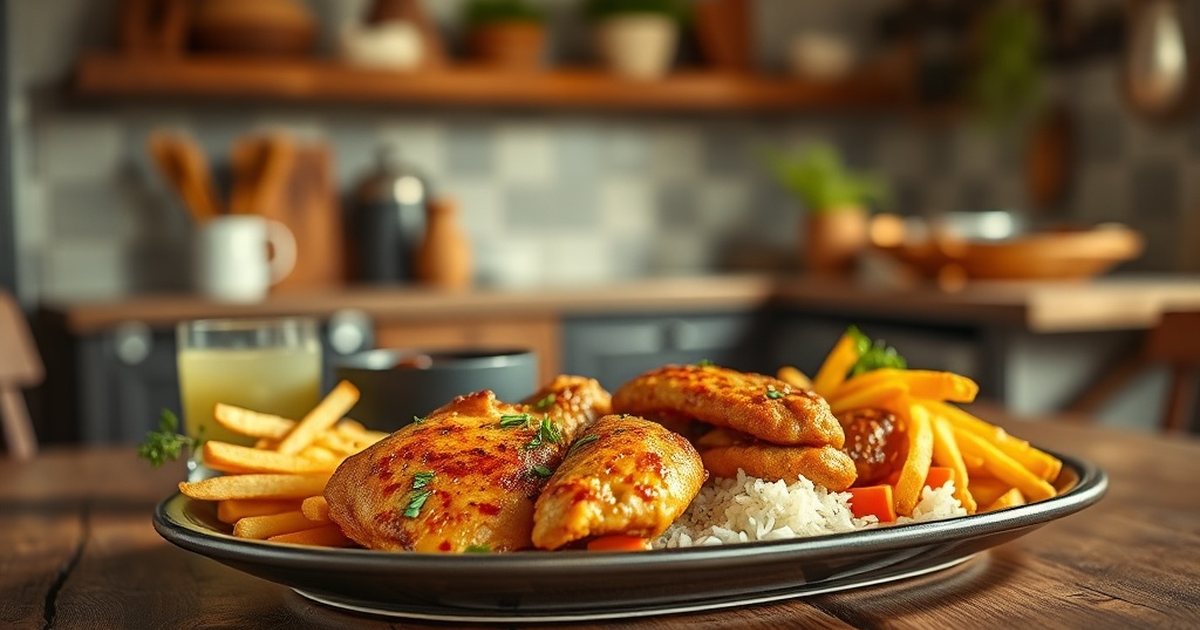
Four Chicken Parmigiana dinners at Olive Garden will run close to $76 before drinks, taxes, or tip. At home, you can replicate all four plates for well under $20 in ingredients, and the recipe gives you flexibility the restaurant cannot — a longer-simmered sauce, extra cheese, or a spicier marinara if that is what your table wants. You also skip the wait for a table on a Friday night, which is its own reward.
Ingredients for Copycat Olive Garden Chicken Parmigiana
Here’s the full ingredients list you’ll need to make Olive Garden Chicken Parmigiana at home:
- 2 lb boneless, skinless chicken breasts (4 halves, pounded thin)
- 1 cup all-purpose flour
- 2 each large eggs
- 0.25 cup whole milk
- 1.5 cup Italian-seasoned breadcrumbs
- 0.75 cup freshly grated Parmesan cheese, divided
- 1.5 cup shredded low-moisture mozzarella cheese
- 28 oz crushed San Marzano tomatoes
- 2 tbsp unsalted butter
- 0.5 cup vegetable oil, for pan-frying
- 8 oz spaghetti
- 4 clove garlic cloves, minced
- 2 tsp Italian seasoning
- 1 tsp granulated sugar
- 1 tsp kosher salt and black pepper, to taste
A few ingredient notes:
- Chicken breasts: Look for breasts in the six-to-eight-ounce range and halve them horizontally, or pound them with a meat mallet to an even half-inch thickness. Uniform thickness is the single biggest factor in getting juicy, evenly cooked chicken — skip this step and the edges will be dry before the center is done.
- Breadcrumbs: Italian-seasoned breadcrumbs already carry herbs and salt, which keeps the coating flavorful without extra work. If you only have plain breadcrumbs, stir in one teaspoon each of dried oregano, basil, and garlic powder plus a generous pinch of salt before using.
- Crushed tomatoes: High-quality crushed tomatoes — San Marzano if your budget allows — give the sauce a naturally sweet, low-acid base that needs minimal doctoring. Avoid diced tomatoes here; the larger chunks will not meld into a smooth sauce without a much longer cook time.
🛒 Shop the Ingredients & Tools
- King Arthur all purpose flour
- Spaghetti pasta
- Granulated white sugar
- Stainless steel mixing bowls
- Half sheet baking pan
As an Amazon Associate we earn from qualifying purchases.

How to Make Olive Garden Chicken Parmigiana at Home
Prep: 20 min · Cook: 35 min · Makes: 4 servings
- 1. Simmer the marinara: In a medium saucepan over medium heat, melt the butter. Add the minced garlic and cook for 60 seconds until fragrant but not browned. Pour in the crushed tomatoes, then stir in the Italian seasoning, sugar, salt, and black pepper. Reduce heat to low and simmer uncovered for 20 minutes, stirring occasionally, until the sauce is slightly thickened and the color deepens. Taste and adjust seasoning.
- 2. Pound the chicken: While the sauce simmers, place each chicken breast half between two sheets of plastic wrap. Working from the center outward, pound to an even half-inch thickness with a meat mallet or heavy skillet. Season both sides generously with salt and black pepper.
- 3. Set up the breading station: Set out three shallow dishes in a row. Fill the first with flour, the second with eggs whisked together with the milk, and the third with breadcrumbs combined with half a cup of the grated Parmesan.
- 4. Bread the cutlets: Dredge each cutlet in flour, shaking off any excess. Dip into the egg wash and let the excess drip off. Press firmly into the breadcrumb-Parmesan mixture, coating both sides evenly and making sure no bare patches remain. Set the breaded cutlets on a wire rack for five minutes so the coating can adhere before frying.
- 5. Pan-fry the chicken: Heat the vegetable oil in a large oven-safe skillet over medium-high heat until it shimmers and registers around 350°F on an instant-read thermometer. Add the cutlets — work in batches to avoid crowding — and cook three to four minutes per side until deep golden brown and cooked through (internal temperature of 165°F). Transfer to a paper-towel-lined plate.
- 6. Cook the pasta: Bring a large pot of heavily salted water to a rolling boil and cook the spaghetti until al dente according to package directions. Reserve a quarter cup of pasta water, then drain. Toss the spaghetti with a ladleful of marinara and a splash of pasta water to prevent sticking.
- 7. Assemble and broil: Position an oven rack six inches from the broiler element and preheat the broiler to high. Arrange the fried cutlets in the same skillet or a rimmed baking dish. Spoon two to three tablespoons of marinara over each cutlet. Divide the shredded mozzarella evenly among the cutlets, then sprinkle the remaining Parmesan on top. Broil for three to four minutes, watching closely, until the cheese is fully melted and dotted with golden spots.
- 8. Plate and serve: Twirl a portion of spaghetti into a nest on each plate and spoon a little extra marinara over the pasta. Set a chicken cutlet on top and serve immediately while the cheese is still bubbling.
Tips for the Best Results
- Rest the breaded cutlets on a wire rack for at least five minutes before frying — this gives the coating time to bond to the surface and dramatically reduces the chance of it sliding off in the hot oil.
- Use an instant-read thermometer and pull the chicken the moment it reads 165°F; even a few degrees of overcooking makes pounded chicken noticeably dry.
- Always broil, not bake, for the cheese finish — the direct, intense heat melts and browns the mozzarella in three to four minutes without steaming away the crispy crust you just built.
- Make double the marinara: it freezes for up to three months and serves equally well as a pasta sauce, pizza base, or dipping sauce for garlic bread on a future weeknight.
Common Mistakes to Avoid
- Skipping the pounding step: thick, uneven chicken breasts cook unevenly, leaving the thinner edges dried out long before the thickest section reaches a safe temperature.
- Crowding the pan: adding too many cutlets at once drops the oil temperature and causes the breading to steam rather than fry, producing a pale, soft coating instead of a crisp, golden crust.
- Using high-moisture fresh mozzarella: it releases significant water as it melts, turning the topping watery and washing away the sauce. Use shredded low-moisture, part-skim mozzarella for a clean, stretchy melt.
- Walking away during broiling: the cheese moves from golden and bubbly to scorched in under a minute under a hot broiler. Stay at the oven door and pull the dish the instant you see even golden spots across the surface.
Variations to Try
- Spicy arrabbiata version: stir half a teaspoon of crushed red pepper flakes into the marinara along with the garlic for a sauce with a slow, building heat that cuts through the richness of the cheese.
- Baked, not fried: place breaded cutlets on a well-oiled sheet pan, spray the tops with cooking spray, and bake at 425°F for 20 to 22 minutes — flipping once at the halfway point — before topping with sauce and cheese and finishing under the broiler.
- Chicken Parm sandwich: tuck a smaller fried cutlet into a toasted hoagie roll spread with marinara, pile on the mozzarella, and broil the open-faced sandwich until the cheese bubbles for an Italian sub-style dinner that comes together in minutes.
Storage & Reheating
Leftover chicken and pasta keep in separate airtight containers in the refrigerator for up to three days; storing them apart prevents the breadcrumb crust from becoming fully saturated overnight. To reheat the chicken, place it on a wire rack set over a baking sheet and warm in a 375°F oven for ten to twelve minutes until heated through and the cheese is melted again — the rack keeps air circulating underneath so the bottom stays crisp. Avoid the microwave if possible, which turns the breading soft and rubbery within seconds. Extra marinara reheats well in a small saucepan over low heat with a tablespoon or two of water to loosen it.
What to Serve It With
Olive Garden plates Chicken Parmigiana over a simple bed of spaghetti with extra marinara spooned around the pasta, and that straightforward presentation is hard to improve on. At home, round out the meal with a Caesar salad or a lightly dressed arugula salad with lemon and olive oil, plus thick slices of warm garlic bread to mop up any sauce left on the plate. A medium-bodied Italian red — a Chianti Classico or a Montepulciano d’Abruzzo — pairs naturally with the tomato-forward flavors and does not compete with the richness of the cheese.
The Bottom Line
Olive Garden’s Chicken Parmigiana is one of those dishes that feels like it should be hard to make and expensive to buy — but at home it’s neither. For about $11.33 in everyday ingredients you get 4 servings, fresh and warm, for roughly 85% less than ordering out. Make it once and it’ll join the short list of recipes you reach for without thinking. Bookmark this one, grab the ingredients, and keep an eye on CopyKitchen for more copycat favorites with the real cost to make them at home.

Frequently Asked Questions
Can I use chicken thighs instead of breasts?
Yes, and many cooks prefer them for this dish because thighs stay noticeably juicier. Boneless, skinless thighs are thinner and more irregular in shape, so you may only need to even out the thickest spots rather than pound them fully flat. Cook time is similar — three to four minutes per side — but always verify with a thermometer reaching 165°F rather than relying on timing alone.
How do I keep the breading from sliding off during frying?
Three things matter most: pat the chicken completely dry before dredging, press the breadcrumbs on firmly with your palm rather than just dipping, and let the breaded cutlets rest on a wire rack for at least five minutes before they go into the oil. That rest period allows the coating to hydrate slightly and grip the surface. Also confirm the oil is hot enough — around 350°F — before adding the chicken; cold oil means the breading absorbs fat and loses its grip.
Can I make this gluten-free?
Easily. Swap the all-purpose flour for a one-to-one gluten-free flour blend and use gluten-free Italian-seasoned breadcrumbs, which are widely available in most grocery stores. The technique is identical and the finished dish is very close to the original. Serve over your favorite gluten-free pasta or over zucchini noodles for a lower-carb option.
What is the best way to reheat leftovers without losing the crunch?
The oven is by far the best method. Set the cutlet on a wire rack over a baking sheet and warm at 375°F for ten to twelve minutes. The rack allows hot air to circulate underneath the chicken so the bottom crust does not turn soggy. The microwave is fast but produces a limp, chewy crust — worth avoiding if you have fifteen minutes to spare.
Can I make the marinara sauce ahead of time?
Yes, and it is genuinely better the next day after the flavors have had time to meld and mellow. Make the sauce up to five days ahead and refrigerate it in a sealed container, or freeze it for up to three months in a zip-top bag or freezer-safe container. Reheat gently on the stovetop over low heat, stirring in a tablespoon or two of water to restore the original consistency.
Does Olive Garden use plain mozzarella or a cheese blend?
Olive Garden typically uses a blend of shredded mozzarella and provolone, which adds a slightly sharper, more complex flavor compared to mozzarella on its own. For a close match at home, combine one cup of shredded low-moisture mozzarella with half a cup of shredded provolone. Fresh buffalo mozzarella is delicious but releases a significant amount of water as it melts, which can dilute the sauce on top and make the crust soggy — stick to low-moisture shredded cheese for the best result.
Cost figures use US BLS Average Price Data (US city average) and are estimates for comparison; your local grocery prices and Olive Garden’s current menu price will vary. As an Amazon Associate we earn from qualifying purchases. CopyKitchen is not affiliated with, endorsed by, or sponsored by Olive Garden or any brand mentioned; this is an independent, homemade copycat recipe, and all trademarks are the property of their respective owners.