Affiliate disclosure: As an Amazon Associate we earn from qualifying purchases. CopyKitchen is reader-supported; cost and savings references are general and your local prices will vary.
Olive Garden’s Alfredo Sauce is one of the most beloved and recognized dishes in American casual dining. That silky, rich, impossibly creamy sauce that coats every strand of fettuccine has become almost synonymous with the restaurant itself — and for good reason. It strikes a perfect balance between buttery richness, sharp Parmesan depth, and a velvety smooth texture that feels indulgent without being heavy.
The good news is that this iconic sauce is surprisingly simple to recreate at home, and the results are genuinely comparable to what you’ll find at the restaurant. With just a handful of quality ingredients and about 20 minutes, you can have a pot of restaurant-worthy Alfredo sauce on the table for a fraction of the cost. Whether you’re making it for a weeknight dinner or a special occasion, this copycat recipe delivers the real deal.
About Olive Garden’s Alfredo Sauce
What sets Olive Garden’s Alfredo apart from a basic butter-and-Parmesan sauce is the use of heavy cream and a small amount of cream cheese, which together create that signature body and lusciousness. Traditional Roman-style Alfredo relies purely on pasta water, butter, and aged Parmesan — but the Americanized version that Olive Garden perfected leans into dairy richness, resulting in a sauce that clings beautifully to pasta and reheats far more reliably. A whisper of nutmeg and garlic adds subtle complexity without overpowering the core flavors.
The technique is just as important as the ingredients. The key is to cook over gentle, consistent heat and to add the Parmesan off the heat or on very low temperature so the cheese melts smoothly rather than seizing and turning grainy. Stirring constantly and giving the sauce time to thicken naturally — without shortcuts like cornstarch — is what produces that glossy, restaurant-quality finish. Room-temperature butter and freshly grated cheese (never pre-shredded) are non-negotiable for the smoothest result.
Alfredo Sauce: Restaurant vs. Homemade Cost
| At Olive Garden | Homemade (4 servings) | You Save |
|---|---|---|
| $17.99 | $4.13 | $13.86 (77%) |
Olive Garden price is the approximate cost of a comparable fettuccine alfredo entree at Olive Garden. Homemade cost is calculated from
US average grocery prices (US BLS Average Price Data, May 2026).
Ingredient cost breakdown
| Ingredient | Amount | Cost |
|---|---|---|
| unsalted butter | 0.5 cup | $0.80 |
| heavy cream | 1 cup | $0.26 |
| whole milk | 0.5 cup | $0.13 |
| cream cheese | 2 oz | $0.57 |
| freshly grated Parmesan cheese | 2 cup | $2.37 |
| garlic cloves, minced | 3 clove | — |
| salt and white pepper to taste | 1 tsp | — |
| ground nutmeg | 0.25 tsp | — |
| Total (makes 4 servings) | $4.13 | |
Pantry staples not counted: garlic cloves, minced, salt and white pepper to taste, ground nutmeg (negligible cost).
Nutrition (estimated per serving)
Estimated from listed ingredients using USDA FoodData Central reference values. Actual values vary with brands, portions, and preparation.
How Much Does It Cost to Make Olive Garden’s Alfredo Sauce at Home?
A full batch makes 4 servings for about $4.13 in ingredients — roughly $1.03 per serving. Ordering the equivalent at Olive Garden runs around $17.99, so making it yourself saves about $13.86 (77%). Those numbers come from current US average grocery prices (US BLS Average Price Data, May 2026), not estimates — the per-ingredient breakdown is in the table above. The savings are this large because you’re buying staple ingredients in bulk instead of paying for a prepared, served dish, and a single batch stretches across many servings.
Why Make It at Home?
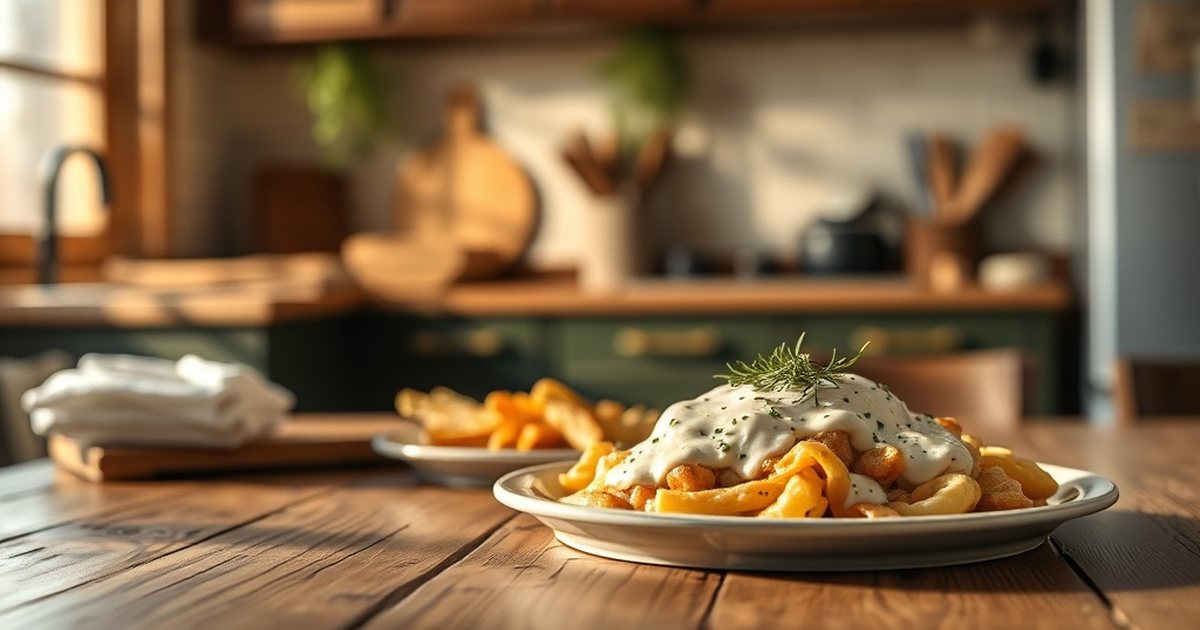
Making Olive Garden’s Alfredo sauce at home isn’t just a fun project — it’s a genuine upgrade in both value and quality. A fettuccine Alfredo entree at Olive Garden runs nearly $18, while the ingredients for this entire batch cost around $5 to $7 depending on your pantry. Beyond the savings, you control the quality: you can use real, freshly grated Parmigiano-Reggiano instead of a domestic blend, real cream, and good butter. The result is a sauce that’s often richer and more nuanced than the restaurant version, made in the time it takes to boil your pasta water.
Ingredients for Copycat Olive Garden Alfredo Sauce
Here’s the full ingredients list you’ll need to make Olive Garden Alfredo Sauce at home:
- 0.5 cup unsalted butter
- 1 cup heavy cream
- 0.5 cup whole milk
- 2 oz cream cheese
- 2 cup freshly grated Parmesan cheese
- 3 clove garlic cloves, minced
- 1 tsp salt and white pepper to taste
- 0.25 tsp ground nutmeg
A few ingredient notes:
- Always grate your own Parmesan from a block. Pre-shredded Parmesan contains cellulose and anti-caking agents that prevent it from melting smoothly, which will make your sauce grainy and broken.
- The cream cheese is the secret ingredient. It adds a subtle tang and acts as an emulsifier that keeps the sauce stable and creamy, mimicking the commercial consistency that Olive Garden achieves in large batches.
- Use heavy cream, not half-and-half or light cream. The fat content in heavy cream is what allows the sauce to reduce properly and coat the pasta the way it should — lower-fat substitutes will produce a thinner, less stable sauce.
🛒 Shop the Ingredients & Tools
As an Amazon Associate we earn from qualifying purchases.

How to Make Olive Garden Alfredo Sauce at Home
Prep: 5 min · Cook: 15 min · Makes: 4 servings
- 1. Melt the butter in a medium saucepan or skillet over medium-low heat. Add the minced garlic and cook, stirring constantly, for about 60 seconds until fragrant but not browned.
- 2. Add the cream cheese to the pan and stir with a whisk or spatula until it melts completely into the butter and garlic, forming a smooth paste, about 1 to 2 minutes.
- 3. Pour in the heavy cream and whole milk, stirring to combine. Increase the heat slightly to medium and bring the mixture to a gentle simmer, stirring frequently.
- 4. Let the cream mixture simmer for 3 to 4 minutes, stirring regularly, until it begins to thicken slightly and reduce. Do not let it boil aggressively.
- 5. Reduce the heat to low. Add the grated Parmesan cheese in two or three additions, stirring constantly after each addition and waiting for it to fully melt before adding more.
- 6. Season with salt, white pepper, and ground nutmeg. Taste and adjust seasoning as needed. The sauce should be thick enough to coat the back of a spoon.
- 7. If the sauce is too thick, add a splash of pasta cooking water or whole milk to loosen it. If it’s too thin, continue simmering on low, stirring, for another 1 to 2 minutes.
- 8. Toss immediately with freshly cooked, well-drained fettuccine and serve right away, garnishing with additional Parmesan and cracked black pepper if desired.

Tips for the Best Results
- Use freshly cooked, al dente pasta and toss it with the sauce immediately off the heat — the residual heat from the pasta will help everything come together without overcooking the sauce.
- Keep the heat low when adding Parmesan. High heat causes the proteins in the cheese to seize and clump, leading to a grainy texture instead of a silky one.
- Reserve at least half a cup of pasta cooking water before draining. The starchy water is the best tool for adjusting the sauce consistency at the end.
- For the closest match to Olive Garden’s flavor, use a 50/50 blend of Parmigiano-Reggiano and domestic Parmesan — the domestic adds a slightly saltier, more familiar sharpness that American palates associate with the restaurant.
Common Mistakes to Avoid
- Using pre-shredded Parmesan from a bag — the anti-caking coating prevents it from melting properly, resulting in a gritty, clumpy sauce instead of a smooth one.
- Turning the heat too high — Alfredo sauce breaks easily. High heat causes the cream to separate and the cheese to turn greasy and stringy rather than silky.
- Adding the Parmesan all at once — dumping all the cheese in at once overwhelms the liquid and causes it to clump. Always add it gradually in small batches, stirring completely between each addition.
- Making the sauce too far in advance — Alfredo sauce thickens dramatically as it sits and is best served immediately. If you must hold it, keep it on the lowest heat setting possible and stir in a splash of warm cream to revive it before serving.
Variations to Try
- Chicken Alfredo: Season two chicken breasts with Italian seasoning, garlic powder, salt, and pepper, then sear in a hot pan until cooked through. Slice and serve over fettuccine Alfredo for the full Olive Garden experience.
- Shrimp Alfredo: Sauté a pound of large shrimp in butter and garlic for 2 minutes per side, then serve over the finished Alfredo sauce for a lighter, seafood-forward variation.
- Asiago and Roasted Garlic Alfredo: Substitute half the Parmesan with freshly grated Asiago cheese and replace the fresh garlic with a head of roasted, squeezed garlic for a deeper, nuttier flavor profile.
Storage & Reheating
Leftover Alfredo sauce can be stored in an airtight container in the refrigerator for up to 3 days. The sauce will thicken considerably when cold — to reheat, warm it gently in a saucepan over low heat, adding a splash of whole milk or cream a little at a time while stirring constantly until it returns to a pourable, creamy consistency. Avoid microwaving at full power, as the rapid, uneven heat will cause the sauce to separate. Alfredo sauce does not freeze well, as the dairy components tend to break and turn grainy upon thawing.
What to Serve It With
Olive Garden’s Alfredo sauce is classically served over fettuccine, but it pairs beautifully with any broad, flat pasta like pappardelle or tagliatelle that can hold the rich sauce. Serve it alongside warm breadsticks, a crisp Caesar salad, or a simple arugula salad with lemon dressing to cut through the richness. It also makes an excellent base for lasagna, a dipping sauce for bread, or a topping for grilled chicken, steamed broccoli, or baked potatoes.
The Bottom Line
Olive Garden’s Alfredo Sauce is one of those dishes that feels like it should be hard to make and expensive to buy — but at home it’s neither. For about $4.13 in everyday ingredients you get 4 servings, fresh and warm, for roughly 77% less than ordering out. Make it once and it’ll join the short list of recipes you reach for without thinking. Bookmark this one, grab the ingredients, and keep an eye on CopyKitchen for more copycat favorites with the real cost to make them at home.
Frequently Asked Questions
Why does my Alfredo sauce turn out grainy?
Grainy Alfredo is almost always caused by one of two things: using pre-shredded cheese or applying too much heat. Pre-shredded cheese contains cellulose coatings that don’t melt smoothly, and high heat causes the proteins in Parmesan to seize and separate from the fat. Always grate cheese fresh from a block and keep your heat at medium-low or lower when incorporating the cheese.
Can I use half-and-half instead of heavy cream?
You can, but the sauce will be noticeably thinner and less stable. Heavy cream contains enough fat to emulsify and reduce properly, while half-and-half is more prone to breaking under heat and produces a less luxurious texture. If you want a lighter version, use a mix of half-and-half and a tablespoon of extra cream cheese to compensate for the lost fat content.
Does Olive Garden use cream cheese in their Alfredo?
Olive Garden’s exact recipe is proprietary, but food writers, former employees, and culinary analysts who have reverse-engineered the dish broadly agree that the signature creaminess and stability of their sauce comes from a cream-based enrichment that behaves like cream cheese. The cream cheese in this recipe is the best at-home approximation of that effect, providing both body and a subtle tang that matches the restaurant’s flavor closely.
Can I make this sauce ahead of time?
Alfredo sauce is best made fresh and served immediately, as it thickens significantly and can develop a skin as it sits. If you need to make it ahead, store it in an airtight container in the fridge and reheat gently with added cream, stirring constantly. For a dinner party, you can prepare all your ingredients in advance and cook the sauce while the pasta boils so everything finishes at the same time.
Why does my sauce break or turn oily?
A broken Alfredo sauce — where the fat separates and the sauce looks greasy or curdled — is usually caused by heat that was too high or by adding the cheese too quickly. If this happens, remove the pan from the heat immediately and whisk in a small splash of cold whole milk or cream vigorously. In many cases this will bring the emulsion back together. Prevention is easier than the fix: always keep the heat gentle and patient.
What pasta shape works best with this sauce?
Fettuccine is the classic choice and the one Olive Garden uses, and it’s classic for a reason — the wide, flat noodle provides maximum surface area for the thick sauce to cling to. Other great options include pappardelle, tagliatelle, and linguine. Avoid very thin pastas like angel hair, which get overwhelmed by the heavy sauce, or short tubular pastas, which don’t showcase the silkiness of Alfredo as well as long, flat shapes do.
Cost figures use US BLS Average Price Data (US city average) and are estimates for comparison; your local grocery prices and Olive Garden’s current menu price will vary. As an Amazon Associate we earn from qualifying purchases. CopyKitchen is not affiliated with, endorsed by, or sponsored by Olive Garden or any brand mentioned; this is an independent, homemade copycat recipe, and all trademarks are the property of their respective owners.