Affiliate disclosure: As an Amazon Associate we earn from qualifying purchases. CopyKitchen is reader-supported; cost and savings references are general and your local prices will vary.
IHOP has been serving their signature thin crepes alongside their famous pancakes for decades, and they’ve earned a devoted following for good reason. These delicate, paper-thin crepes arrive folded into neat quarters, topped with whipped cream and fresh fruit, and they have that perfect balance of tenderness and the faintest chew that makes you want to order a second plate before you’ve finished the first.
What most people don’t realize is that crepe batter is one of the simplest things you can make in a kitchen — flour, eggs, milk, a little butter, and about five minutes of actual effort. The ingredients are always on hand, the technique takes one or two crepes to master, and a full batch of eight costs less than a single restaurant order. Once you make them at home, going back to paying restaurant prices for three feels like a hard sell.
About IHOP’s Crepes
IHOP crepes are classic French-style thin crepes, which means no leavening agent and a much higher ratio of liquid to flour than any pancake batter. The result is a pourable, nearly watery mixture that spreads into a translucent layer across a hot pan in seconds. What comes out is something fundamentally different from a pancake — delicate, slightly crisp at the edges, soft and yielding in the center, with a clean eggy richness that doesn’t weigh you down.
The technique is where crepes live or die. You need a genuinely hot pan, a small knob of butter, and a fast wrist to swirl the batter before it sets into place. IHOP uses a flat commercial griddle with even, consistent heat across a large surface — at home, a 10-inch nonstick skillet or a dedicated crepe pan does the same job. The first crepe of every batch is universally accepted as a sacrifice to the process. It seasons the pan and calibrates the heat, and it is the cook’s reward for showing up.
Crepes: Restaurant vs. Homemade Cost
| At IHOP | Homemade (8 crepes) | You Save |
|---|---|---|
| $13.49 | $0.44 | $13.05 (97%) |
IHOP price is the approximate cost of a 3-crepe order at IHOP. Homemade cost is calculated from US average grocery prices (US BLS Average Price Data, May 2026).
Ingredient cost breakdown
| Ingredient | Amount | Cost |
|---|---|---|
| all-purpose flour | 1 cup | $0.15 |
| large eggs | 2 each | $0.37 |
| whole milk | 1.25 cup | $0.33 |
| unsalted butter, melted, plus more for the pan | 3 tbsp | $0.30 |
| granulated sugar | 1 tbsp | $0.03 |
| fine salt | 0.25 tsp | — |
| pure vanilla extract | 0.5 tsp | — |
| Total (makes 8 crepes) | $1.17 | |
Pantry staples not counted: fine salt, pure vanilla extract (negligible cost).
Nutrition (estimated per serving)
Estimated from listed ingredients using USDA FoodData Central reference values. Actual values vary with brands, portions, and preparation.
How Much Does It Cost to Make IHOP’s Crepes at Home?
A full batch makes 8 crepes for about $1.17 in ingredients — roughly $0.15 per serving. Ordering the equivalent at IHOP runs around $13.49, so making it yourself saves about $13.05 (97%). Those numbers come from current US average grocery prices (US BLS Average Price Data, May 2026), so treat them as estimates — the per-ingredient breakdown is in the table above. The savings are this large because you’re buying staple ingredients in bulk instead of paying for a prepared, served dish, and a single batch stretches across many servings.
Why Make It at Home?
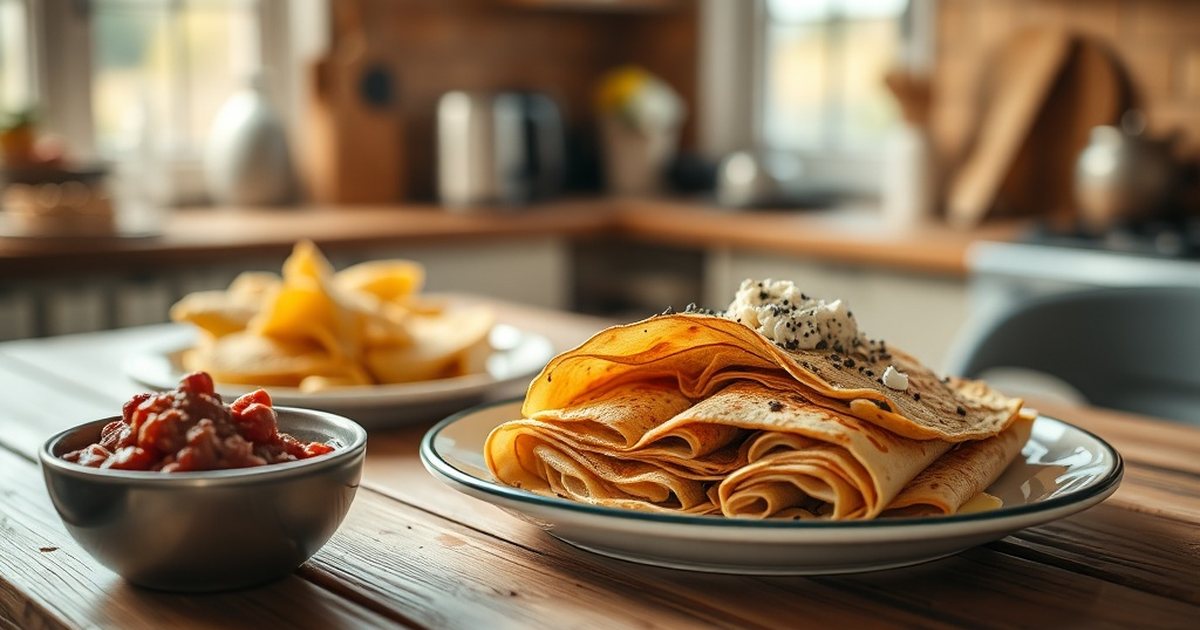
Three crepes at IHOP add up before tax and tip, and the batter that produces eight of them at home costs next to nothing in pantry staples. Beyond the cost, making crepes at home means you control the toppings entirely — fresh strawberries you sliced yourself, ripe bananas, real whipped cream, a drizzle of maple syrup, Nutella, lemon curd, or just powdered sugar and a squeeze of lemon. That kind of flexibility doesn’t exist on any restaurant menu, and the whole thing comes together in under 40 minutes including the batter rest.
Ingredients for Copycat IHOP Crepes
Here’s the full ingredients list you’ll need to make IHOP Crepes at home:
- 1 cup all-purpose flour
- 2 each large eggs
- 1.25 cup whole milk
- 3 tbsp unsalted butter, melted, plus more for the pan
- 1 tbsp granulated sugar
- 0.25 tsp fine salt
- 0.5 tsp pure vanilla extract
A few ingredient notes:
- Whole milk produces the richest, most tender crepes. Two percent works fine, but avoid skim — it makes the batter too thin and the finished crepes fragile and prone to tearing.
- Melted unsalted butter goes into the batter itself and also onto the pan between each crepe. The butter in the batter keeps the crepes from tasting lean and helps them release cleanly; the butter on the pan gives the edges their lightly golden color.
- Resting the batter for at least 30 minutes — or overnight in the refrigerator — lets the flour fully hydrate and the gluten relax. This is technically optional but makes a real, noticeable difference: the batter spreads more evenly, the crepes are more tender, and they tear less during flipping.
🛒 Shop the Ingredients & Tools
- King Arthur all purpose flour
- Granulated white sugar
- Stainless steel mixing bowls
- Half sheet baking pan
As an Amazon Associate we earn from qualifying purchases.

How to Make IHOP Crepes at Home
Prep: 10 min · Cook: 25 min · Makes: 8 crepes
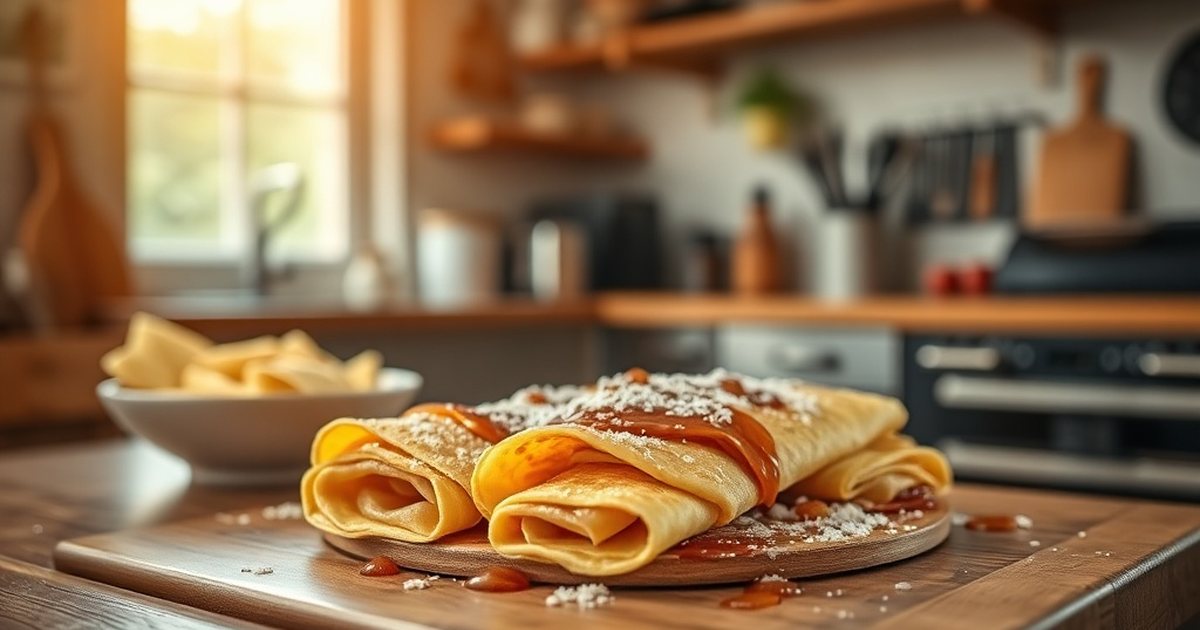
- 1. Add the flour, sugar, and salt to a blender or a medium bowl. Add the eggs, milk, and vanilla extract and blend or whisk until completely smooth with no dry pockets or lumps. Pour in the melted butter and blend for another 10 seconds to incorporate fully.
- 2. Cover the batter and let it rest at room temperature for at least 30 minutes. If making ahead, refrigerate for up to 24 hours. Before using, give it a quick whisk — the flour may have settled slightly.
- 3. Heat a 10-inch nonstick skillet or crepe pan over medium to medium-high heat until a drop of water flicked onto the surface sizzles and evaporates within two seconds. Use a folded paper towel to rub a thin layer of butter across the entire cooking surface.
- 4. Pour approximately 3 tablespoons of batter into the center of the pan. Immediately lift the pan from the burner and swirl it in a smooth, confident circular motion so the batter spreads in a thin, even round that nearly reaches the edges. Return the pan to the heat.
- 5. Cook for 60 to 90 seconds, until the edges look completely dry, are beginning to pull away from the pan, and the underside is light golden when you peek beneath with a thin spatula.
- 6. Slide the spatula fully under the crepe and flip it in one decisive motion. Cook the second side for 30 to 45 seconds until set and lightly spotted but not browned. The second side will always look spottier than the first — this is correct, and it will be the inside of the folded crepe.
- 7. Slide the finished crepe onto a plate. Lightly butter the pan and repeat with the remaining batter, stacking the crepes as they finish. They will not stick together.
- 8. Serve warm, folded into quarters or rolled into cylinders, topped with whipped cream, fresh strawberries, sliced bananas, or a dusting of powdered sugar. To keep a full batch warm, place the stacked crepes on an oven-safe plate in a 200°F oven, loosely covered with foil, while you finish cooking.
Tips for the Best Results
- The first crepe almost always fails — it calibrates the pan temperature and seasons the surface. Expect it, eat it, and move on without adjusting anything.
- If the batter seems too thick after resting, whisk in whole milk one tablespoon at a time until it runs off a spoon in a thin, steady stream. The consistency should be close to heavy cream.
- Work quickly when swirling the batter. You have roughly three seconds after it hits the pan before it starts to set. A confident, continuous wrist motion produces an even round; hesitation produces thick spots.
- Freeze leftover crepes stacked between sheets of parchment paper inside a zip-top bag. They reheat directly from frozen in a dry nonstick pan over low heat in about 60 seconds per side.
Common Mistakes to Avoid
- Skipping the batter rest. Batter that goes straight from the blender to the pan spreads unevenly and produces tougher, slightly gluey crepes. Even 20 minutes makes a difference.
- Using too much batter per crepe. Three tablespoons is the correct amount for a 10-inch pan. More batter produces something thick and pancake-adjacent rather than delicate and thin.
- Cooking on too low heat. An under-hot pan causes the batter to spread slowly and unevenly, creating thick spots and a rubbery texture throughout. The pan needs to be genuinely hot before any batter touches it.
- Flipping too early. A crepe that isn’t ready will tear the moment you touch it. Wait until the entire surface looks matte and dry and the edges are visibly pulling away from the pan before attempting to flip.
Variations to Try
- Nutella and banana: Spread a thin layer of Nutella across the warm crepe before folding, then top with sliced fresh banana and a light dusting of powdered sugar.
- Lemon and sugar: The classic French street preparation — squeeze fresh lemon juice over the hot crepe, scatter granulated sugar on top, and roll tightly into a cylinder.
- Savory ham and cheddar: Omit the sugar and vanilla from the batter entirely, then fill each crepe with thin-sliced ham and shredded cheddar. Fold and return to a low pan for 30 seconds per side until the cheese melts through.
Storage & Reheating
Stack cooled crepes between sheets of parchment or wax paper, wrap the stack tightly in plastic wrap, and refrigerate for up to 3 days or freeze for up to 2 months. To reheat from the refrigerator, place a crepe in a dry nonstick skillet over medium-low heat for about 30 seconds per side. From frozen, reheat directly in the pan over low heat for 60 seconds per side — no thawing needed. Avoid the microwave if possible, as it can make the edges rubbery.
What to Serve It With
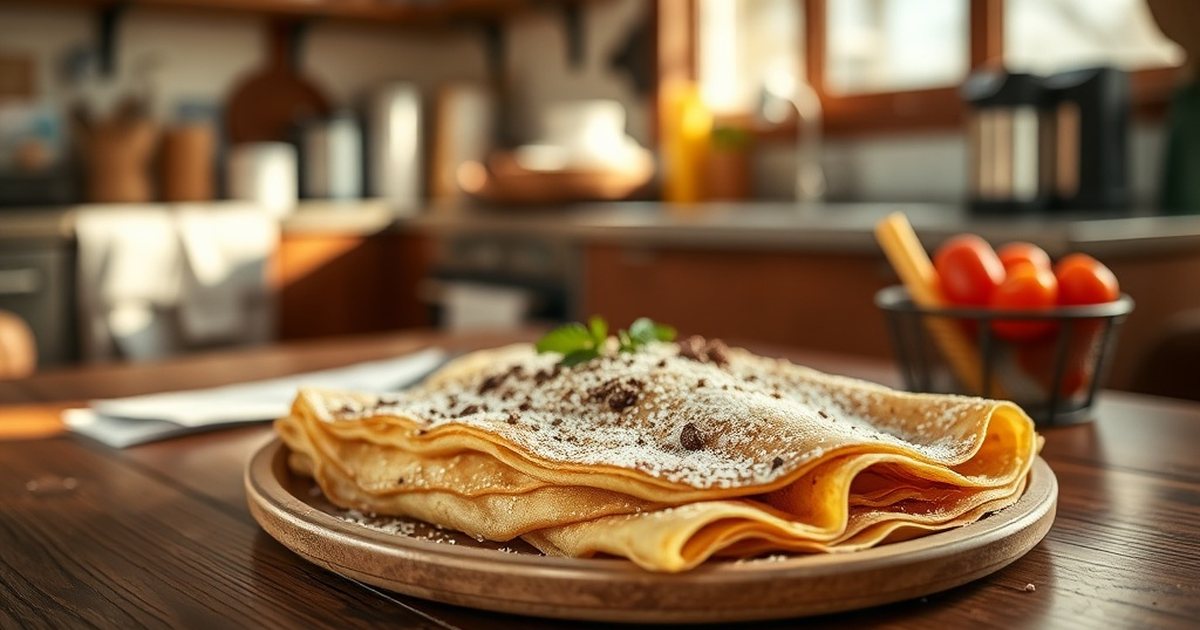
IHOP folds their crepes into quarters and serves them topped with whipped cream and fresh fruit — sliced strawberries and bananas are the classic pairing. At home, a simple dusting of powdered sugar and a squeeze of lemon is equally good and takes 10 seconds. For a full breakfast spread, serve alongside crispy bacon or breakfast sausage; the savory contrast makes the crepes taste even better. A small pitcher of warm maple syrup on the side lets everyone sweeten to their own preference.
The Bottom Line
IHOP’s Crepes is one of those dishes that feels like it should be hard to make and expensive to buy, but at home it’s neither. For about $1.17 in everyday ingredients you get 8 crepes, fresh and warm, for roughly 97% less than ordering out. Make it once and it’ll join the short list of recipes you reach for without thinking. Bookmark this one, grab the ingredients, and keep an eye on CopyKitchen for more copycat favorites with the real cost to make them at home.

Frequently Asked Questions
Do I need a special crepe pan to make these?
A dedicated crepe pan is helpful because of its low, sloped sides that make flipping easier, but it is not required. Any 10-inch nonstick skillet works well. The most important qualities are a flat, even cooking surface and a reliable nonstick coating so the delicate crepes release without tearing. Cast iron and stainless steel are significantly harder to work with for crepes because they require much more precise temperature control and seasoning.
Why do my crepes keep tearing when I flip them?
Tearing almost always happens for one of two reasons: the crepe was not yet ready to flip, or the pan was not hot enough when the batter went in. The surface of the crepe needs to look completely matte and dry — not shiny or wet anywhere — before you touch it. If the center still looks glossy, give it another 20 to 30 seconds. Also confirm your pan is at medium-high heat before adding batter; a too-cool pan produces fragile, underset crepes that fall apart on contact.
Can I make the batter ahead of time?
Yes, and it is genuinely recommended. The batter keeps in the refrigerator for up to 24 hours, and the rest period actually improves the final texture. Rested batter produces more tender crepes that spread more evenly and tear less. Give it a quick whisk before using since the flour may settle slightly overnight. This makes morning crepes much more practical — mix the batter the night before and cook fresh the next morning with almost no effort.
How do I keep a whole batch warm while I finish cooking?
Place an oven-safe plate in an oven set to 200°F and stack the finished crepes on it as they come out of the pan, loosely covered with a sheet of foil. They will stay warm and pliable for up to 30 minutes without drying out or losing their texture. Avoid stacking them without foil — the steam from the bottom crepes can make the top ones slightly soggy if left too long.
My batter has lumps in it. Will that ruin the crepes?
Small lumps mean the flour was not fully incorporated before the liquid was added. The easiest fix is to pour the batter through a fine-mesh strainer and press through any lumps with a spatula. For future batches, use a blender — 30 seconds on medium speed produces a completely smooth, lump-free batter every time. A few very small lumps that make it through the strainer will generally disappear during the rest period and won’t noticeably affect the finished crepes.
Can I make these gluten-free?
Yes. A good 1:1 gluten-free flour blend such as Bob’s Red Mill or King Arthur Measure for Measure substitutes directly into this recipe. The crepes will be slightly more delicate and prone to tearing, so adding one extra egg helps improve structure. The batter rest is especially important with gluten-free flour — give it at least 45 minutes so the alternative starches fully hydrate and the batter thickens slightly. Expect to sacrifice the first two crepes rather than one as the pan calibrates.
Cost figures use US BLS Average Price Data (US city average) and are estimates for comparison; your local grocery prices and IHOP’s current menu price will vary. As an Amazon Associate we earn from qualifying purchases. CopyKitchen is not affiliated with, endorsed by, or sponsored by IHOP or any brand mentioned; this is an independent, homemade copycat recipe, and all trademarks are the property of their respective owners.