Affiliate disclosure: As an Amazon Associate we earn from qualifying purchases. CopyKitchen is reader-supported; cost and savings references are general and your local prices will vary.
Raising Cane’s built a cult following on a genuinely radical business idea: sell one thing and make it better than anyone else. Their chicken fingers have earned devotion across the country for a reason — whole-muscle tenderloins, a shatteringly crisp golden crust, and that aggressively peppery sauce that makes the combo worth the drive-through line every time.
The good news is that this is one of the more replicable chain recipes out there. The ingredient list is short, the technique is straightforward, and the signature sauce comes together in under two minutes. At a fraction of the restaurant price, making these at home lets you feed a full table without the wait and serve them at their absolute hottest.
About Raising Cane’s’s Chicken Fingers
What separates Raising Cane’s from every other chicken finger chain starts with the chicken itself. They use whole muscle tenderloins — the long, naturally tender strips from the underside of the breast — never reformed or compressed meat. The coating is intentionally thin and light, designed to shatter rather than dough up, so the chicken does the heavy lifting on flavor and texture.
The signature Cane’s sauce is deceptively simple and deliberately heavy on black pepper — far more than feels intuitive. Mayonnaise and ketchup form the base, Worcestershire adds depth, garlic powder rounds it out, and the pepper is what makes it unmistakably Cane’s. Making it ahead and letting it rest in the refrigerator is the single most important detail for getting the flavor right.
Chicken Fingers: Restaurant vs. Homemade Cost
| At Raising Cane’s | Homemade (4 servings (3 fingers each)) | You Save |
|---|---|---|
| $42.00 | $11.72 | $30.28 (72%) |
Raising Cane’s price is the approximate cost of 4 three-finger combo meals. Homemade cost is calculated from US average grocery prices (US BLS Average Price Data, May 2026).
Ingredient cost breakdown
| Ingredient | Amount | Cost |
|---|---|---|
| chicken tenderloins | 2 lb | $8.34 |
| buttermilk | 1 cup | $0.26 |
| large eggs | 2 each | $0.37 |
| all-purpose flour | 2 cup | $0.30 |
| vegetable oil, for frying | 4 cup | $2.45 |
| mayonnaise (for sauce) | 0.5 cup | — |
| ketchup (for sauce) | 3 tbsp | — |
| Worcestershire sauce (for sauce) | 1 tsp | — |
| garlic powder, divided | 2 tsp | — |
| black pepper, divided | 1.5 tsp | — |
| kosher salt, divided | 1.5 tsp | — |
| paprika | 1 tsp | — |
| cayenne pepper | 0.25 tsp | — |
| Total (makes 4 servings (3 fingers each)) | $11.72 | |
Pantry staples not counted: mayonnaise (for sauce), ketchup (for sauce), Worcestershire sauce (for sauce), garlic powder, divided, black pepper, divided, kosher salt, divided, paprika, cayenne pepper (negligible cost).
Nutrition (estimated per serving)
Estimated from listed ingredients using USDA FoodData Central reference values. Actual values vary with brands, portions, and preparation.
How Much Does It Cost to Make Raising Cane’s’s Chicken Fingers at Home?
A full batch makes 4 servings (3 fingers each) for about $11.72 in ingredients — roughly $2.93 per serving. Ordering the equivalent at Raising Cane’s runs around $42.00, so making it yourself saves about $30.28 (72%). Those numbers come from current US average grocery prices (US BLS Average Price Data, May 2026), not estimates — the per-ingredient breakdown is in the table above. The savings are this large because you’re buying staple ingredients in bulk instead of paying for a prepared, served dish, and a single batch stretches across many servings.
Why Make It at Home?
A single three-finger combo runs close to eleven dollars at most Raising Cane’s locations, which means feeding four people costs over forty dollars before you’ve touched the tip jar. Making these at home brings that figure down to under ten dollars for the whole batch, and you get to control the oil quality, the seasoning level, and the temperature they hit the table at — which a drive-through window genuinely cannot.
Ingredients for Copycat Raising Cane’s Chicken Fingers
Here’s the full ingredients list you’ll need to make Raising Cane’s Chicken Fingers at home:
- 2 lb chicken tenderloins
- 1 cup buttermilk
- 2 each large eggs
- 2 cup all-purpose flour
- 4 cup vegetable oil, for frying
- 0.5 cup mayonnaise (for sauce)
- 3 tbsp ketchup (for sauce)
- 1 tsp Worcestershire sauce (for sauce)
- 2 tsp garlic powder, divided
- 1.5 tsp black pepper, divided
- 1.5 tsp kosher salt, divided
- 1 tsp paprika
- 0.25 tsp cayenne pepper
A few ingredient notes:
- Buy chicken tenderloins specifically rather than cutting strips from a breast. The tenderloin is a distinct muscle with more intramuscular fat and a finer grain, which is exactly why the restaurant result is so much more tender than homemade versions that use breast strips.
- If buttermilk is not available, make a quick substitute by adding one tablespoon of white vinegar or lemon juice to one cup of whole milk, stirring once, and letting it sit for five minutes until slightly thickened.
- Use Duke’s, Best Foods, or Hellmann’s for the sauce. Light mayonnaise and olive oil mayonnaise have different emulsification profiles that produce a noticeably thinner, less rich result.
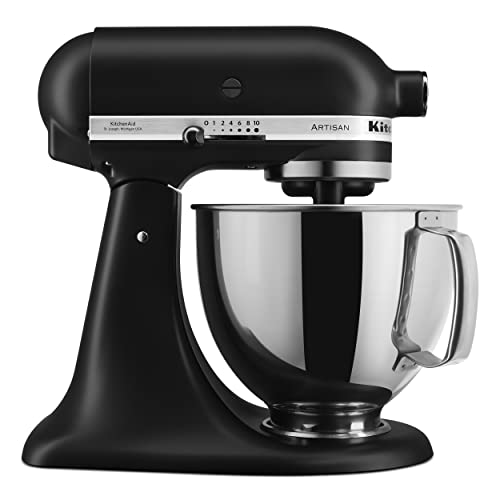
🛒 Shop the Ingredients & Tools
As an Amazon Associate we earn from qualifying purchases.

How to Make Raising Cane’s Chicken Fingers at Home
Prep: 20 min · Cook: 20 min · Makes: 4 servings (3 fingers each)
- 1. Whisk together the buttermilk, eggs, 1 teaspoon garlic powder, 1/2 teaspoon black pepper, and 1/2 teaspoon salt in a large bowl. Add the chicken tenderloins, press them under the surface, cover, and refrigerate for at least 4 hours or overnight. Do not skip this step.
- 2. Make the Cane’s sauce: stir together the mayonnaise, ketchup, Worcestershire sauce, 1/2 teaspoon black pepper, and 1/4 teaspoon garlic powder until smooth. Cover and refrigerate for at least 1 hour before serving so the flavors meld.
- 3. In a wide shallow dish, whisk together the flour, remaining 1 teaspoon salt, remaining 3/4 teaspoon black pepper, remaining 3/4 teaspoon garlic powder, paprika, and cayenne until evenly combined.
- 4. Pour vegetable oil into a heavy-bottomed Dutch oven or deep pot to a depth of 3 inches. Clip a fry thermometer to the side and heat the oil over medium-high heat to 350°F. Set a wire rack over a rimmed baking sheet nearby.
- 5. Remove tenderloins from the marinade one at a time, letting the excess drip off for a few seconds. Dredge each piece in the seasoned flour, pressing firmly on all sides so the coating fully adheres. Set on a clean plate and let rest for 5 minutes before frying.
- 6. Working in batches of 3 to 4, carefully lower tenders into the oil. Fry for 5 to 6 minutes, turning once at the halfway point, until deep golden brown and an instant-read thermometer inserted in the thickest part reads 165°F.
- 7. Transfer finished fingers to the wire rack. Allow the oil to return to 350°F before starting the next batch — this is not optional, as cool oil produces pale, greasy coating.
- 8. Serve immediately with the Cane’s sauce alongside for dipping.
Tips for the Best Results
- An overnight marinade is the ideal; the minimum of 4 hours is a floor, not a suggestion. Buttermilk needs time to tenderize the proteins fully.
- Let dredged tenders rest on a plate for 5 minutes before they hit the oil. The flour absorbs residual marinade moisture during this window and forms a more cohesive crust that does not fall off.
- The sauce is better after at least an hour of refrigeration. Make it before you do anything else so it has time to develop.
- A Dutch oven or cast iron pot holds temperature far better than a nonstick skillet. Temperature stability is what determines crust quality more than any seasoning decision.
Common Mistakes to Avoid
- Marinating for under 4 hours. The buttermilk tenderizes the meat through mild acid and enzyme action; cutting it short produces a chewier, less flavorful result that tastes like home frying instead of like Cane’s.
- Crowding the pot. Adding more than 4 tenders at once drops the oil temperature sharply, trapping steam under the coating and producing a pale, soft crust instead of a crisp one.
- Skipping the rest after dredging. Tenders dredged and fried immediately tend to shed their coating in the oil. Five minutes of resting is what bonds the flour to the wet marinade surface.
- Under-seasoning the sauce on pepper. The authentic Cane’s sauce is noticeably peppery — more than feels comfortable when you taste the sauce raw. Trust the quantity and know it mellows once served alongside the chicken.
Variations to Try
- Spicy Cane’s: add 1 teaspoon of Louisiana-style hot sauce and an extra 1/4 teaspoon cayenne to the marinade for heat that builds without masking the classic flavor profile.
- Air fryer method: spray dredged tenders generously on all sides with neutral cooking spray and cook at 400°F for 11 to 13 minutes, flipping once at the halfway point, for a lighter version with a respectable crust.
- Gluten-free version: substitute a 1:1 gluten-free all-purpose flour blend with 1/2 teaspoon xanthan gum added to the dredge; the texture is slightly more dense but holds up well through frying.
Storage & Reheating
Leftover chicken fingers keep in an airtight container in the refrigerator for up to 3 days. Reheat in a 400°F oven or air fryer for 6 to 8 minutes until the exterior is fully crisp again; the microwave makes the coating soft and steamed, which is worth avoiding entirely. The Cane’s sauce keeps refrigerated in a sealed jar for up to one week and does not need to be brought to room temperature before serving.
What to Serve It With
Serve alongside crinkle-cut fries, a simple creamy coleslaw, and thick-sliced Texas toast buttered and grilled in a skillet to complete the full Raising Cane’s experience. The sauce works equally well as a fry dip. For a lighter plate, serve the fingers over chopped romaine with the sauce thinned with a small squeeze of lemon juice as a dressing.
The Bottom Line
Raising Cane’s’s Chicken Fingers is one of those dishes that feels like it should be hard to make and expensive to buy — but at home it’s neither. For about $11.72 in everyday ingredients you get 4 servings (3 fingers each), fresh and warm, for roughly 72% less than ordering out. Make it once and it’ll join the short list of recipes you reach for without thinking. Bookmark this one, grab the ingredients, and keep an eye on CopyKitchen for more copycat favorites with the real cost to make them at home.

Frequently Asked Questions
What cut of chicken does Raising Cane’s use?
Raising Cane’s uses whole muscle chicken tenderloins, which are the long, naturally tender strips of meat on the underside of each chicken breast. They are never reformed or processed. Buying tenderloins separately at the grocery store is the single most impactful thing you can do to replicate the texture at home; breast strips cut yourself are thicker, less uniform, and lack the same tenderness.
Does Raising Cane’s marinate their chicken?
Yes. The chain has confirmed marinating is part of their process, though the exact formulation is proprietary. Buttermilk and egg is the basis that produces the right texture in copycat testing — the mild acidity of buttermilk breaks down surface proteins slightly, resulting in a more tender bite and better coating adhesion. Some versions include a small amount of hot sauce in the marinade, which adds background complexity without detectable heat.
What is Cane’s sauce actually made of?
The official recipe is a trade secret, but the components that emerge from reverse engineering consistently are mayonnaise, ketchup, Worcestershire sauce, garlic powder, and a generous amount of cracked black pepper — more than seems reasonable until you taste it alongside the chicken. The key insight is that the pepper quantity should feel aggressive when you taste the sauce alone; it calibrates properly once paired with the fried chicken and fries.
Can I bake these instead of frying?
You can bake them at 425°F for 18 to 20 minutes, flipping once at the midpoint, after spraying the dredged tenders thoroughly with cooking spray. The result is edible but noticeably different — the crust will be softer, more matte, and less shatteringly crisp than the fried version. An air fryer bridges the gap more effectively than a conventional oven and is the best substitute if you want to avoid deep frying.
Why does my coating keep sliding off in the oil?
The most common causes are insufficient marinade time, tenders that are still very wet when dredged, and skipping the five-minute rest after dredging. Each plays a role: the marinade builds the tacky surface the flour bonds to, shaking off excess liquid before dredging prevents the coating from becoming pasty, and resting allows the flour to hydrate and form a cohesive shell rather than a loose dust layer that separates in hot oil.
Can I make the sauce ahead of time?
Yes, and you should. The sauce tastes noticeably better after at least one hour in the refrigerator and reaches its best flavor after four or more hours. The resting time allows the garlic powder to bloom, the Worcestershire to integrate, and the pepper to distribute evenly throughout. Making it the night before is a genuine improvement over making it right before you fry the chicken.
Cost figures use US BLS Average Price Data (US city average) and are estimates for comparison; your local grocery prices and Raising Cane’s’s current menu price will vary. As an Amazon Associate we earn from qualifying purchases. CopyKitchen is not affiliated with, endorsed by, or sponsored by Raising Cane’s or any brand mentioned; this is an independent, homemade copycat recipe, and all trademarks are the property of their respective owners.