Affiliate disclosure: As an Amazon Associate we earn from qualifying purchases. CopyKitchen is reader-supported; cost and savings references are general and your local prices will vary.
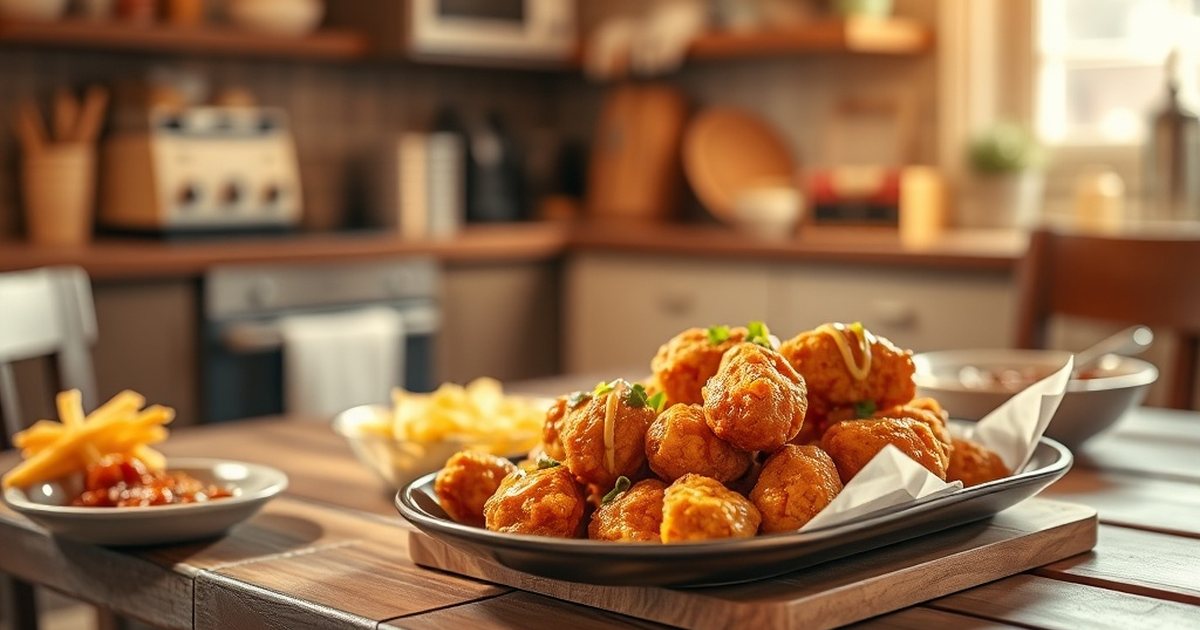
Panda Express Orange Chicken is the chain’s undisputed signature dish, accounting for a remarkable share of everything the company serves on any given day. The formula is deceptively simple: bite-sized pieces of chicken are coated in a light batter, fried until shatteringly crisp, then tossed in a glossy sauce that balances sweet orange, a tang of vinegar, and a gentle heat from red pepper. It is the dish that turned a fast-food chain into a cultural institution.
Making it at home costs a fraction of a restaurant run and takes roughly 45 minutes from mise en place to table. A single batch yields four generous portions for around the price of one Panda plate, and you control every variable — the sweetness level, the heat, and most importantly, the crispiness. No reheating, no soggy takeout bags.
About Panda Express’s Orange Chicken
What separates Orange Chicken from a generic sweet-and-sour dish is the sauce’s layering of flavor. The base is orange juice and zest working together — juice for volume and sweetness, zest for the sharp aromatic citrus punch that juice alone cannot deliver. Brown sugar adds molasses depth rather than flat sweetness, rice wine vinegar keeps the whole thing from tipping into candy territory, and soy sauce provides savory backbone. The result is sticky, glossy, and intensely fragrant without being cloying.
The batter technique is equally important. A blend of all-purpose flour and cornstarch — roughly 60 to 40 — creates a coating that fries up much crispier than flour alone. The cornstarch inhibits gluten development and produces a lighter, more shatter-prone crust that holds its texture even after being tossed in the hot sauce. Chicken thighs, not breasts, are the correct choice: their higher fat content keeps the meat juicy through the heat of frying and the additional heat of the sauce-tossing step.
Orange Chicken: Restaurant vs. Homemade Cost
| At Panda Express | Homemade (4 servings) | You Save |
|---|---|---|
| $40.00 | $7.91 | $32.09 (80%) |
Panda Express price is the approximate cost of 4 comparable single-entree plate orders. Homemade cost is calculated from US average grocery prices (US BLS Average Price Data, May 2026).
Ingredient cost breakdown
| Ingredient | Amount | Cost |
|---|---|---|
| boneless skinless chicken thighs, cut into 1-inch pieces | 2 lb | $3.57 |
| large eggs, beaten | 2 each | $0.37 |
| all-purpose flour | 0.75 cup | $0.11 |
| cornstarch, divided (6 tbsp for batter, 2 tbsp for slurry) | 0.5 cup | — |
| vegetable oil, for deep frying | 4 cup | $2.45 |
| fresh orange juice | 0.5 cup | $1.24 |
| brown sugar, packed | 0.333 cup | $0.17 |
| soy sauce | 3 tbsp | — |
| rice wine vinegar | 2 tbsp | — |
| fresh orange zest | 1 tbsp | — |
| garlic cloves, minced | 3 clove | — |
| fresh ginger, grated | 1 tsp | — |
| toasted sesame oil | 1 tsp | — |
| crushed red pepper flakes | 0.5 tsp | — |
| salt and white pepper, to taste | 1 tsp | — |
| Total (makes 4 servings) | $7.91 | |
Pantry staples not counted: cornstarch, divided (6 tbsp for batter, 2 tbsp for slurry), soy sauce, rice wine vinegar, fresh orange zest, garlic cloves, minced, fresh ginger, grated, toasted sesame oil, crushed red pepper flakes, salt and white pepper, to taste (negligible cost).
Nutrition (estimated per serving)
Estimated from listed ingredients using USDA FoodData Central reference values. Actual values vary with brands, portions, and preparation.
How Much Does It Cost to Make Panda Express’s Orange Chicken at Home?
A full batch makes 4 servings for about $7.91 in ingredients — roughly $1.98 per serving. Ordering the equivalent at Panda Express runs around $40.00, so making it yourself saves about $32.09 (80%). Those numbers come from current US average grocery prices (US BLS Average Price Data, May 2026), not estimates — the per-ingredient breakdown is in the table above. The savings are this large because you’re buying staple ingredients in bulk instead of paying for a prepared, served dish, and a single batch stretches across many servings.
Why Make It at Home?
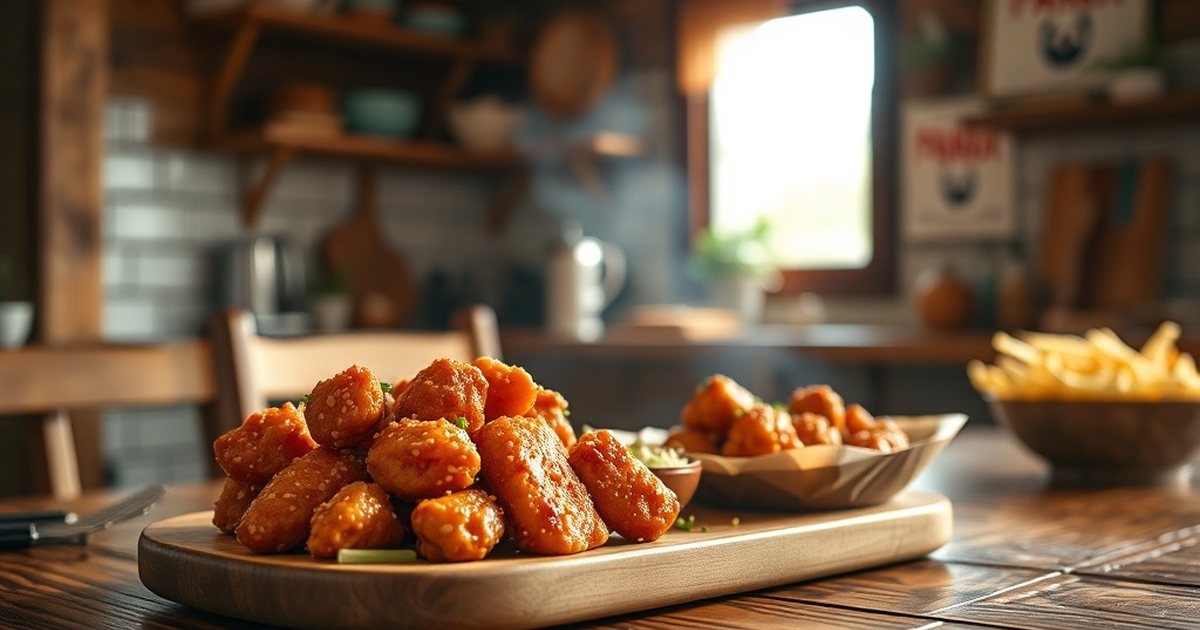
Beyond the obvious cost savings — roughly 70 percent less per serving — making Orange Chicken at home gives you something the restaurant cannot: peak crispiness at the moment of eating. Restaurant orange chicken travels in a steam-filled bag and often arrives with a softened crust. At home, you fry the chicken, toss it in sauce, and serve immediately. You can also tune the sauce to your own palate, cut the sugar by a third for a less sweet version, or add chili garlic paste to push the heat well past what Panda Express offers its mainstream audience.
Ingredients for Copycat Panda Express Orange Chicken
Here’s the full ingredients list you’ll need to make Panda Express Orange Chicken at home:
- 2 lb boneless skinless chicken thighs, cut into 1-inch pieces
- 2 each large eggs, beaten
- 0.75 cup all-purpose flour
- 0.5 cup cornstarch, divided (6 tbsp for batter, 2 tbsp for slurry)
- 4 cup vegetable oil, for deep frying
- 0.5 cup fresh orange juice
- 0.333 cup brown sugar, packed
- 3 tbsp soy sauce
- 2 tbsp rice wine vinegar
- 1 tbsp fresh orange zest
- 3 clove garlic cloves, minced
- 1 tsp fresh ginger, grated
- 1 tsp toasted sesame oil
- 0.5 tsp crushed red pepper flakes
- 1 tsp salt and white pepper, to taste
A few ingredient notes:
- Use fresh orange juice and zest from the same orange if possible. Bottled juice works in a pinch, but it lacks the brightness of fresh and often adds sugar that throws off the sauce balance.
- Chicken thighs are non-negotiable for texture. Breast meat dries out rapidly at frying temperatures and turns rubbery when hit with a second round of high heat in the sauce. Thighs forgive you.
- Toasted sesame oil goes in at the sauce stage, never into the frying oil. It has a very low smoke point and its aromatic compounds burn off under high heat. A small amount stirred into the sauce provides an authentic finishing note.
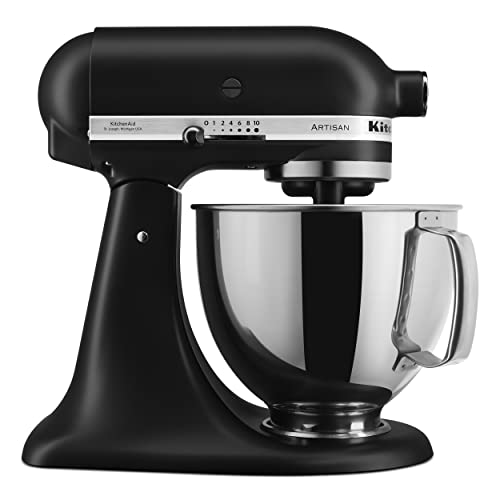
🛒 Shop the Ingredients & Tools
As an Amazon Associate we earn from qualifying purchases.

How to Make Panda Express Orange Chicken at Home
Prep: 20 min · Cook: 25 min · Makes: 4 servings
- 1. Cut the chicken thighs into 1-inch pieces and pat every surface dry with paper towels. Season lightly with salt and white pepper. Dry chicken is non-negotiable — surface moisture breaks the bond between meat and batter.
- 2. Set up a breading station: beaten eggs in one shallow bowl, flour and 6 tablespoons of the cornstarch combined in a second bowl. Working in batches, dip each chicken piece in the egg, let the excess drip off, then dredge in the flour-cornstarch mixture and press gently to adhere.
- 3. Whisk together the orange juice, brown sugar, soy sauce, rice wine vinegar, sesame oil, orange zest, and red pepper flakes in a bowl until the sugar dissolves. In a small separate bowl, stir the remaining 2 tablespoons of cornstarch with 2 tablespoons of cold water to make a smooth slurry. Set both aside.
- 4. Heat the vegetable oil in a large wok or heavy-bottomed pot over medium-high heat until it reaches 350°F on an instant-read thermometer. Working in batches of 8 to 10 pieces, fry the chicken for 3 to 4 minutes, turning once, until deep golden and the internal temperature reaches 165°F on an instant-read thermometer, the USDA safe minimum for poultry. Do not crowd the pot.
- 5. Transfer fried chicken to a wire rack set over a baking sheet, not paper towels, so air circulates and the crust stays crisp. Allow the oil to return to 350°F between batches.
- 6. Carefully pour off all but about 1 tablespoon of oil from the wok. Over medium-high heat, add the minced garlic and grated ginger and cook, stirring constantly, for 30 seconds until fragrant but not browned.
- 7. Pour in the orange sauce mixture and bring to a simmer. Stir in the cornstarch slurry and cook, stirring, for 1 to 2 minutes until the sauce thickens to a glossy, spoon-coating consistency.
- 8. Add all the fried chicken to the wok and toss vigorously to coat every piece. Cook for 30 seconds more to heat through. Serve immediately over steamed white rice.
Tips for the Best Results
- Rest the battered chicken on a wire rack for 5 minutes before frying. This lets the coating hydrate and adhere more firmly, reducing the chance of it sliding off in the oil.
- Maintain oil temperature between 350 and 375°F throughout the frying process. A clip-on thermometer removes all guesswork and is the single biggest quality lever in this recipe.
- Make the sauce up to five days ahead and refrigerate it. The flavors meld and deepen considerably overnight, and having it ready turns a weeknight dinner into a 20-minute project.
- If you want extra crunch, double-fry the chicken: fry at 325°F for 3 minutes, rest for 2 minutes, then fry again at 375°F for 90 seconds. This is the restaurant trick for crust that holds up under sauce.
Common Mistakes to Avoid
- Not drying the chicken before battering. Wet chicken creates steam during frying that lifts the batter off the meat. Pat every piece dry, even if it seems tedious.
- Crowding the frying pot. Too many pieces at once drops the oil temperature dramatically, leading to oil-soaked, pale chicken instead of crispy golden pieces. Fry in small batches every time.
- Using bottled orange juice with added sweeteners. The sauce’s balance depends on the natural acidity of real orange juice. Sweetened juice pushes the dish into an overly cloying register that no amount of vinegar fully corrects.
- Letting the sauced chicken sit before serving. Orange Chicken has a narrow window of peak texture — roughly 3 to 5 minutes after being tossed in sauce. After that, the crust absorbs moisture and softens. Toss and serve immediately.
Variations to Try
- Air fryer version: Spray the battered chicken generously with cooking spray and air fry at 400°F for 12 to 14 minutes, flipping halfway, then toss in the sauce as written. The crust is lighter than deep-fried but impressively crisp.
- Extra-spicy orange chicken: Double the red pepper flakes and add 1 teaspoon of sambal oelek or chili garlic paste directly to the sauce. It becomes a genuinely spicy dish rather than a mildly warm one.
- Cauliflower orange chicken: Substitute 1.5 pounds of cauliflower florets for the chicken and follow the identical batter-and-fry method. The florets hold batter well and absorb the sauce beautifully — a legitimate vegetarian main.
Storage & Reheating
Leftover orange chicken keeps in an airtight container in the refrigerator for up to 3 days. To reheat with some crust intact, spread the pieces in a single layer on a baking sheet and warm at 375°F for 8 to 10 minutes. The microwave is fast but kills whatever crispiness remains, leaving the chicken chewy and wet. If you anticipate leftovers, store the sauce separately and toss the fried chicken in freshly warmed sauce at serving time.
What to Serve It With
Serve over steamed jasmine rice or plain white rice, which absorbs the extra sauce that pools at the bottom of the dish. Chow mein or lo mein noodles replicate the Panda Express plate experience more closely. A quick stir-fry of broccoli florets or snap peas alongside cuts through the richness of the sauce and rounds the meal into something nutritionally complete. Sliced scallions and a sprinkle of toasted sesame seeds over the top add color and a faint nuttiness.
The Bottom Line
Panda Express’s Orange Chicken is one of those dishes that feels like it should be hard to make and expensive to buy — but at home it’s neither. For about $7.91 in everyday ingredients you get 4 servings, fresh and warm, for roughly 80% less than ordering out. Make it once and it’ll join the short list of recipes you reach for without thinking. Bookmark this one, grab the ingredients, and keep an eye on CopyKitchen for more copycat favorites with the real cost to make them at home.

Frequently Asked Questions
Can I use chicken breast instead of thighs?
You can, but expect noticeably drier results. Chicken breast has less intramuscular fat, which means it dries out quickly at frying temperatures and toughens further when hit with the heat of the sauce step. If breast is your only option, cut the pieces slightly larger than 1 inch to create more insulation, and reduce frying time by about 30 seconds to avoid overcooking.
What makes Panda Express orange chicken sauce taste different from other versions?
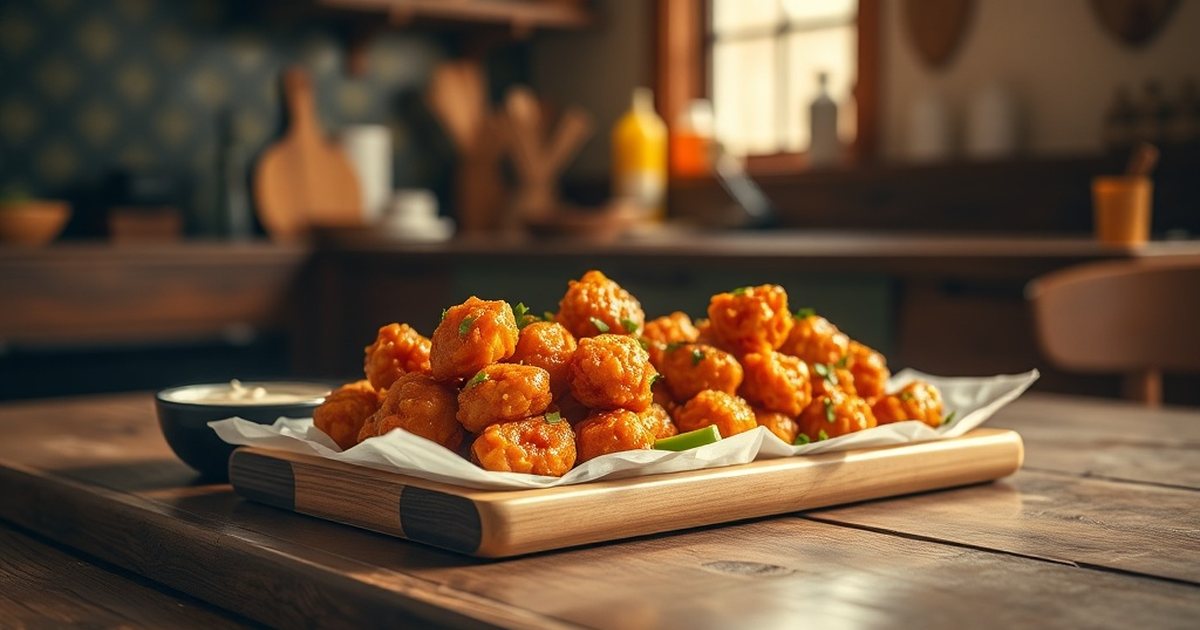
Panda’s sauce is intentionally sweeter and stickier than most restaurant orange sauces, leaning heavily on brown sugar and a relatively mild heat profile. The use of both orange juice and orange zest is key — juice provides volume and a round sweetness, while zest delivers sharp aromatic citrus that cuts through the sugar. The soy sauce and rice vinegar keep it from reading as pure candy by adding salt and acidity.
Why does my batter keep falling off in the oil?
Almost always two causes: wet chicken and cool oil. Moisture trapped under the batter turns to steam and pushes the coating off the meat. Pat pieces aggressively dry before battering. Second, if the oil is below 350°F when the chicken goes in, the batter absorbs oil and slips off rather than setting instantly into a crust. Get the thermometer reading before each batch.
Can I make this gluten-free?
Yes, with straightforward substitutions. Replace the all-purpose flour with rice flour or a certified gluten-free 1:1 baking blend, and swap soy sauce for tamari. Rice flour actually produces a lighter, crispier crust than wheat flour in this application, so the gluten-free version is arguably better in texture. Everything else in the recipe is naturally gluten-free.
How do I fix a sauce that is too thick or too thin?
The cornstarch slurry is the control mechanism. If the sauce over-thickens after the slurry goes in, add orange juice or water one tablespoon at a time, stirring over heat until it loosens to your target consistency. If the sauce is too thin after a full minute of simmering, mix an additional teaspoon of cornstarch with a teaspoon of cold water and stir it in, then cook for another 30 seconds. The correct consistency coats the back of a spoon and clings to the chicken without pooling heavily.
Is it actually worth making at home versus just going to Panda Express?
On cost, unambiguously yes — a full batch costs roughly a third of what four comparable Panda plates would run. On quality, the gap is meaningful: you fry and serve at peak crispiness, whereas restaurant orange chicken typically arrives partially softened. The bigger argument for home cooking is control — you can reduce the sugar, increase the citrus, push the heat further, or swap to thighs from a better source. The only thing Panda Express has over this recipe is the 90-second drive-through.
Cost figures use US BLS Average Price Data (US city average) and are estimates for comparison; your local grocery prices and Panda Express’s current menu price will vary. As an Amazon Associate we earn from qualifying purchases. CopyKitchen is not affiliated with, endorsed by, or sponsored by Panda Express or any brand mentioned; this is an independent, homemade copycat recipe, and all trademarks are the property of their respective owners.