Affiliate disclosure: As an Amazon Associate we earn from qualifying purchases. CopyKitchen is reader-supported; cost and savings references are general and your local prices will vary.
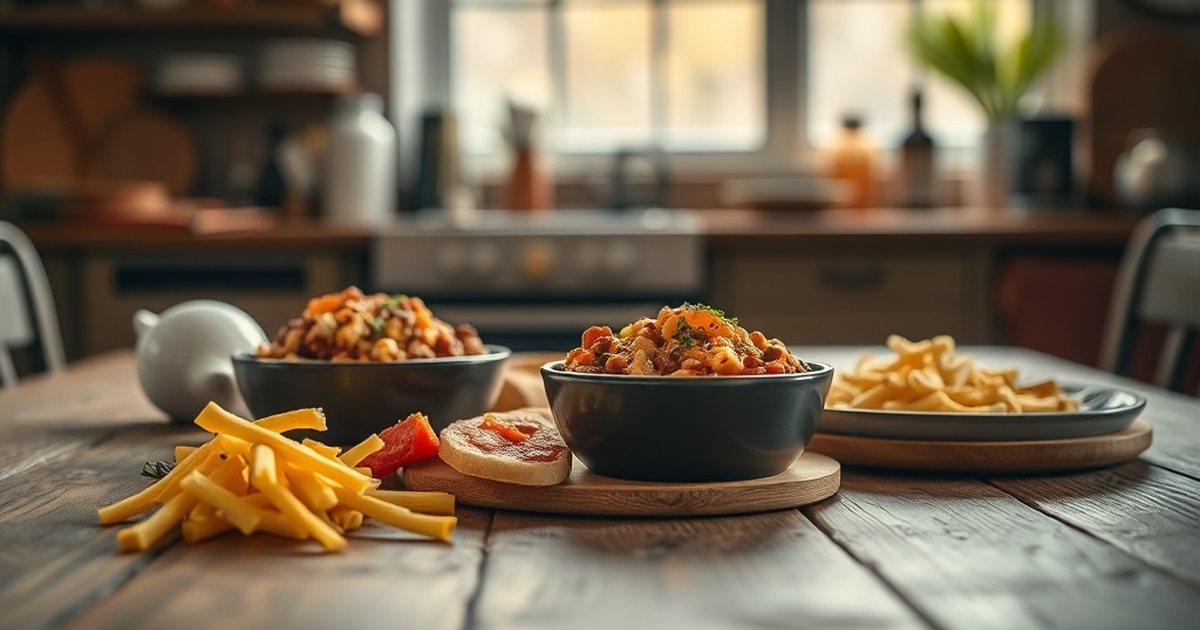
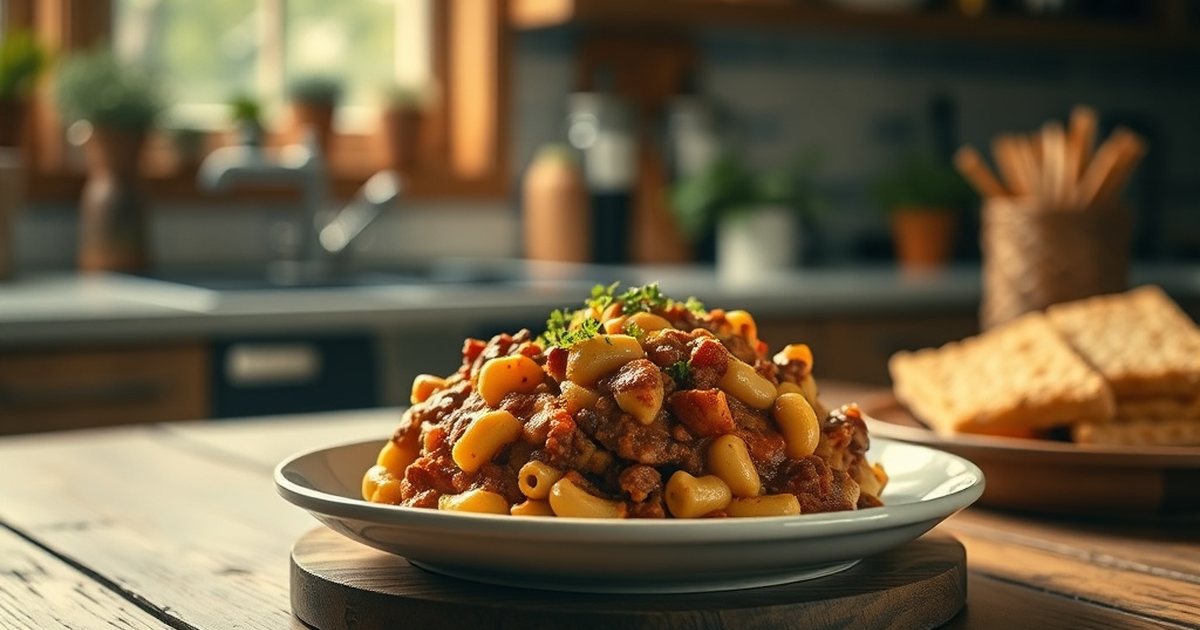
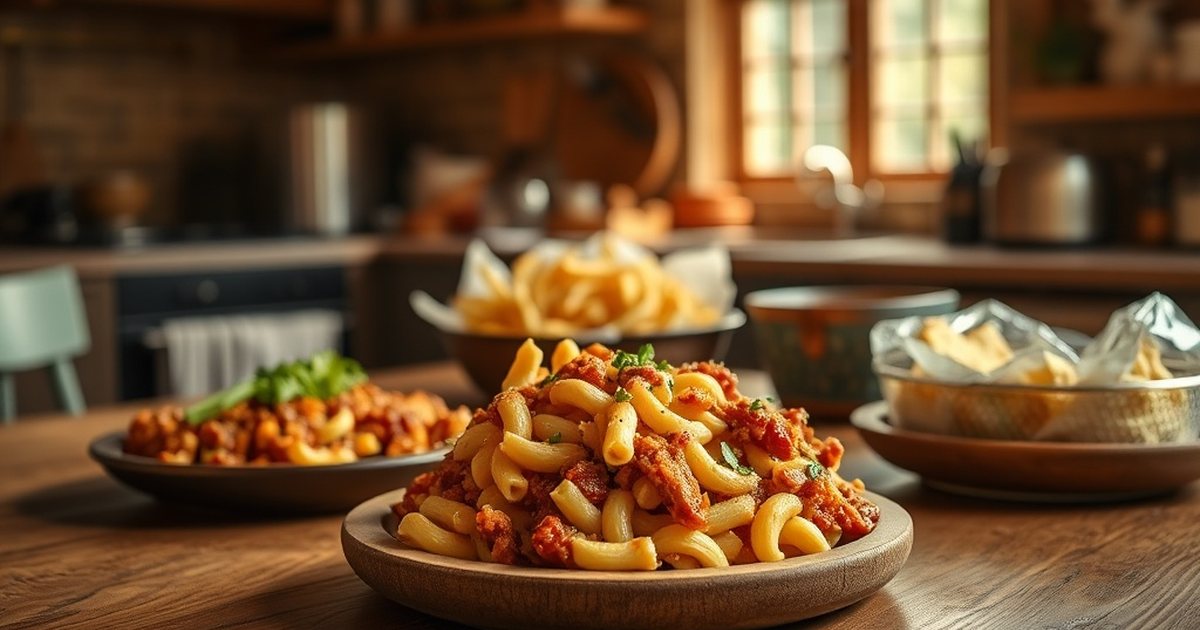
Chili’s Mac and Cheese is one of those dishes that earns a permanent spot in the rotation the first time you order it. The sauce is thick, velvety, and rich without being heavy, coating every curve of tender elbow macaroni in a way that feels indulgent but still approachable. It shows up on the kids’ menu, but plenty of adults order it without apology — and for good reason.
This copycat version recreates that signature creaminess by combining sharp cheddar for depth of flavor with American cheese for the smooth, stable melt that defines the restaurant version. A simple roux-based sauce built with whole milk handles the structure, and the whole thing comes together in about 30 minutes with ingredients you can find at any grocery store for a fraction of what you’d spend eating out.
About Chili’s’s Mac and Cheese
What sets Chili’s Mac and Cheese apart from a basic stovetop version is the texture of the cheese sauce. It’s silky rather than gloppy, stable rather than oily, and it clings to each piece of pasta instead of pooling at the bottom of the bowl. That consistency comes from two sources: the cheese blend and the technique. American cheese contains emulsifying salts that keep dairy fats and proteins locked together even as the sauce cools, which is exactly why fast casual restaurants rely on it.
The base is a classic roux — butter cooked with flour until it smells faintly nutty — which provides the thickening backbone before milk is whisked in gradually. Once the sauce is smooth and lightly simmering, the cheeses go in off the heat. This step is critical: adding cheese to an actively boiling sauce causes the proteins to tighten and the fat to separate, producing a grainy, broken result. Pulling the pan from the burner first gives the residual heat enough time to melt everything smoothly without crossing that threshold.
Mac and Cheese: Restaurant vs. Homemade Cost
| At Chili’s | Homemade (4 servings) | You Save |
|---|---|---|
| $23.96 | $5.52 | $18.44 (77%) |
Chili’s price is the approximate cost of 4 orders at Chili’s. Homemade cost is calculated from US average grocery prices (US BLS Average Price Data, May 2026).
Ingredient cost breakdown
| Ingredient | Amount | Cost |
|---|---|---|
| elbow macaroni | 8 oz | $0.69 |
| unsalted butter | 3 tbsp | $0.30 |
| all-purpose flour | 3 tbsp | $0.03 |
| whole milk | 2.5 cup | $0.66 |
| sharp cheddar cheese, freshly shredded | 6 oz | $2.13 |
| American cheese, roughly chopped | 6 oz | $1.71 |
| kosher salt, plus more for pasta water | 1 tsp | — |
| freshly ground black pepper | 0.25 tsp | — |
| dry mustard powder | 0.5 tsp | — |
| garlic powder | 0.25 tsp | — |
| Total (makes 4 servings) | $5.52 | |
Pantry staples not counted: kosher salt, plus more for pasta water, freshly ground black pepper, dry mustard powder, garlic powder (negligible cost).
Nutrition (estimated per serving)
Estimated from listed ingredients using USDA FoodData Central reference values. Actual values vary with brands, portions, and preparation.
How Much Does It Cost to Make Chili’s’s Mac and Cheese at Home?
A full batch makes 4 servings for about $5.52 in ingredients — roughly $1.38 per serving. Ordering the equivalent at Chili’s runs around $23.96, so making it yourself saves about $18.44 (77%). Those numbers come from current US average grocery prices (US BLS Average Price Data, May 2026), not estimates — the per-ingredient breakdown is in the table above. The savings are this large because you’re buying staple ingredients in bulk instead of paying for a prepared, served dish, and a single batch stretches across many servings.
Why Make It at Home?
A restaurant order of Chili’s Mac and Cheese runs close to $6 per serving, which adds up fast for a family. Making this recipe at home costs well under $8 total for four generous portions — roughly $2 per serving — and the quality is genuinely comparable. You also get to control what goes in it: better cheddar, real American cheese from the deli counter instead of processed singles, and seasoning adjusted exactly to your taste. It’s the kind of dish where the homemade version can actually be better than the original.
Ingredients for Copycat Chili’s Mac and Cheese
Here’s the full ingredients list you’ll need to make Chili’s Mac and Cheese at home:
- 8 oz elbow macaroni
- 3 tbsp unsalted butter
- 3 tbsp all-purpose flour
- 2.5 cup whole milk
- 6 oz sharp cheddar cheese, freshly shredded
- 6 oz American cheese, roughly chopped
- 1 tsp kosher salt, plus more for pasta water
- 0.25 tsp freshly ground black pepper
- 0.5 tsp dry mustard powder
- 0.25 tsp garlic powder
A few ingredient notes:
- Shred the cheddar yourself from a block. Pre-shredded cheddar is coated in cellulose and starch to prevent clumping in the bag, but those coatings resist melting cleanly and can leave your sauce with a grainy or uneven texture.
- Deli-sliced American cheese performs noticeably better than individually wrapped processed singles. Brands like Land O’Lakes or Boar’s Head have higher dairy content and melt into a silkier sauce. Ask for it sliced thick at the deli counter and roughly chop it before adding.
- Whole milk is the right call for this recipe. Lower-fat milk produces a thinner sauce that’s more prone to separating, and the richness of whole milk is what gives the finished dish that creamy, coating quality you’re trying to replicate.
🛒 Shop the Ingredients & Tools
- Spaghetti pasta
- King Arthur all purpose flour
- Shredded sharp cheddar cheese
- Stainless steel mixing bowls
- Half sheet baking pan
As an Amazon Associate we earn from qualifying purchases.


How to Make Chili’s Mac and Cheese at Home
Prep: 10 min · Cook: 20 min · Makes: 4 servings
- 1. Bring a large pot of heavily salted water to a boil. Cook the elbow macaroni until just al dente — about 1 minute less than the package suggests. Before draining, reserve 1/2 cup of the starchy pasta water. Drain the pasta and set aside.
- 2. In a medium saucepan over medium heat, melt the butter. Once it foams, add the flour and whisk constantly for 1 to 2 minutes until the mixture smells faintly nutty and turns a pale golden color. Do not let it brown.
- 3. Slowly pour in the whole milk while whisking constantly. Add it in a thin, steady stream at first to prevent lumps, then pour the rest in more freely once the roux is fully incorporated.
- 4. Raise the heat slightly and cook the sauce, whisking frequently, for 5 to 7 minutes until it thickens enough to coat the back of a spoon and holds a line when you drag your finger through it.
- 5. Reduce heat to low. Whisk in the dry mustard, garlic powder, salt, and black pepper.
- 6. Remove the pan from heat. Add the American cheese and stir until fully melted and smooth. Add the shredded cheddar in two additions, stirring after each until completely incorporated. The sauce should be glossy and velvety.
- 7. Add the drained macaroni to the cheese sauce and stir to coat evenly. If the sauce is thicker than you’d like, stir in reserved pasta water one tablespoon at a time until you reach the right consistency.
- 8. Taste and adjust seasoning, then serve immediately in warm bowls.
Tips for the Best Results
- Always take the pan off the heat before adding your cheeses. The residual heat is enough to melt them smoothly; an actively simmering sauce will cause the proteins to seize and the fat to separate.
- Reserve pasta water before you drain. The starchy water is the best tool for loosening a thick cheese sauce — it thins the consistency without watering down the flavor.
- Salt your pasta water heavily. It should taste like mild seawater. This is your only opportunity to season the pasta from the inside, and properly salted pasta makes a noticeable difference in the final dish.
- Warm your bowls before serving by filling them with hot tap water for a minute, then emptying and drying them. Mac and cheese tightens quickly as it cools, and a warm bowl gives you the best texture window to enjoy it.
Common Mistakes to Avoid
- Adding the cheese while the sauce is still bubbling. Heat above a gentle simmer causes cheese proteins to tighten and fat to separate, turning what should be a silky sauce into a greasy, grainy one. Remove from heat first, every time.
- Using pre-shredded cheese from a bag. The anti-caking coatings don’t melt cleanly and can leave the sauce with a gritty or slightly chalky texture. Block cheese that you shred yourself melts far more evenly.
- Skipping the roux and going straight to a melted cheese sauce. Without a proper thickening base, the sauce won’t cling to the pasta and tends to break into an oily puddle as it sits.
- Cooking the pasta to full doneness before combining. The pasta keeps cooking when it hits the hot cheese sauce, so pulling it a minute early is essential. Overcooked macaroni turns mushy and won’t hold its shape in the finished dish.
Variations to Try
- Bacon Mac: Stir in 4 strips of crumbled crispy bacon right before serving and top with an extra pinch of shredded cheddar for a smokier, more substantial version that works well as a main.
- Spicy Mac: Add 1/4 teaspoon cayenne pepper and a small dash of hot sauce to the cheese sauce along with the other seasonings. The heat cuts through the richness without overwhelming the dish.
- Broccoli Mac: Fold in 1 cup of small blanched broccoli florets when you combine the pasta and sauce. It adds texture and color and mirrors a popular Chili’s add-on that makes the dish feel slightly more complete as a meal.
Storage & Reheating
Transfer leftover mac and cheese to an airtight container and refrigerate for up to 4 days. The sauce will thicken considerably as it chills. To reheat on the stovetop, add about 2 tablespoons of milk per serving and warm over low heat, stirring frequently until the sauce loosens and turns creamy again. For microwave reheating, use 50 percent power and stir every 30 seconds to prevent the cheese from breaking or drying out around the edges.
What to Serve It With
Chili’s Mac and Cheese works equally well as a main dish for kids or a rich side for adults. Pair it alongside grilled or roasted chicken, a simple green salad, or steamed broccoli for a balanced weeknight meal. For casual entertaining, it fits naturally on a barbecue spread next to pulled pork, ribs, or grilled sausages — the creamy sauce is a good counterpoint to anything smoky or spiced.
The Bottom Line
Chili’s’s Mac and Cheese is one of those dishes that feels like it should be hard to make and expensive to buy — but at home it’s neither. For about $5.52 in everyday ingredients you get 4 servings, fresh and warm, for roughly 77% less than ordering out. Make it once and it’ll join the short list of recipes you reach for without thinking. Bookmark this one, grab the ingredients, and keep an eye on CopyKitchen for more copycat favorites with the real cost to make them at home.
Frequently Asked Questions
Can I make this ahead of time?
Yes, but the best approach is to store the sauce and pasta separately and combine them just before reheating. When stored together, the pasta continues to absorb the sauce and the reheated result can be dry or gummy. If they’re already combined, add a generous splash of milk and reheat over low heat, stirring until the sauce comes back to life.
Why did my cheese sauce turn out grainy?
Graininess almost always comes from one of two things: adding cheese to sauce that’s still too hot, or using pre-shredded cheese coated in anti-caking agents. Always remove the pan from heat before adding the cheeses, and shred your cheddar fresh from a block. If the sauce does break, whisking in a teaspoon of lemon juice or a small splash of warm milk off the heat can sometimes pull it back together.
Can I substitute a different pasta shape?
Elbow macaroni is traditional, but cavatappi, medium shells, or penne all work well. Look for shapes with some surface area, ridges, or hollows that give the sauce something to cling to. Long pasta like spaghetti or linguine doesn’t hold a thick cheese sauce the same way and will result in the sauce pooling at the bottom of the bowl.
Is American cheese actually necessary?
It plays a functional role beyond just flavor. American cheese contains emulsifying salts that keep the dairy fats and proteins bonded together, which is what makes the sauce smooth, stable, and slow to separate. An all-cheddar sauce is far more likely to turn grainy or oily. If you want to avoid it, 2 ounces of cream cheese can provide similar stability, though the flavor profile will shift slightly toward tangy.
How do I know when the roux is done?
The roux is ready when it looks uniformly smooth, smells faintly nutty, and has turned a pale straw color — typically after 1 to 2 minutes over medium heat. You want to cook it long enough to eliminate the raw flour taste but not so long that it starts to brown, which would change the color of your finished sauce and add a toasted flavor that doesn’t belong here.
Can I double the recipe for a crowd?
Yes, it scales up easily. Use a larger saucepan to give yourself room to whisk comfortably, and expect the sauce to take an extra 2 to 3 minutes to thicken since you’re working with more volume. Keep additional pasta water on hand to adjust the final consistency, and taste for seasoning again after combining everything — a larger batch often needs a bit more salt.
Cost figures use US BLS Average Price Data (US city average) and are estimates for comparison; your local grocery prices and Chili’s’s current menu price will vary. As an Amazon Associate we earn from qualifying purchases. CopyKitchen is not affiliated with, endorsed by, or sponsored by Chili’s or any brand mentioned; this is an independent, homemade copycat recipe, and all trademarks are the property of their respective owners.