Ever stare at a menu, imagine the taste, and then remember the bill that comes with it? You don’t have to give up the dishes you love just because they’re pricey. By breaking down the components of a restaurant plate and recreating them with a few smart shortcuts, you can enjoy the same flavor profile without the overhead of service, rent, and mark‑ups.
This guide shows you how to think like a restaurant chef, calculate the right portions, and stock a versatile pantry. The result is a set of copycat recipes that taste familiar, stretch farther, and leave you with extra meals for the week—all while keeping the cost well below what you’d pay at a table.
Key Takeaways
- Calculate restaurant portion sizes and match them at home to avoid over‑cooking.
- Batch‑cook sauces, spice mixes, and proteins; freeze portions for future meals.
- Keep a core pantry of inexpensive, versatile ingredients to build flavor quickly.
- Use simple restaurant tricks—acid, umami, texture—to elevate home dishes.
- Shop strategically: buy whole proteins, use sales, and choose store brands for pantry items.
- Plan a weekly menu that reuses each bulk component in at least two different meals.
Understanding Where the Savings Come From
Restaurants charge for more than the raw ingredients. Labor, utilities, décor, and the profit margin all add up. When you cook at home you eliminate those overhead costs entirely. The biggest savings come from buying ingredients in bulk, using less expensive cuts of meat, and reusing components across multiple dishes.
A practical way to see the difference is to list the ingredients for a favorite dish, note the per‑unit cost at your grocery store, and compare that to the menu price. You’ll often find the ingredient cost is only a small fraction of the restaurant charge. The rest is the business model, not the food itself.
Portion Math: Matching Restaurant Serving Sizes
Restaurants typically serve a single portion that looks generous but is calibrated to be cost‑effective. To replicate that at home, start by measuring the weight of a restaurant portion if you can (many menus list calories or you can ask the staff). Then, weigh out the same amount of your homemade version. This practice prevents you from over‑producing and keeps your cost per plate low.
If you prefer larger servings, simply double the base recipe and split the batch. The extra portion can be stored for later, turning a single dinner into two meals without extra cooking time. Consistent portioning also helps you track how much you’re actually saving per bite.

Batch Cooking and Freezing for Consistency
Many restaurant dishes rely on sauces, spice mixes, or cooked proteins that can be made in bulk. Prepare a large batch of a core component—like a tomato‑based sauce, a curry paste, or a seasoned ground‑meat mixture—once a week. Portion it into individual containers, label with the date, and freeze. When a craving strikes, you only need to reheat and finish the dish with fresh garnish or a quick side.
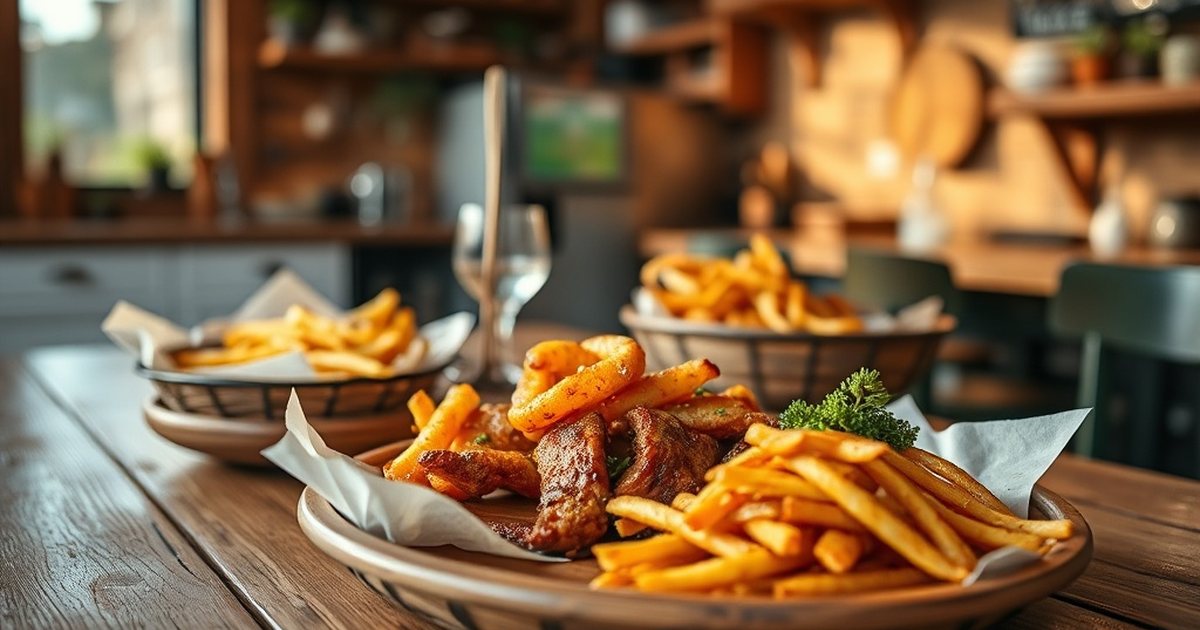
Batch cooking also smooths out the cost curve. Buying a whole bag of onions or a bulk pack of chicken thighs is cheaper per pound than purchasing the same amount in small packages over several weeks. The freezer becomes your pantry, letting you pull out restaurant‑style meals whenever you want without a trip to the store.
Pantry Staples That Bridge the Gap
A well‑stocked pantry is the foundation of any copycat kitchen. Keep versatile items on hand: dried beans, lentils, rice, pasta, canned tomatoes, broth, soy sauce, Worcestershire sauce, and a range of dried herbs and spices. These ingredients can be combined in countless ways to mimic the flavor bases used in Italian, Asian, Mexican, and American comfort foods.
Invest in a few quality tools—like a good chef’s knife, a heavy skillet, and a reliable blender or food processor. With the right tools, you can achieve the texture and caramelization that give restaurant dishes their signature bite, all without spending extra on specialty equipment.

Copycat Techniques: Flavor Without the Price Tag
Restaurants often cheat with flavor enhancers: a splash of acid, a dab of umami, or a quick char. Replicate these tricks at home. Finish a steak with a squeeze of fresh lemon, a dash of flaky sea salt, and a quick sear in a hot pan. Add a spoonful of miso or a drizzle of balsamic reduction to a sauce for depth that would otherwise require expensive ingredients.
Don’t overlook the power of texture. Toasted nuts, crisped shallots, or a quick broil can add crunch that makes a simple dish feel restaurant‑grade. These small steps cost very little but dramatically raise the perceived value of your home‑cooked plate.
Smart Shopping: Where to Cut Costs Without Cutting Taste
Shop the perimeter of the grocery store for fresh produce, meat, and dairy—these are usually the highest‑quality items. For pantry items, compare the unit price of store brands versus name brands; the flavor difference is often negligible for sauces and spices. Take advantage of weekly sales on proteins you can freeze, and consider ethnic markets for affordable spices and specialty sauces.
Another tip: buy whole items and break them down yourself. A whole chicken roasted and then shredded can provide meat for multiple meals, from a classic chicken salad to a spicy taco filling. Whole vegetables, like carrots or cabbage, are cheaper per pound than pre‑cut versions, and they store longer.
Putting It All Together: A Sample Weekly Plan
Monday: Make a large pot of marinara using canned tomatoes, garlic, onion, and dried oregano. Portion for spaghetti night and freeze half for a later pizza night.
Tuesday: Cook a batch of seasoned ground turkey with soy sauce, ginger, and a touch of brown sugar. Use half for lettuce‑wrap tacos, the rest for a quick fried rice.
Wednesday: Roast a whole chicken with lemon and herbs. Use the meat for a chicken Caesar salad and save the carcass for broth.
Thursday: Prepare a lentil‑based curry using pantry spices and coconut milk. Serve with rice and freeze leftovers.
Friday: Assemble a copycat burger using the ground turkey mixture, toasted brioche buns, and a quick homemade aioli. Pair with oven‑roasted sweet‑potato wedges.
Weekend: Use any remaining sauces or proteins to create a “leftover night”—think a loaded nacho platter or a hearty soup. The key is that each component was bought once, cooked in bulk, and repurposed across several meals.
See the numbers: browse our full cost comparison table to see exactly how much each copycat recipe costs to make at home versus the restaurant price.
Frequently Asked Questions
Do I need fancy equipment to make restaurant‑style food?
No. A sharp knife, a heavy skillet, and a basic blender or food processor are enough. The techniques matter more than high‑end gadgets.
How do I know how much sauce to make for a batch?
Start with a standard recipe (e.g., 2 cups of sauce for 4 servings) and scale up based on how many meals you plan. Measure the sauce you use for one restaurant‑style dish, then multiply that amount.
Can I use cheaper cuts of meat and still get a good result?
Absolutely. Slow cooking, marinating, or adding a little fat (like butter or oil) can turn a tougher cut into a tender, flavorful protein that mimics pricier options.
What’s the best way to store homemade sauces?
Cool the sauce quickly, then transfer to airtight containers. Store in the refrigerator for up to a week or freeze for up to three months. Label with the date so you use the oldest first.
Is it worth buying spices in bulk?
Yes, especially for staples you use often (cumin, paprika, dried herbs). Bulk spices cost less per ounce and keep your pantry ready for any copycat recipe.
How can I keep meals from getting boring when I reuse the same components?
Change the final assembly: the same seasoned ground meat can become tacos, a stir‑fry, or a meat‑sauce for pasta. Swap herbs, sauces, or cooking methods to create distinct flavor profiles.
CopyKitchen is reader-supported. As an Amazon Associate we earn from qualifying purchases. Cost and savings references are general; your local prices will vary.